Top Signs Your HVAC System Needs Repair
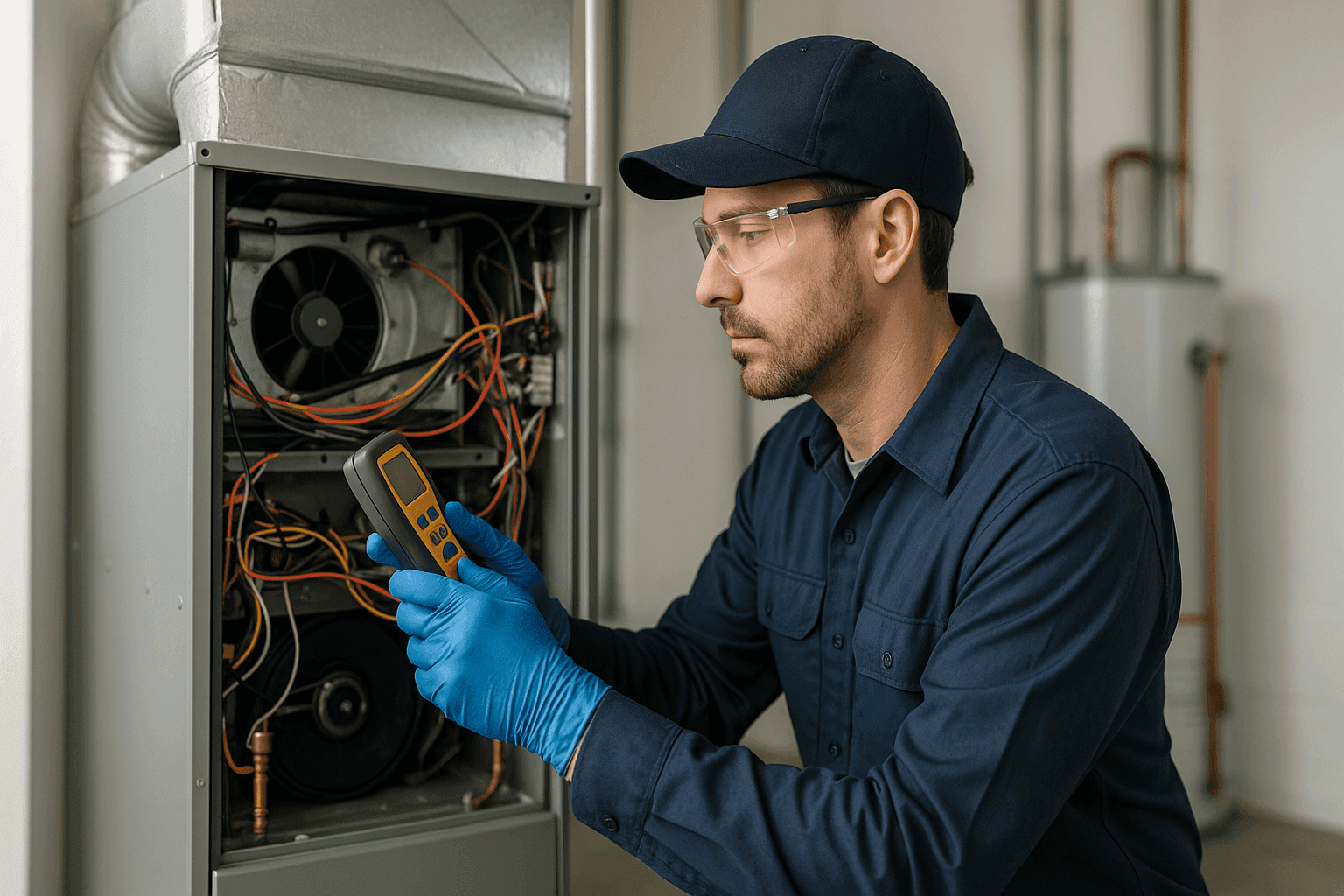
Is your home feeling stuffy, drafty, or just off lately? Maybe your office’s heating is more moody than reliable. When your HVAC system whispers—or shouts—for help, ignoring it is never the answer.
At GOGO Heating, we know the difference between a chilly inconvenience and a sign of real trouble. Let’s walk through the most common signals your heating and cooling system needs attention. Early action can mean the difference between a quick fix and a full-blown breakdown.
Warning Signs of HVAC Trouble 🛑
Your HVAC system is the heart and lungs of your space. When it’s struggling, you’ll notice. But not all signs are obvious—some creep up quietly, like a draft under a door.
Unusual Noises, Odors, or Poor Airflow
- Banging, rattling, or screeching: These aren’t just quirks. Odd noises can point to loose parts, worn bearings, or debris in your ductwork.
- Burning or musty smells: A whiff of burning dust when you first switch on the heat is normal. Persistent burning, chemical, or musty odors? That’s a red flag. Smells could mean electrical issues, mold in ducts, or overheating components.
- Weak or uneven airflow: If certain rooms feel like wind tunnels while others are stuffy, your system isn’t balancing air correctly. Dirty filters, blocked vents, or ailing blowers might be to blame.
Ignoring these signs? That’s like driving with your check engine light on.
Inconsistent Temperatures
- Hot and cold spots: Walking from room to room shouldn’t feel like a trip through the seasons. Temperature swings mean your system is struggling to keep up.
- Thermostat troubles: Constantly fiddling with the thermostat and never finding the right setting? Your device may be faulty, or your system could be short cycling (turning on and off too often).
Both residential and commercial spaces depend on steady comfort. Don’t settle for less.
Higher Energy Bills
- Unexplained spikes: Did your heating bill jump, even though your usage habits haven’t changed? An inefficient system or clogged filter could be forcing your HVAC to work harder—and costing you more.
- Short cycling: If your system is running in frequent, brief bursts, it burns through more energy. This often signals a deeper problem, such as a failing compressor or thermostat.
High bills aren’t just a budgeting headache—they’re a symptom. Treat the cause, not just the effect.
When DIY Fixes Aren't Enough
- Quick fixes fizzle: You changed the filter, checked the thermostat, and cleared the vents. But the problem lingers. That means it’s time for a professional eye.
- Safety risks: Smelling gas, noticing electrical issues, or seeing water pooling around your system? These are not DIY moments—call in a pro immediately.
Your safety and comfort come first. Don’t gamble with heating repairs when signs escalate.
Quick Safety Checklist
Before you reach for the toolbox, run through this list:
- Is the power to your HVAC system off before you inspect anything?
- Are any electrical panels or wires exposed?
- Do you smell gas or a sharp burning odor?
- Is water leaking or pooling near the unit?
- Are your smoke and carbon monoxide detectors working?
If you answer yes to any of the above, stop. Call a certified HVAC technician. The U.S. Consumer Product Safety Commission recommends immediate action for any potential gas or electrical issue.
DIY vs. Call a Pro
Some HVAC hiccups are safe to tackle. Others, not so much.
Safe DIY tasks:
- Replace or clean air filters monthly.
- Check that vents and returns aren’t blocked by furniture or dust.
- Set your thermostat to the right mode (heat or cool, as needed).
- Gently vacuum accessible grills or registers.
Call a professional for:
- Electrical problems, tripped breakers, or flickering lights.
- Persistent odors (burning, chemical, musty).
- Strange noises (grinding, banging, whistling).
- Water leaks or excessive condensation.
- System won’t turn on, or shuts itself off repeatedly.
For anything beyond the basics, call GOGO Heating. Our team handles everything from Thermostats near you to full system diagnostics.
What Pros Do On Arrival
When you schedule HVAC repair, here’s what a good technician will do:
- Inspect system components: Blowers, coils, belts, filters, and safety controls.
- Test airflow and temperature balance: Ensuring every room gets proper heating or cooling.
- Check for leaks: Whether it’s refrigerant, water, or gas, finding leaks early prevents bigger hazards.
- Review thermostat accuracy: Sometimes, the issue is as simple as a faulty sensor or bad wiring.
- Assess energy usage: Spotting inefficiencies that drive up costs.
- Confirm code compliance: Following local and national guidelines, like those from the International Mechanical Code (IMC).
Your comfort, safety, and system longevity all depend on a thorough, professional approach.
Prevention & Maintenance
Want to avoid surprise repairs? Regular maintenance is your secret weapon.
- Schedule annual tune-ups: Just like a car, your HVAC system needs regular checks. A pro will clean components, test safety systems, and spot small issues before they grow.
- Replace filters often: Dirty filters block airflow and strain your system. Most homes need a new filter every 1–3 months.
- Keep vents clear: Don’t let dust, debris, or furniture block registers and returns.
- Monitor humidity: High or low humidity can stress your system and create comfort problems. Consider humidifiers or dehumidifiers for balanced air.
The Environmental Protection Agency (EPA) recommends professional indoor air quality (IAQ) testing if you suspect mold, allergens, or persistent odors.
Costs & Time Factors
How much will HVAC repair cost? It depends on the problem.
- Minor fixes: Replacing a thermostat, cleaning ducts, or swapping a filter can be quick and budget-friendly.
- Complex repairs: Blower motors, circuit boards, or refrigerant leaks take more time and skill.
- Emergency repairs: After-hours calls or extensive damage may add to overall costs.
Most repairs can be handled in a single visit, but specialty parts or custom sheet metal work may take longer. Investing in regular maintenance often cuts down on surprise expenses.
When It’s an Emergency
Some HVAC problems can’t wait. If you experience any of the following, call for help right away:
- No heat during freezing weather, or no cooling during dangerous heatwaves.
- Strong gas odors or suspected carbon monoxide leaks.
- Electrical sparks, smoke, or burning smells.
- Rapidly rising indoor humidity or unexplained water leaks.
These situations can threaten your health, safety, or property. GOGO Heating offers 24 hour emergency service for urgent heating and cooling repairs.
FAQ
How often should I replace my HVAC filter?
Most filters should be replaced every 1–3 months. If you have pets, allergies, or run your system often, check it monthly.
Why are some rooms always hotter or colder?
This could be due to poor air balancing, blocked ducts, or a failing blower. Schedule a professional assessment to restore even comfort.
Is it safe to run my HVAC if it’s making noise?
Unusual noises are a warning. Running your system could cause further damage. Shut it off and call a technician.
Can I handle thermostat repairs myself?
Simple battery swaps or setting adjustments are fine. For wiring or sensor issues, leave it to a pro—incorrect repairs risk system damage or safety hazards.
Local/Seasonal Considerations
HVAC systems face unique challenges with each season. In winter, heating failures can freeze pipes and make indoor spaces unlivable. Summer brings sweltering days that put air conditioners under heavy stress. Both residential homes and commercial buildings in our area need reliable systems year-round.
If you’re searching for HVAC Repair near Raymore, Missouri, GOGO Heating is ready to help—no matter the season.
Noticing any of these warning signs? Don’t wait for a comfort crisis. Call GOGO Heating now — or reach us anytime at 844-467-0847 .