Ultimate Guide to Furnace Repair: What Every Homeowner Needs to Know
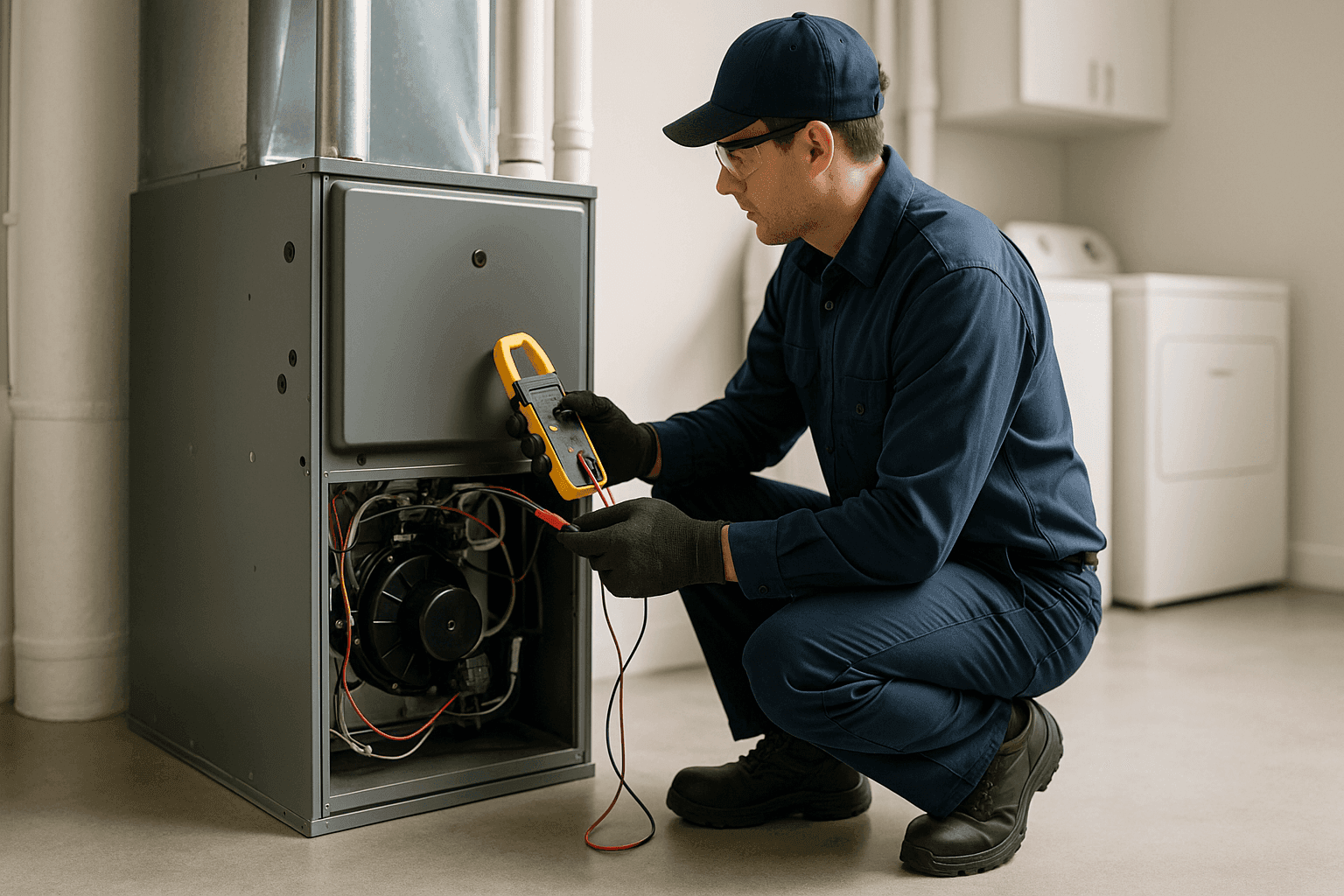
Stuck in a cold house when your furnace gives out? That sinking feeling is all too familiar for New Hampshire homeowners — and it can hit fast. Whether you’re in the middle of a sudden freeze or just trying to boost comfort, knowing what’s wrong (and what to do) can save more than just your toes.
At GOGO Heating, we’ve seen every furnace scenario imaginable. We’re here to help you figure out what’s happening, take practical action, and know when it’s time to get professional help. Your safety, comfort, and code compliance are always the priority.
Common Furnace Problems and Symptoms 🔥
Furnace acting up? The symptoms are often clues. Here are the most common issues that send homeowners searching for “furnace repair near me.”
No Heat
- Furnace won’t turn on at all
- Thermostat is set correctly, but the house stays cold
- Blower runs, but no warm air
If your furnace is silent when it should be roaring, you’re not alone. Power issues, safety switches, or even a tripped breaker could be at play.
Blowing Cold Air
- Furnace is running, but only cold air comes from the vents
- Thermostat seems to work, but comfort is gone
This could be as simple as a thermostat setting — or as complex as a failed ignitor or pilot assembly. Sometimes, your system is trying to protect itself from further damage.
Strange Noises
- Rattling, banging, or whistling sounds
- Metal-on-metal, squealing belts, or grinding motors
Odd noises are your furnace’s way of crying for help. Loose components, clogged burners, or worn bearings may be to blame. Ignore these sounds and small problems become big repairs.
Step-by-Step Troubleshooting Checklist 🧰
Before you call for help, there are a few safe steps you can take. Always start with safety. If you ever smell gas, see smoke, or suspect an electrical issue — stop and call a professional immediately.
Checking Filters
- Find your furnace filter (usually near the blower compartment).
- Hold it up to the light. If you can’t see through it, it’s time to replace.
- Dirty filters choke airflow, causing overheating and shutdowns.
Pilot Light or Ignition System
- For older models: check the pilot light window. Is it lit?
- If out, follow the manufacturer’s instructions to relight — or call for help.
- Modern furnaces use electronic ignition. If you hear rapid clicking but no flame, ignition may have failed.
Thermostat Settings
- Double-check the thermostat is set to “HEAT” and above room temperature.
- Replace old batteries (if applicable).
- Make sure no schedules or settings are overriding your manual selection.
If none of these steps bring warmth back, it’s time to dig deeper — or call in a pro.
When to DIY vs. Call a Pro
Some fixes are within reach for handy homeowners. Others? Not worth the risk.
DIY-Friendly:
- Changing filters
- Resetting tripped breakers
- Changing thermostat batteries
Call a Professional If:
- Gas smell is present (evacuate immediately and call emergency services)
- Electrical issues (sparks, shorts, repeated breaker trips)
- Furnace cycles on and off rapidly (short cycling)
- You hear banging, grinding, or unusual noises
- No improvement after basic troubleshooting
Remember: Modern furnaces are complex and covered by strict safety codes (see National Fire Protection Association and local building codes). Attempting repairs beyond your comfort level can void warranties or create dangerous situations.
Preventative Tips to Avoid Breakdowns 🛠️
A well-maintained furnace is like a car that always starts on the coldest morning. Here’s how to keep yours humming:
- Replace filters every 1–3 months (or as manufacturer suggests)
- Schedule annual heating maintenance with a certified technician
- Keep vents and registers clear of furniture or drapes
- Listen for new noises and address them early
- Test your thermostat at the start of each heating season
- Check carbon monoxide detectors and replace batteries regularly
Professional heating maintenance will catch small problems before they grow. Plus, it helps keep your system efficient — saving energy and money.
What Pros Do On Arrival
When you call GOGO Heating or search for “furnace repair near me,” here’s what a qualified technician will do:
- Inspect the entire heating system (not just the furnace)
- Check electrical connections, safety switches, and ignition components
- Test for proper airflow and combustion
- Measure temperature rise and system efficiency
- Verify code compliance and manufacturer guidelines
- Provide clear, actionable recommendations
Our focus is always on safety and long-term reliability. No shortcuts. No guesswork.
Costs & Time Factors
Wondering what to expect? Furnace repair costs and timelines depend on several factors:
- Type of repair: Simple fixes (filters, thermostats) are fast. Major parts (blower motors, heat exchangers) take longer.
- System age: Older units may have hard-to-find parts.
- Emergency service: After-hours or holidays may cost more, but sometimes it can’t wait.
- Diagnosis time: Most repairs take 1–3 hours, but complex issues can stretch longer.
We provide clear estimates and keep you informed every step of the way.
When It’s an Emergency 🚨
Some furnace problems can’t wait:
- No heat during freezing weather (risk of frozen pipes or unsafe conditions)
- Gas smell or suspected leak (evacuate and call for help immediately)
- Visible smoke or burning odor
- Carbon monoxide detector alert
If you’re facing any of these, don’t delay. Call for 24 hour emergency service right away. Your safety is our top priority.
FAQ
Q: How often should I schedule furnace maintenance?
A: At least once a year, preferably before the heating season begins. This keeps your system safe, efficient, and compliant with warranty requirements.
Q: Why does my furnace keep shutting off?
A: Short cycling is often caused by dirty filters, faulty thermostats, or overheating due to airflow problems. If basic troubleshooting doesn’t help, call a technician.
Q: Is it safe to run my furnace if it’s making noise?
A: Unusual noises can be a sign of loose parts or failing components. It’s best to shut off the furnace and have it checked to avoid further damage.
Q: Can I install a new thermostat myself?
A: Many homeowners can replace basic thermostats, but for smart thermostats near you or advanced controls, it’s best to have a professional handle installation and wiring.
Local & Seasonal Considerations
Winters in New Hampshire are unforgiving. Don’t wait until the first frost to check your system. Schedule a tune-up before the cold arrives, and remember — older homes may have unique ductwork or airflow quirks.
For those searching for Furnace Repair near me in Dover, New Hampshire, we know the local building codes, fuel types, and climate challenges that affect your system.
Closing Thoughts
A troublesome furnace doesn’t have to spell disaster. With the right information, a little DIY confidence, and help from GOGO Heating when you need it, your home or business will stay warm and safe all season.
Call GOGO Heating now — or reach us anytime at 844-467-0847 .