How to Choose the Right Thermostat for Your Home or Office
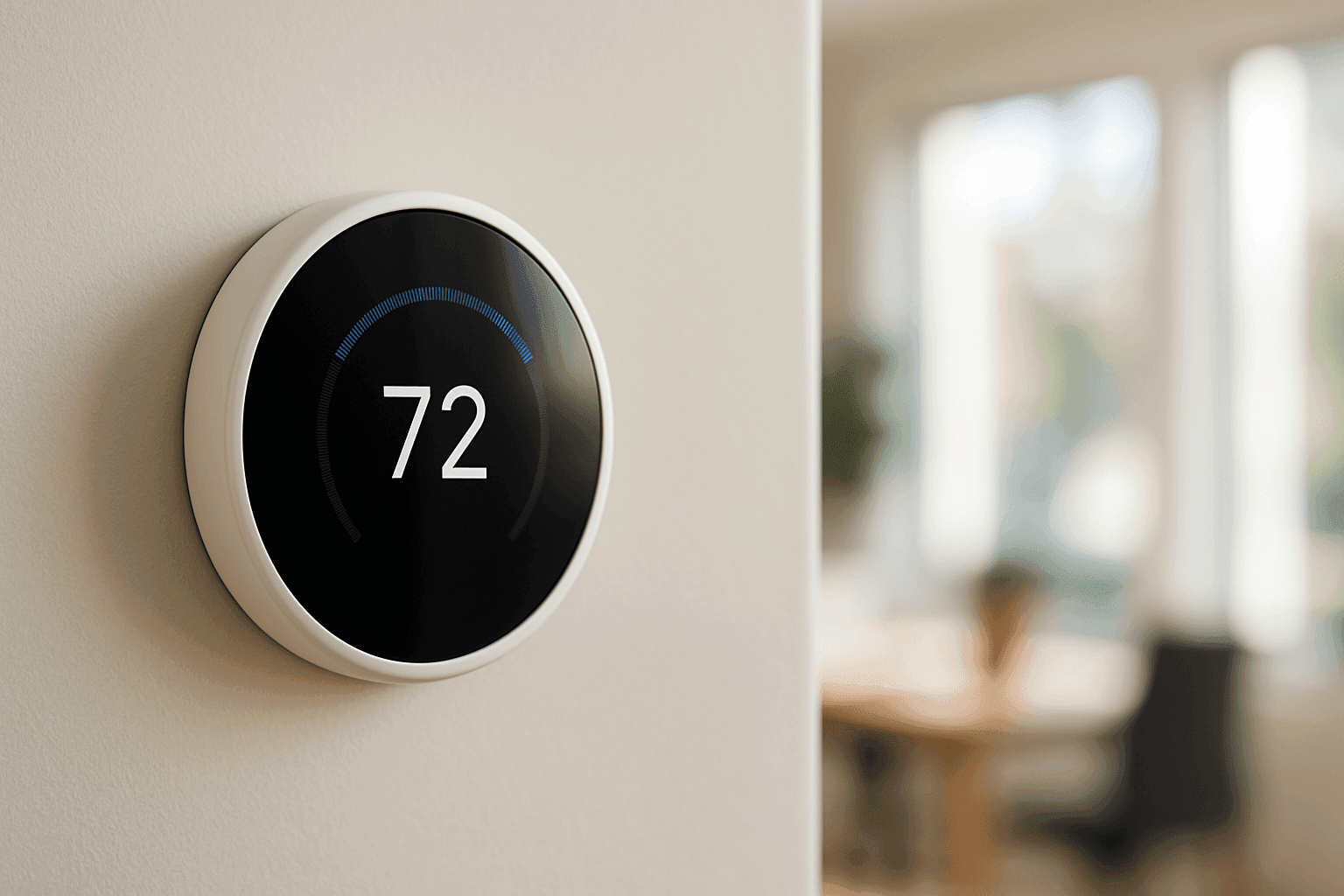
Choosing the right thermostat isn’t always as simple as it seems. Whether you’re managing a busy office or keeping a cozy home, the right controls can feel like having a well-trained conductor for your heating and cooling system—everything in harmony, nothing wasted.
But with so many types, features, and technical details, it’s easy to feel lost in a maze of options. At GOGO Heating, we know that matching your thermostat to your HVAC system is more than just a matter of comfort—it’s about energy savings, safety, and long-term reliability.
Types of Thermostats Explained 🛠️
Not all thermostats are created equal. Each type comes with its own set of perks and quirks.
Manual Thermostats
Think of these as the classic dial radios of the heating world. Simple to use, easy to understand—just set your temperature and forget it. But simplicity can have a price: you need to remember to adjust them yourself, or risk wasted energy.
Best for: Those who prefer hands-on control and don’t mind making frequent adjustments.
Programmable Thermostats
Imagine setting your coffee maker to start brewing before you wake up. That’s the convenience programmable thermostats bring to heating. Set schedules for different times of day—like lower temps when you’re away, warmer when you’re home.
Best for: Homes and offices with predictable routines.
Smart Thermostats
These are the smartphones of the thermostat family. They learn your habits, connect to Wi-Fi, and can be controlled from anywhere with your device. Many can even help you track and improve energy use, and some integrate with voice assistants.
Best for: Tech-savvy users, anyone interested in saving on heating bills, or people who are frequently on the go.
Key Features to Look For 🔍
Choosing a thermostat is a bit like picking a car; features make all the difference in comfort and efficiency.
- Energy-Saving Modes: Look for ENERGY STAR®-certified models or those with “eco” settings to help lower energy bills. The U.S. Department of Energy recommends programmable or smart thermostats for maximum savings.
- User-Friendly Interface: Clear displays, simple controls, and intuitive menus make life easier.
- Remote Access: Many smart thermostats offer app controls—adjust temps from your couch or halfway across town.
- Alerts and Maintenance Reminders: Some models send notifications for filter changes or system issues, helping you stay ahead of maintenance.
- Zoning Capabilities: Useful for larger homes or offices. Control different rooms or floors independently.
- Integration: If you have a smart home hub or voice assistant, check compatibility.
Avoid the trap of picking the fanciest model without considering what you’ll actually use. Sometimes, less is more.
Compatibility with Your Heating System 🤔
This is where things can get tricky. Like fitting a key into a lock, not every thermostat fits every system.
- Low-Voltage vs. Line-Voltage: Most homes use low-voltage systems (24V), which are compatible with most modern thermostats. Electric baseboards, however, need line-voltage models.
- Single-Stage vs. Multi-Stage: Some heating systems only turn on/off (single-stage), while others have multiple levels of output (multi-stage). Make sure your thermostat matches.
- Heat Pumps & Specialty Systems: Geothermal, radiant heating, and heat pumps often require specific thermostat types.
- C-Wire Requirement: Many smart thermostats need a “C” (common) wire for power. Not all older systems have one—double-check before you buy.
Pro tip: Review your HVAC manual, or consult a professional for guidance. Mismatching can cause system issues or void warranties.
Thermostat Installation Tips 🧰
Installing a thermostat can be straightforward—or a real puzzle. Here’s how to make it work smoothly:
- Turn Off Power: Safety first! Shut off power to your HVAC system at the breaker.
- Label Wires: As you remove the old thermostat, label each wire. Take a photo for reference.
- Mounting Position: Place thermostats away from direct sunlight, drafts, or heat sources. Central locations are best for accurate readings.
- Follow Manufacturer Instructions: Each model has quirks. Don’t skip the manual.
- Check Local Codes: The National Electrical Code (NEC) sets safety standards. Local building codes may add requirements.
- Test Before Finishing: Power up, test heating/cooling modes, and make sure everything works before you patch the wall.
If you’re unsure, calling a pro can save time and prevent costly mistakes. At GOGO Heating, we handle thermostat installation as part of our HVAC Installation services.
Benefits for Homes vs. Offices 🏢
Thermostats aren’t one-size-fits-all. The best choice depends on where and how it’s used.
For Homes:
- Greater focus on comfort and flexibility.
- Smart thermostats can learn your family’s schedule, adjusting for sleep, work, weekends, or vacations.
- Energy-saving features help lower utility bills.
For Offices:
- Prioritize reliability and ease of use for multiple users.
- Programmable or smart thermostats with zone controls help balance comfort across large spaces.
- Remote management lets facility teams make adjustments without disturbing staff.
Proper thermostat selection can mean the difference between a cozy winter and a season of frustration. It’s also a simple way to cut down on heating costs—a win for both budgets and the environment.
Trust-Building Advice for Matching Thermostats to HVAC Systems
- Read the Fine Print: Always check that the thermostat lists your system type—forced air, radiant, heat pump, etc.
- Double-Check Wiring: Compatibility goes beyond voltage. Wire configuration matters.
- Look for Certification: UL-listed or ENERGY STAR®-certified products meet safety and efficiency standards.
- Don’t Rush: Take your time with selection. The wrong match can stress your HVAC and shorten its life.
Energy-Saving Features
Modern thermostats are designed to save energy without sacrificing comfort. According to the U.S. Department of Energy, turning your thermostat back 7°-10°F for eight hours a day can save up to 10% per year on heating and cooling.
- Auto-Scheduling: Learns your routine and automates energy savings.
- Geofencing: Adjusts temperature when you leave or return using your phone’s location.
- Usage Reports: See patterns and spot savings opportunities.
Common Mistakes to Avoid
- Ignoring Compatibility: Not all thermostats work with all systems.
- Bad Placement: Placing a thermostat near a window or heat vent skews readings.
- Skipping Setup: Not programming schedules or connecting smart features wastes potential savings.
- DIY Gone Wrong: Incorrect wiring can damage both thermostat and HVAC.
Thermostat Installation: DIY or Call a Pro?
Changing a thermostat can be a quick weekend project—or a source of stress if something goes awry.
DIY is possible if:
- Your system wiring matches the new thermostat.
- You’re comfortable turning off power and following instructions.
Call a pro if:
- You have an older or complex system (like geothermal or radiant heating).
- There’s no C-wire and you’re unsure how to add one.
- Building codes or warranty requirements apply.
GOGO Heating offers Heating Maintenance and installation support—so you don’t have to go it alone.
Frequently Asked Questions
How do I know if my thermostat is compatible with my system?
Check your HVAC system’s manual for voltage, stage, and wiring info. When in doubt, consult a professional installer.
Will a smart thermostat work if I don’t have Wi-Fi?
Basic functions will work, but remote control and scheduling features require an internet connection.
How often should I replace my thermostat?
Most last 10–15 years, but upgrading sooner can improve comfort and efficiency.
Is it worth upgrading to a smart thermostat?
If you want more control, energy savings, or remote access, the answer is usually yes.
Local/Seasonal Considerations
South Florida may not see snow, but efficient heating matters during chilly snaps—and humidity control is just as vital. Offices and homes alike benefit from thermostats that manage both temperature and indoor air quality.
For local expertise and personalized recommendations, see Thermostats near West Little River, Florida.
Ready to upgrade your comfort or need installation help?
Call GOGO Heating now — or reach us anytime at 844-467-0847 .