How to Select the Best Air Filter for Your HVAC System
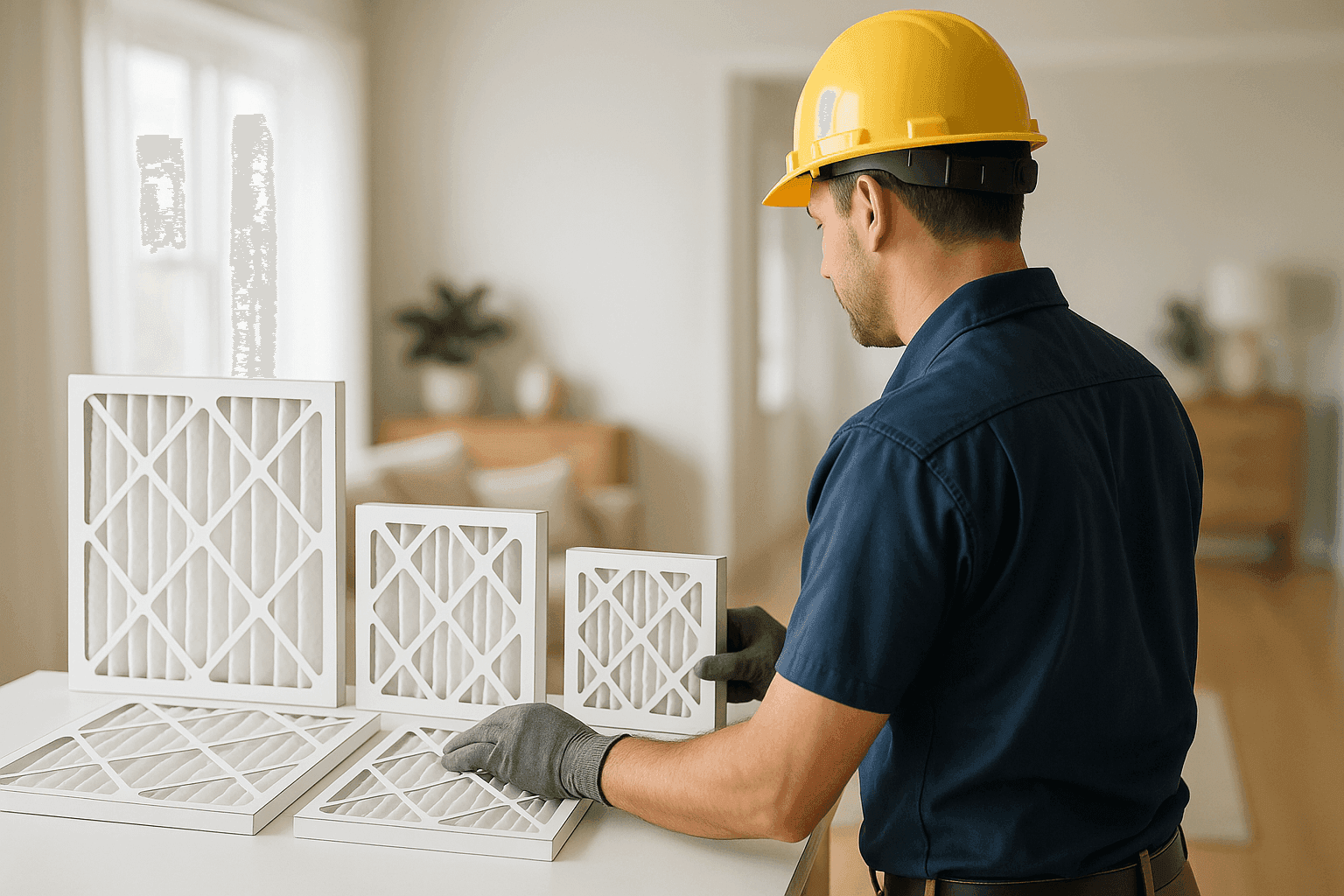
Breathe easy. That’s what we all want—at home, at work, wherever the air flows. But the truth? The filter in your HVAC system quietly shapes every breath you take indoors.
At GOGO Heating, we know that choosing an air filter isn’t just another item to check off the to-do list. It’s a decision with real impact on your comfort, your health, and your energy bills. Let’s break down what matters, step by step.
Why Air Filter Choice Matters 🏠
Think of your HVAC filter as a bouncer at the club—deciding what gets in, and what stays out. Dust, pollen, pet hair, and microscopic invaders all jostle for a spot. The right filter decides who makes it through.
A poor-quality filter lets in more than just fresh air. It can:
- Trap less dust and pollen, triggering allergies
- Clog faster, making your system work harder (and costing you more)
- Reduce airflow, straining your furnace or AC
A high-quality filter, by contrast, helps your heating system run smoother and can even extend its lifespan. The EPA points out that better filtration can improve indoor air quality (IAQ), which is especially vital if you have respiratory issues, pets, or live in a high-dust area.
Understanding Filter Ratings (MERV, HEPA) 📊
If filter packaging looks like alphabet soup, you’re not alone. Here’s what matters:
MERV Ratings
MERV stands for Minimum Efficiency Reporting Value. The scale runs from 1 to 20. The higher the number, the finer the filtration.
- MERV 1–4: Basic protection. Stops only the largest debris (think lint, dust bunnies).
- MERV 5–8: Good for most homes. Catches pollen, dust mites, some mold.
- MERV 9–12: Better for homes with allergies, pets, or if you want cleaner air.
- MERV 13–16: Hospital-grade. Captures bacteria, smoke, some viruses. May restrict airflow if your HVAC isn’t designed for it.
Most homes and small businesses do well with a MERV 8–12. Always check your system’s manual or ask a pro before going higher—too much restriction can hurt performance.
HEPA Filters
HEPA means High-Efficiency Particulate Air. These filters trap 99.97% of particles as small as 0.3 microns. Fantastic for medical settings, but most residential HVAC systems aren’t designed to handle their thickness without modifications.
Code tip: ASHRAE recommends at least MERV 13 for commercial buildings where possible, but always confirm what your specific system can handle.
Selecting for Allergies, Pets, and Efficiency 🐾
Every building is different. Picking a filter is not one-size-fits-all.
If you or your loved ones have allergies or asthma:
- Choose a filter rated MERV 11–13 for best results.
- Change filters more frequently—every 1–2 months.
- Consider pairing with an air scrubber or IAQ testing if symptoms persist.
If you have pets:
- Pet hair and dander clog filters quickly.
- Opt for a pleated filter, MERV 8 or higher.
- Check filters monthly—shedding seasons call for extra vigilance.
If energy efficiency is your top concern:
- Don’t simply go for the thickest filter.
- Match the MERV rating to your system’s specs.
- A more restrictive filter can make your blower work harder, burning more energy and possibly shortening equipment life.
Pro tip: If you’re unsure, ask your technician during heating maintenance or service calls.
When to Upgrade Your Filter 🔄
Is it time for something better? Consider upgrading your filter if:
- You’ve noticed more dust around vents and furniture
- Allergies or respiratory symptoms have gotten worse indoors
- Your HVAC system cycles on and off more frequently
- Your filter clogs within a month or less
Upgrading to a higher MERV-rated filter (within system limits) or specialty filters for smoke, odors, or VOCs can make a noticeable difference.
If you’re moving into a new property or haven’t changed your filter in a while, it’s a good idea to start fresh. And if you’re near Reston, here’s where to find Filters near Reston.
Maintenance and Replacement Tips 🛠️
Changing your filter isn’t just about swapping one for another. It’s about keeping the whole system running smoothly.
- Check monthly, replace at least every 3 months. More often if you have pets, allergies, or construction nearby.
- Turn off the system before replacing the filter. Safety first.
- Write the replacement date on the filter itself. No second-guessing.
- Look for signs of dirt, sagging, or damage. These mean it’s time for a new one.
- Follow manufacturer instructions. Not all filters face the same way—look for the arrow.
Want a hassle-free schedule? Mark your calendar or set a phone reminder for regular filter checks.
Quick Safety Checklist
- Never run the system without a filter.
- Make sure the filter fits snugly—no gaps at the edges.
- Replace filters more frequently during wildfires, pollen season, or home renovations.
- Dispose of dirty filters in a sealed bag, especially if you have allergies.
When to Call a Pro
Some filter changes are straightforward. Others, not so much. Call a technician if:
- Your filter is behind a sealed panel or in a tight spot
- You’re unsure about the right MERV rating
- Airflow seems weak even after a fresh filter
- You’re considering a HEPA upgrade or specialty filter
A professional can assess your system, perform IAQ testing, and recommend the best options for your needs.
What Pros Do On Arrival
When a GOGO Heating technician arrives, here’s what happens:
- Inspect the current filter and housing for fit and condition
- Check airflow and system pressure to make sure the new filter won’t strain the equipment
- Advise on filter selection based on your building’s needs, pets, allergy concerns, and energy goals
- Offer a maintenance schedule so you never forget a replacement
Prevention & Maintenance Tips
- Schedule regular heating maintenance to keep your system in prime shape
- Keep vents and returns clear of furniture and clutter
- Change your filter before every major season (spring, fall) for best performance
- Consider a home energy audit if you notice persistent issues—sometimes leaks or insulation problems are to blame
Costs & Time Factors
Air filters range from a few dollars for basic fiberglass to $30+ for high-end pleated or specialty models. Changing a filter takes less than 15 minutes for most systems.
Upgrading to a higher MERV or HEPA filter may require system adjustments—expect additional labor costs for modifications.
When It’s an Emergency
Don’t ignore a clogged or missing filter. Running your system without one, even for a day, can let dust and debris coat the blower, coils, and ducts—leading to expensive repairs. If your system shuts down unexpectedly or blows weak air, check the filter first. If replacing doesn’t help, call us right away for 24-hour emergency service.
FAQ
How often should I change my HVAC filter?
Most filters should be changed every 1–3 months, depending on usage, pets, and air quality.
Can I use a HEPA filter in my home furnace?
Most standard home furnaces aren’t designed for HEPA filters. Always consult your system’s manual or an HVAC professional before upgrading.
Does a higher MERV mean better air quality?
Generally, yes—but only up to the limit your system can handle. Too high a MERV can reduce airflow and put stress on your HVAC.
What if my filter is always dirty?
Frequent clogging could be a sign of excessive dust, leaky ducts, or the wrong filter size. Ask about an IAQ test or home energy audit.
Local & Seasonal Considerations
If you live in a region with heavy pollen, wildfire smoke, or dust storms, you may need to change your filter more often—sometimes monthly during peak conditions. Construction, remodeling, or a new pet can also increase replacement frequency.
No matter the season, clean filters help your heating and cooling system breathe easy—so you can, too.
Ready for fresher, healthier air? Call GOGO Heating now — or reach us anytime at 844-467-0847 .