How to Prevent Carbon Monoxide Exposure from Heating Systems
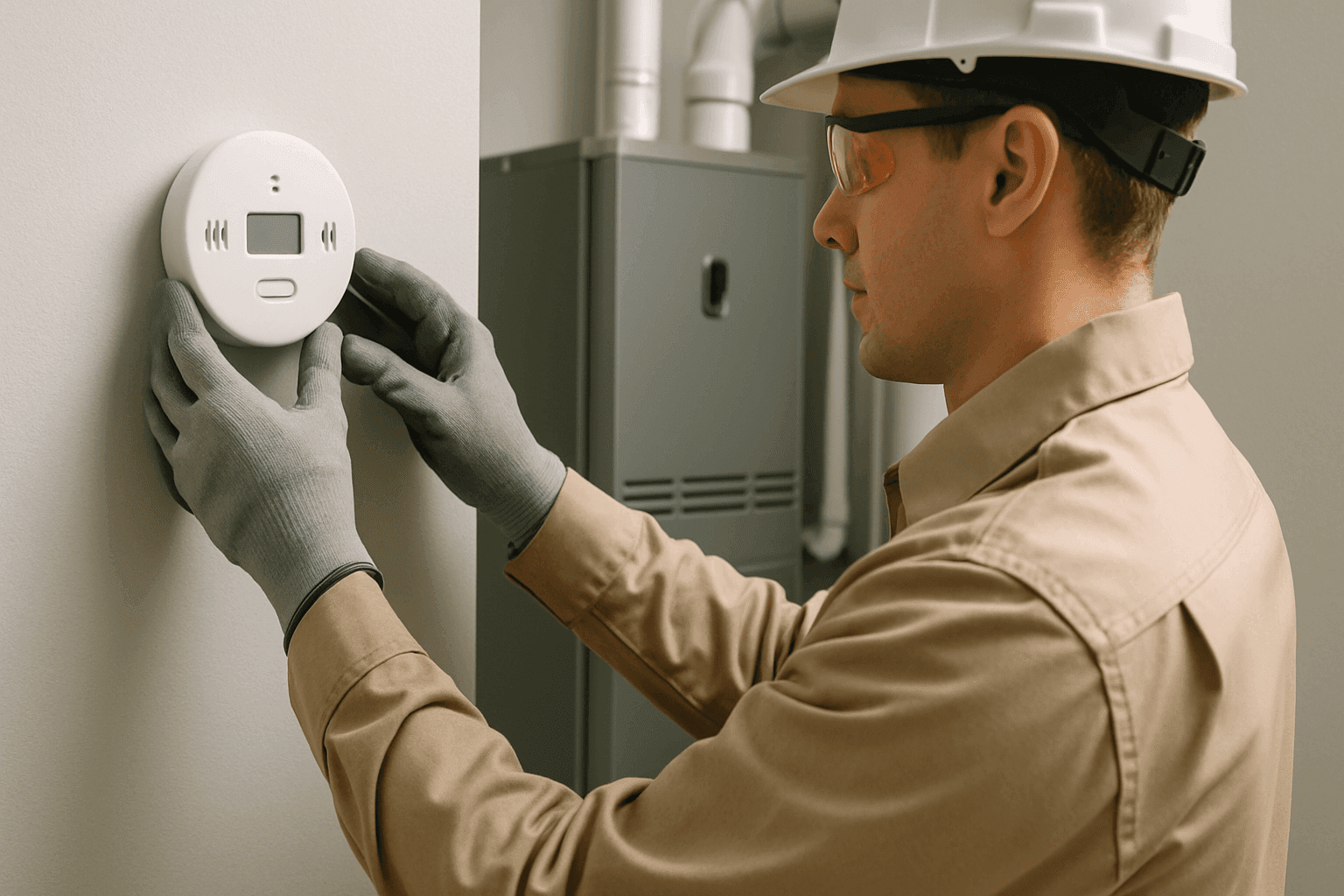
Carbon monoxide isn’t just a scary phrase in the news. It’s an invisible, odorless danger that can quietly creep into any home or business—especially during heating season. At GOGO Heating, we know that keeping your loved ones and your team safe is your top priority. Ours, too.
Understanding carbon monoxide risks from heating systems is more than a checklist—it's about peace of mind. Let’s break down the real steps you can take today to protect everyone inside, using clear, practical advice from seasoned pros.
How Heating Systems Can Produce CO 🏠
Most heating systems that burn fuel—like natural gas, propane, oil, or wood—create carbon monoxide (CO) as a byproduct. Think of your furnace or boiler like a campfire: when everything burns cleanly, the smoke (or CO) goes up the chimney or exhaust. But if something blocks that path, or if the fire doesn’t have enough oxygen, CO can build up inside instead of escaping.
Here’s where CO can sneak in:
- Cracked heat exchangers: They’re the “lungs” of your furnace, and cracks let CO leak out.
- Blocked vents or flues: Birds, debris, or even snow can block these exits.
- Poor combustion: Too little air means fuel doesn’t burn completely, producing more CO.
- Malfunctioning gas appliances: Anything that burns fuel—water heaters, stoves, fireplaces—can be a source.
According to the U.S. Consumer Product Safety Commission and the CDC, improper heating maintenance and installation are leading causes of CO buildup indoors.
Signs and Symptoms of CO Exposure 🚨
Carbon monoxide is called the “silent killer” for a reason. You can’t see, smell, or taste it. But your body will notice, sometimes with surprisingly subtle signs:
- Headaches, especially when indoors
- Dizziness or confusion
- Nausea or vomiting
- Shortness of breath
- Weakness or fatigue
- Chest pain
Symptoms often feel like a bad flu, and they get better when you leave the area. If everyone at home or work feels off at the same time, especially during heating season, CO might be the culprit.
Severe cases can quickly turn life-threatening—loss of consciousness, heart problems, even death. This is why early detection matters so much.
Installing and Testing CO Detectors
The best shield against CO exposure? Properly placed, working carbon monoxide detectors.
Where to Install CO Detectors
- In every sleeping area and outside each bedroom
- On every floor, including basements
- Near attached garages
- At least 10 feet away from fuel-burning appliances (to avoid false alarms)
Install detectors according to manufacturer instructions and local building codes (like International Residential Code, Section R315).
Testing and Replacing CO Detectors
- Test monthly: Press the “test” button until the alarm sounds.
- Change batteries: At least once a year, or whenever you hear the “low battery” chirp.
- Replace units: Every 5–7 years, even if they seem to work—older sensors lose accuracy.
A CO detector is like a smoke alarm for invisible threats. If yours is old, broken, or missing, [Thermostats near you] and CO detectors should be bumped to the very top of your to-do list.
Maintenance to Prevent CO Leaks
Routine heating maintenance is your first line of defense. Think of it as brushing your teeth—regular, simple care prevents major problems down the road.
What Heating Maintenance Should Include
- Inspecting and cleaning burners, exchangers, and vent pipes
- Checking and tightening gas connections
- Testing safety controls and air flow
- Cleaning or replacing furnace filters regularly
Dirty filters and blocked ducts can starve your system of oxygen, causing incomplete combustion and more CO. Professional maintenance also catches cracked exchangers or flue blockages early.
Need a pro? Explore our heating maintenance and furnace repair services for a thorough checkup.
IAQ Testing
Indoor Air Quality (IAQ) testing goes a step further, measuring not just CO but other airborne pollutants. Especially important for businesses or homes with sensitive occupants, IAQ testing can be paired with heating maintenance for a full safety snapshot. Learn more about IAQ testing.
Emergency Steps if CO Detected
If your CO detector alarms or you suspect a leak:
- Get outside immediately. Don’t wait to gather things—leave doors open as you exit.
- Call 911 from outside the building.
- Don’t go back inside until professionals say it’s safe.
- Ventilate if safe. Open windows and doors from the outside, if possible.
Remember, symptoms can sneak up fast. Never ignore a CO alarm, even if you feel fine.
Quick Safety Checklist
- Install CO detectors on every level and outside sleeping areas.
- Test detectors monthly and change batteries yearly.
- Schedule annual heating maintenance—preferably before cold weather hits.
- Keep vents and chimneys clear of debris, snow, and nests.
- Never use outdoor appliances (grills, generators) indoors or in garages.
- Know the symptoms of CO exposure.
DIY vs. Call a Pro
Some tasks you can handle. Others are best left to certified heating technicians.
DIY
- Testing and replacing CO detector batteries
- Keeping vents and grills clear
- Changing furnace filters
Call a Pro
- Inspecting and repairing heat exchangers, burners, and venting
- Comprehensive IAQ testing
- Diagnosing and repairing furnace or HVAC issues
Professional heating maintenance catches hidden problems you can’t see—like that tiny hairline crack inside your furnace.
What Pros Do On Arrival
When GOGO Heating arrives, we:
- Inspect your heating system for leaks or blockages
- Test for CO with industry-grade sensors
- Check combustion quality and venting
- Advise on repairs or upgrades if needed
- Document our findings so you can see exactly what’s happening
We follow guidelines from the National Fire Protection Association (NFPA) and local code requirements for every inspection.
Prevention & Maintenance
Prevention is ongoing. Here’s how to stay ahead:
- Schedule Heating Maintenance near me in Washington at least once a year.
- Replace old appliances with newer, safety-certified models.
- Upgrade to sealed-combustion units if possible—they draw air from outdoors, not your living space.
- Address odd smells, soot, or yellow burner flames right away.
Regular care is less stressful than emergency repairs—and it keeps everyone safer.
Costs & Time Factors
- CO detectors: Most are affordable; installation takes under an hour.
- Annual heating maintenance: Usually a 1–2 hour visit.
- Furnace repairs: Time and cost depend on the issue. Cracked heat exchangers or vent blockages need urgent attention.
- IAQ testing: Typically a half-day, especially for large spaces.
Many insurance policies and local codes require regular heating system checks—another reason to stay current.
When It’s an Emergency
CO leaks are always emergencies. If anyone loses consciousness, has chest pain, or trouble breathing, call 911. Don’t try to “air out” the house alone. Get out, stay out, and let the professionals handle the rest.
FAQ: Carbon Monoxide and Heating
Q: Will opening a window help if I suspect CO?
A: It might reduce levels, but won’t fix the source. Leave immediately and call for help.
Q: Can electric heat cause CO?
A: No—CO comes from burning fuels. But electric units still need regular maintenance for other safety reasons.
Q: How often should I test my CO detectors?
A: Test every month, and replace batteries at least once a year.
Q: Are plug-in CO detectors enough?
A: They’re good, but battery backup is best for power outages.
Local and Seasonal Considerations
In winter, doors and windows stay shut, trapping air inside. Heating systems run more often, raising the risk of CO buildup. After storms, check that vents and chimneys are clear of snow or ice.
In older homes or buildings, outdated heating systems and venting are common. Regular upgrades and code-compliant installations lower the risk.
No matter the season, routine care and awareness make all the difference.
The quiet threat of carbon monoxide doesn’t have to keep you up at night. With smart prevention and regular maintenance, you can keep your home or business safe and warm all season long.
Call GOGO Heating now — or reach us anytime at 844-467-0847 .