How to Prepare Your HVAC System for Spring Allergy Season
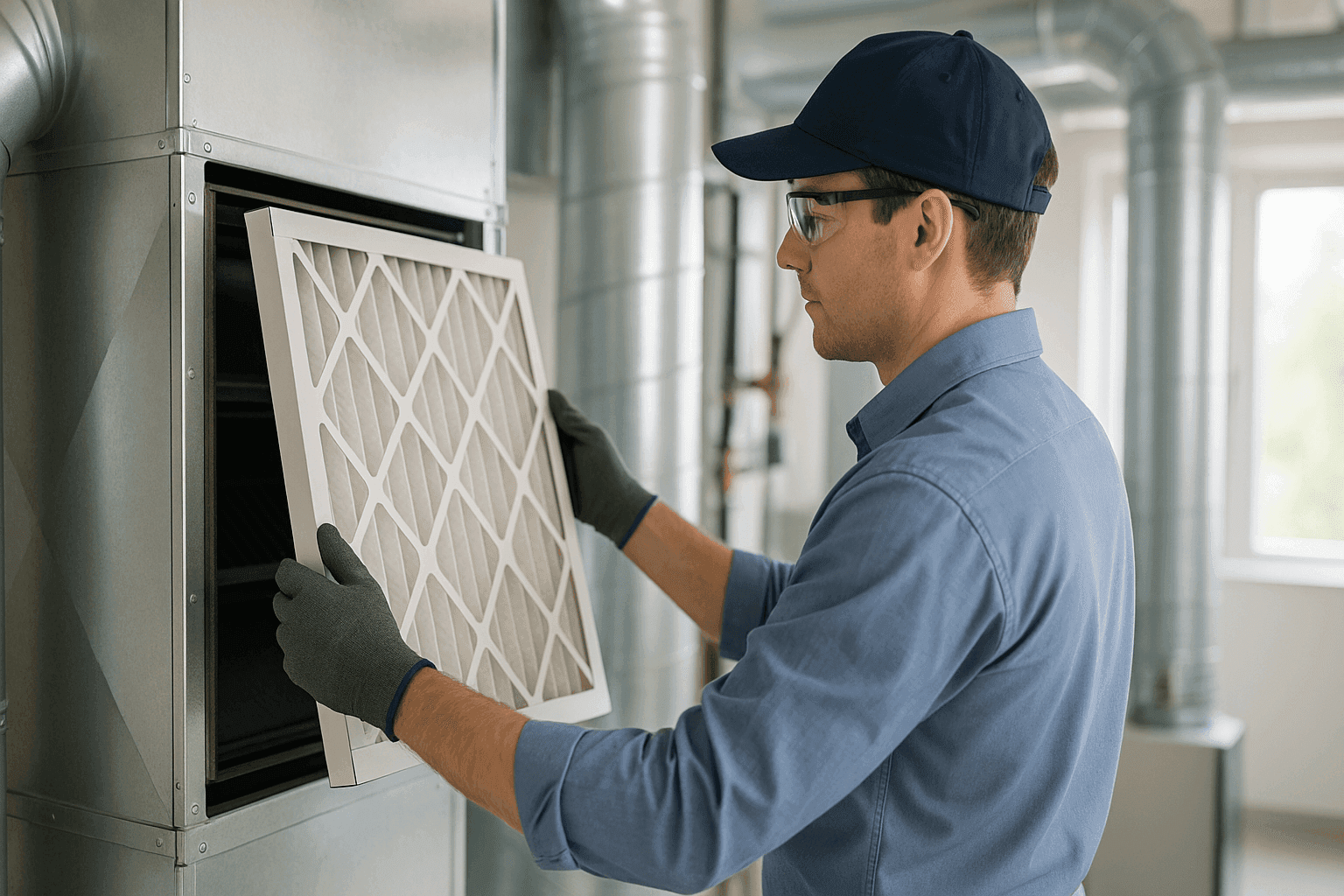
Spring brings a fresh start. But as flowers bloom, pollen and allergens sneak in through every crack and vent. If you or someone in your building is sneezing, coughing, or struggling to breathe easy, you’re not alone. At GOGO Heating, we know that healthy indoor air doesn’t just happen — it takes action.
Whether you’re a homeowner or run a busy office, your HVAC system is the first line of defense against spring allergies. Preparing it now can make all the difference for your comfort and well-being.
Why Spring Allergies Are a Problem Indoors 🌱
When spring winds pick up, allergy season follows close behind. Pollen counts rise. Mold spores multiply. Tiny irritants, invisible to the eye, float in on shoes, clothes, and even through closed doors.
But here’s the twist: most people spend about 90% of their time indoors (according to the EPA). That means your HVAC system isn’t just for comfort — it’s your shield against the allergens swirling outside. If your heating or cooling is running with a clogged filter or dirty ducts, it’s like opening the windows on a windy day and hoping for the best.
Unmanaged, these airborne invaders can trigger:
- Sneezing and runny noses
- Itchy eyes and throats
- Asthma flare-ups
- Fatigue and headaches
A neglected HVAC system can actually amplify these problems, circulating allergens every time it cycles on. That’s why spring maintenance is about more than just efficiency — it’s about your health.
Spring HVAC Maintenance Tips
Think of your HVAC system like a car. Regular tune-ups keep it running smoothly, but spring calls for special attention. Here’s what GOGO Heating recommends:
Change Your Filters — Early and Often
Don’t wait for allergy symptoms to start. Swap out your HVAC filter at the start of the season, and check it every month. High-efficiency pleated filters can trap much smaller particles than the cheap, fiberglass ones. If you’re not sure which filter is right for your system, our team can help. (See our filters service for more info.)
Clean Vents and Ducts
Dust and pollen settle inside vents and ducts all winter. When the system kicks on in spring, those particles get stirred up — and blown right into your living spaces. Vacuum vent covers and consider a professional duct cleaning if it’s been a few years.
Schedule a Professional Tune-Up
Spring is the ideal time for a full HVAC Maintenance visit. Why? Because our technicians can catch small problems before they become big, expensive headaches. We’ll check for leaks, clean coils, and make sure everything is running safely and efficiently.
Check Thermostats and Controls
Allergy season means fluctuating weather. Make sure your thermostat is accurate, responsive, and set to circulate air even when heating or cooling isn’t needed. If you’re still using an old manual thermostat, consider an upgrade. (Thermostats near you are easier to install than you might think.)
Inspect for Mold and Moisture
Damp basements, leaky ducts, or clogged drain pans can breed mold. A musty smell from your vents is a red flag. If you spot signs of mold, call in a pro — fast. Mold spores can trigger severe respiratory symptoms.
Filtration and Purification Upgrades
Sometimes, a standard filter isn’t enough — especially if allergies are severe. Here’s how you can level up your protection:
HEPA Filters and High-MERV Options
HEPA (High-Efficiency Particulate Air) filters are like ultra-fine nets. They catch particles as small as 0.3 microns: pollen, dust, even some bacteria. Not every system can handle a HEPA filter, but most can be upgraded to a higher MERV (Minimum Efficiency Reporting Value) filter. We recommend MERV 11 or higher for allergy relief, but check your system’s specs.
Whole-Home Air Purifiers
Air scrubbers and UV light purifiers go a step further. These devices help neutralize airborne bacteria, viruses, and mold spores — not just trap them. They’re installed directly into your HVAC system for around-the-clock protection.
Humidifiers and Dehumidifiers
Balanced humidity is key. Too dry, and allergens float longer. Too damp, and mold thrives. Aim for 30–50% humidity indoors (per CDC recommendations). A whole-home humidifier or dehumidifier can make this much easier.
Routine IAQ Testing
You can’t fix what you can’t see. Professional IAQ Testing measures your home or business’s indoor air quality. We check for pollen, mold, volatile organic compounds (VOCs), and more. The results help us recommend the right solutions, tailored to your needs.
Professional Allergy-Reduction Services
Some jobs are best left to trained technicians. Here’s what GOGO Heating’s pros bring to the table:
- Comprehensive inspections: We look at every part of your HVAC system, from filters to ductwork, thermostats to sensors.
- Safe cleaning: Using industry-approved tools and methods, we remove dust, debris, and allergens without spreading them through your home.
- Custom solutions: Every building is unique. We help you choose the right upgrades, from filtration to purification.
- Code-compliant practices: Our work follows local building codes and National Air Duct Cleaners Association (NADCA) guidelines for safety and quality.
A professional visit isn’t just about finding problems — it’s about giving you peace of mind for the whole season.
Quick Safety Checklist 🛠️
Before allergy season hits full swing, run through these essentials:
- Replace HVAC filters (use high-MERV or HEPA if possible)
- Clean air vents and returns
- Clear debris from outdoor HVAC units
- Set thermostat to circulate air regularly
- Check for water leaks or musty smells near HVAC equipment
- Schedule a professional maintenance check
If you notice persistent allergy symptoms indoors, don’t ignore them. Early action can prevent bigger health and mechanical issues down the line.
DIY vs. Call a Pro
There’s plenty you can do yourself:
- Swapping filters
- Dusting vents
- Checking thermostat batteries
But some tasks are safer (and more effective) in a pro’s hands:
- Deep duct cleaning
- IAQ testing and mold assessment
- Upgrading filtration or installing air purifiers
- Diagnosing persistent odors or humidity problems
If your DIY fixes aren’t cutting it, or you notice complex issues like short cycling, strange noises, or spikes in utility bills, it’s time to call GOGO Heating.
What Pros Do On Arrival
When you schedule an HVAC maintenance visit, here’s what to expect:
- Full system inspection: We check for worn parts, leaks, and airflow blockages.
- Filter replacement: We install the right filter for your system and allergies.
- Coil and blower cleaning: Removes hidden dust and debris.
- Duct inspection: Looking for buildup, leaks, or signs of mold.
- Performance testing: Verifying airflow, temperature, and thermostat accuracy.
- Personalized recommendations: Tailored to your building, allergy needs, and budget.
We follow standards set by the Air Conditioning Contractors of America (ACCA) and American Society of Heating, Refrigerating and Air-Conditioning Engineers (ASHRAE).
Prevention & Maintenance
The best way to beat spring allergies? Make clean air part of your routine:
- Change filters every 1–3 months, or as recommended.
- Keep windows closed on high-pollen days.
- Remove shoes and outerwear at the door.
- Dust and vacuum regularly (using a HEPA vacuum if possible).
- Schedule annual HVAC maintenance — spring and fall are ideal times.
Consider a Home Energy Audit to uncover hidden ventilation and efficiency issues.
Costs & Time Factors
Wondering what it takes to allergy-proof your HVAC? Here’s what to expect:
- Filter upgrades: Usually quick, inexpensive, and can be DIY or done during a service call.
- Duct cleaning: Takes a few hours, recommended every 3–5 years or after major renovations.
- IAQ testing: Professional assessments typically take less than a day.
- System tune-up: Most maintenance visits are completed in under two hours.
Upgrades like whole-home air purifiers or humidifiers are investments, but they can pay off in comfort and health year-round.
When It’s an Emergency
Sometimes, allergies are more than a nuisance. If you or anyone in your building experiences severe respiratory distress, seek medical attention right away.
Call for emergency HVAC service if you notice:
- Burning or electrical smells
- No airflow from vents
- Sudden, persistent humidity or condensation issues
- Visible mold growth
GOGO Heating offers 24-hour emergency service for urgent heating, cooling, or air quality concerns.
FAQ
How often should I change my HVAC filter during allergy season?
We recommend checking your filter every 30 days in spring and replacing it as soon as it looks dirty. Homes with pets or high pollen counts may need even more frequent changes.
Can I install a HEPA filter in my existing system?
Many systems can handle a higher-MERV filter, but true HEPA filters require special modifications. Ask a GOGO Heating technician to assess your system first.
Is duct cleaning necessary every year?
Not always. The NADCA suggests cleaning ducts every 3–5 years, or sooner if you notice visible dust, mold, or pest issues.
What’s the difference between an air purifier and a better filter?
Filters trap particles; air purifiers neutralize or remove them using UV light, activated carbon, or other methods. Combining both offers the best protection.
Local/Seasonal Considerations
In areas like Stillwater, spring allergy season often starts before the trees even bud. Pollen can spike unexpectedly, so it pays to be proactive. If you’re searching for HVAC Maintenance near me in Stillwater, Oklahoma, GOGO Heating is here to help get your system spring-ready.
Remember, clean air isn’t just about comfort — it’s about health, energy, and peace of mind.
Call GOGO Heating now — or reach us anytime at 844-467-0847 .