HVAC Filters: How Often Should You Change Them?
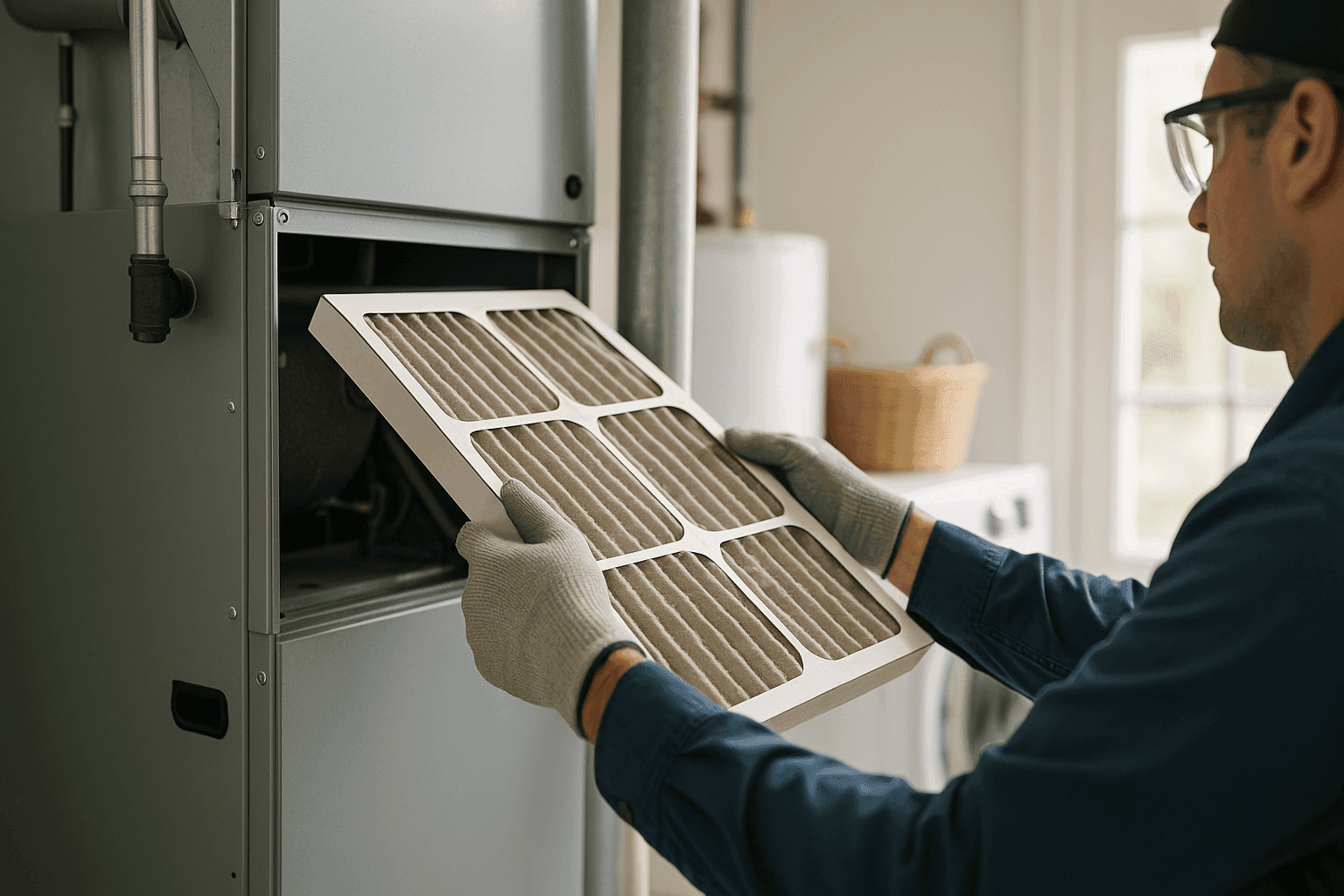
Have you ever noticed your home feels stuffy or your heating system seems to work harder than usual? Maybe your energy bill crept up, or allergies have flared. Most of the time, the culprit is simpler than you think: a clogged HVAC filter.
At GOGO Heating, we see this every week. Clean filters are the unsung heroes of comfort—helping both homes and businesses stay healthy, efficient, and safe. Let’s break down how often you should swap yours, what can shorten or lengthen their life, and how to never forget a filter change again.
Why Regular Filter Replacement Is Critical 🛡️
Imagine trying to breathe through a scarf packed with dust. That’s what your heating or cooling system goes through when the filter is overdue for a change.
Clean HVAC filters do more than keep the air clear. They:
- Trap dust, pollen, pet dander, and more—boosting indoor air quality (IAQ).
- Keep heating and cooling equipment running smoothly.
- Reduce wear and tear, stretching the life of your system.
- Help prevent unexpected breakdowns or emergency repairs.
- Lower your energy bills—less airflow resistance means less strain on the blower.
Skipping filter changes? It’s like running a marathon in heavy boots. The system’s forced to work harder, and you’ll pay the price with higher bills and possible repair headaches. The U.S. Department of Energy says replacing a dirty filter can cut your energy use by up to 15%. That’s a real difference.
Recommended Change Intervals ⏱️
How often should you change your HVAC filter? There’s no one-size-fits-all answer, but here are trusted timelines from GOGO Heating pros and industry authorities:
- 1-inch filters: Every 1–3 months.
- 2–4 inch filters: Every 3–6 months.
- HEPA or high-efficiency filters: Check monthly; change every 6–12 months, but follow manufacturer’s advice.
- During heavy use (winter or summer): Check monthly, even if you normally wait longer.
If you own pets, smoke indoors, or live in a dusty area, lean toward the shorter end of those ranges. Commercial buildings with high foot traffic or special air quality needs? Change more frequently, and consider professional IAQ testing for peace of mind.
For more details, see recommendations from the National Air Filtration Association (NAFA) and ENERGY STAR.
Factors Affecting Filter Life 🏠
A filter’s lifespan isn’t just about time. Several real-life factors can speed up or slow down the need for a replacement:
- Pets: More fur, dander, and dust means faster clogging.
- Allergies or asthma: Change more often to keep irritants at bay.
- Renovations or construction: Dust and debris can overwhelm filters in a hurry.
- Home occupancy: More people, more particles.
- Fan settings: If your system runs the fan continuously (“ON” instead of “AUTO”), filters fill up faster.
- Location: If you’re near busy roads or fields, airborne dust may be higher.
If you’re unsure, check your filter at least once a month. Hold it up to the light—if you can’t see light passing through, it’s time for a new one.
Signs It’s Time for a New Filter 👃
Sometimes, the calendar isn’t enough. Watch for these warning signs that your HVAC filter is past its prime:
- Visible dirt or dust: If the filter looks gray or packed with debris, swap it out.
- Increased allergy symptoms: Sneezing, coughing, or itchy eyes indoors? Your filter may not be catching particles.
- Musty or dusty smells: Odors can linger when airflow is restricted.
- Heating or cooling struggles: Rooms aren’t as comfortable, or your system runs longer than usual.
- Higher energy bills: Even a small uptick can signal reduced efficiency.
If you spot any of these, don’t wait—change your filter, and you’ll likely notice a difference fast.
Tips for Remembering Changes 🎯
Life gets busy. Forgetting to change a filter is easy—but a little planning goes a long way:
- Set phone calendar reminders for every 1–3 months, or whatever interval fits your filter.
- Use sticky notes on your furnace or thermostat.
- Write the change date directly on the filter frame with a permanent marker.
- Pair filter changes with holidays or monthly bills—easy to remember, and keeps your system on track.
- Sign up for subscription services that mail filters on schedule (many people find this helps).
If you’re managing a commercial property, keep a maintenance log. And if you’re not sure which filter to buy, ask your HVAC tech during your next heating maintenance visit.
Authority-Backed Timelines and Reminders
Regulatory standards offer a safety net. For example, the U.S. Environmental Protection Agency (EPA) recommends checking HVAC filters at least every three months, and more often for allergy-prone households. Manufacturers like Lennox and Carrier often suggest monthly checks—especially during peak heating or cooling seasons.
Still unsure? Filters in Okemos are just one call away. Our team can walk you through the best schedule for your home or building.
Call GOGO Heating now — or reach us anytime at 844-467-0847 .