Heating System Noises: What’s Normal and What’s Not?
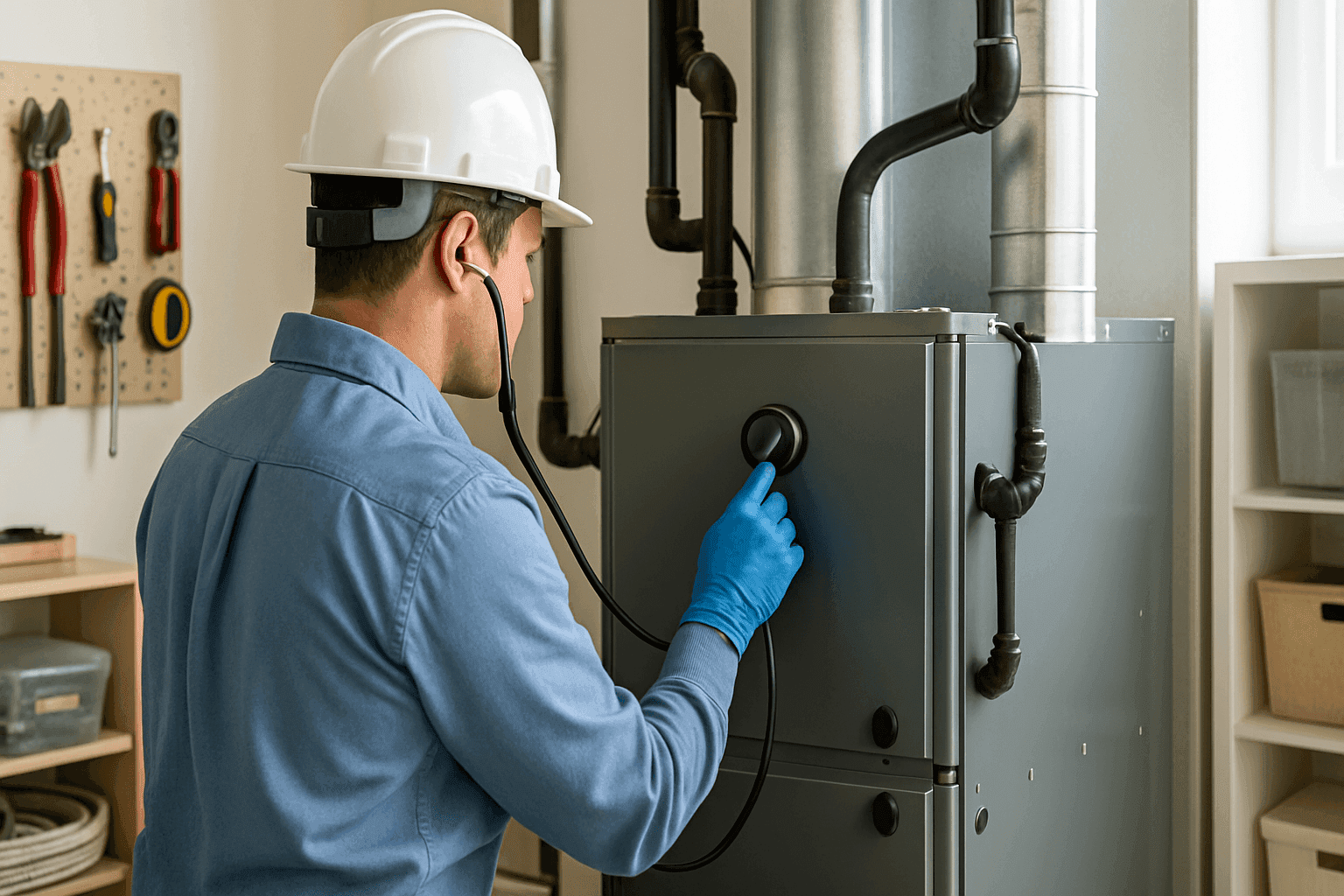
Is your home or business suddenly echoing with clicks, clanks, or rattles from the heating system? You’re not alone. At GOGO Heating, we know those unexpected sounds can make anyone uneasy. Sometimes, they’re as harmless as the pipes settling in for winter. Other times, they’re a warning sign you can’t afford to ignore.
Let’s break down which heating noises are normal, which ones aren’t, and what steps you should take next. Whether you’re a homeowner or running a busy office, a clear answer—and a quieter, safer space—are just a read away.
Common Heating System Noises 🔊
Every heating system has its own “voice.” Over time, you learn its rhythm. But some sounds grab your attention more than others. Here’s what you might hear:
- Clicking: When the system starts or stops, a soft click is normal as relays and thermostats engage.
- Whooshing: Air moving through vents often creates a gentle whoosh, especially with whole-house fans or air balancing systems.
- Popping: Metal ducts expand and contract with temperature changes, causing quick pops.
- Humming: Motors in your furnace or HVAC system run with a low hum.
- Rattling: Loose panels or screws can lead to a mild rattle.
But then there are noises that cut through the background—persistent banging, screeching, or booming. These are the ones that deserve your full attention.
What’s Normal vs. Concerning?
Think of your heating system like a car. You expect a gentle purr, but a sudden screech or thud means something’s off.
Normal Sounds:
- Brief clicks at startup or shutdown
- Occasional pops from ducts, especially at the start of the season
- Soft humming from motors or blowers
Concerning Sounds:
- Loud banging or booming: This could mean delayed ignition in your furnace, which is a safety hazard.
- Screeching or squealing: Usually points to a worn or slipping blower belt.
- Persistent rattling or vibrating: Loose components or failing parts could be to blame.
- Grinding: Metal-on-metal sounds often indicate motor bearing failure.
- Hissing: Possible air leaks or even dangerous gas leaks (if you smell gas, leave and call emergency services).
If your heating system sounds like it’s trying to tell you something urgent, it probably is.
Causes of Unusual Noises
Here’s what might be happening behind the scenes:
- Delayed ignition: A buildup of unburned gas can cause a mini-explosion at startup. This is more common in older furnaces and should be checked right away.
- Loose or broken parts: Vibrations can shake screws, panels, or fans loose over time.
- Worn belts or bearings: These can create a range of unpleasant noises from squeals to grinding.
- Dirty burners or filters: Restricted airflow or dirty components force the system to work harder, often noisily.
- Airflow issues: Blocked vents or ducts, dirty filters, or closed dampers can make the system whistle or howl.
Routine heating maintenance and changing filters regularly help prevent many of these issues.
When to Call for Repairs
You may wonder, “How urgent is this?” Here’s a quick guide:
- Immediate action: Loud bangs, repeated booming, or any sound accompanied by the smell of gas. Turn off the system and call for emergency heating repair.
- Soon: Persistent squealing, grinding, or rattling. These noises often mean a part is failing and could lead to bigger repairs (or a breakdown).
- Monitor: Occasional pops or minor hums that don’t change over time are usually safe but mention them during your next scheduled maintenance.
At GOGO Heating, we’ve seen small noises turn into major repairs when ignored. Don’t wait for a complete breakdown.
Preventing Noise Issues 🛠️
A quiet system is usually a healthy system. Here’s what you can do:
- Change filters regularly: Dirty filters force the blower to work harder, making it noisier.
- Schedule annual maintenance: A technician can spot worn parts, loose screws, and airflow problems before they get loud.
- Keep vents and ducts clean: Dust and debris in ductwork can amplify noise and reduce efficiency. Duct cleaning can help.
- Check your thermostat: Faulty or outdated thermostats near you may cause the system to cycle on and off too frequently, adding wear and noise.
- Address humidity: Too-dry air can make metal ducts pop more often. Consider humidifiers or ask about radiant heating options.
Following manufacturer and local code maintenance guidelines (see the International Residential Code, Section M1401) keeps your system compliant and reliable.
Real-World Examples from GOGO Heating
- Case 1: A homeowner heard a loud bang every morning. After investigation, we found delayed ignition—the furnace was overdue for cleaning and adjustment.
- Case 2: An office manager reported persistent rattling. We discovered a loose blower motor mount, tightened it, and the rattling stopped.
- Case 3: A family noticed hissing from the vents. This turned out to be a blocked filter and closed dampers. A quick fix restored quiet comfort.
No two systems are identical, but the warning signs are universal.
FAQ: Heating System Noises
Q: Is it safe to keep running my heater if it’s making noise?
A: Minor pops and hums are usually safe, but loud, sudden, or persistent noises should be checked right away.
Q: Can I fix noisy ducts myself?
A: Tightening loose panels is fine for handy homeowners, but anything involving gas, electricity, or internal components is best left to a pro.
Q: How often should I schedule maintenance?
A: The Department of Energy recommends annual inspections for all residential and commercial heating systems.
Q: What should I do about a burning smell?
A: A dusty odor at first startup is normal, but if it persists or smells electrical, turn off the system and call for help.
Local & Seasonal Considerations ❄️
When temperatures dip, your heating system works harder. Seasonal transitions often bring out noises you haven’t heard before. Here’s what to consider:
- First cold snap: Metal contracts quickly, causing more pops.
- After a long summer: Dust build-up can make start-up noisier—schedule a cleaning before winter.
- Older homes and businesses: Aging ductwork and furnaces are more prone to rattles and vibrations.
Whether you’re managing a busy building or keeping your family warm at home, early attention keeps everyone safe and comfortable.
If your heating system has started speaking up—or shouting—don’t ignore it. GOGO Heating is standing by with fast, professional help for all your heating-repair and furnace-repair needs.
Call GOGO Heating now — or reach us anytime at 844-467-0847 .