Emergency Heating: What to Do Before Help Arrives
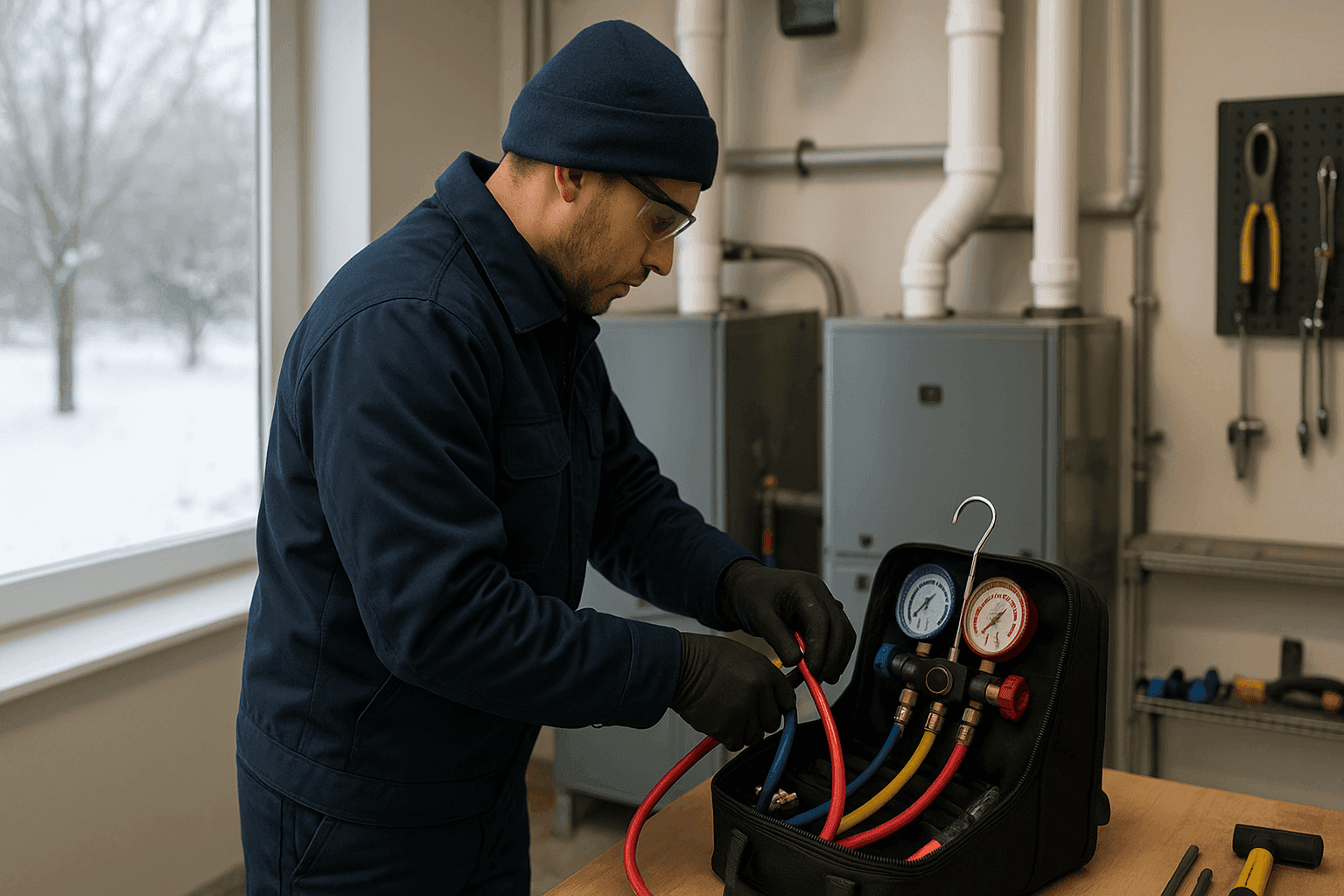
When your heat suddenly cuts out, panic can creep in. The temperature in your home drops fast, and comfort turns to concern. Whether it’s the chill of a winter night or a workplace going cold, every minute matters.
At GOGO Heating, we know how urgent these moments feel. We’ve helped countless families and businesses through emergencies—restoring warmth and peace of mind. Here’s what you should do before a professional arrives, to keep everyone safe and your space as comfortable as possible.
Common Causes of Heating Emergencies 🛠️
Knowing why heating systems fail helps you react quickly. Here are the most common culprits:
- Faulty Thermostats: Sometimes it’s as simple as batteries or wiring. If your thermostat isn’t responding, your heating won’t either.
- Power Outages: Severe weather or electrical issues can shut down your system entirely.
- Mechanical Failures: Blown fuses, worn-out belts, or broken ignitors can stop a furnace or heat pump in its tracks.
- Clogged Filters: Like trying to breathe through a scarf, dirty filters choke your system and might cause shutdowns.
- Pilot Light or Ignition Problems: No spark, no heat—especially in gas systems.
- Blocked Vents or Ducts: Obstructions can cause overheating and automatic shut-offs.
If your system won’t turn on, starts making strange noises, or blows cold air, it’s time to take action.
Safety Precautions During Outages
Your first priority: keep everyone safe. Heating emergencies can escalate quickly, especially during extreme cold. Here’s what to do:
- Check Carbon Monoxide Detectors: Low heat can sometimes mean incomplete combustion. Make sure alarms are working. If they go off, evacuate immediately and call emergency services.
- Unplug Space Heaters: If you’re using plug-in heaters, keep them away from flammable materials and never leave them unattended.
- Seal Doors and Windows: Use towels or blankets to block drafts. Close curtains or blinds to trap warmth.
- Layer Up: Dress in warm clothes. Hats and gloves inside aren’t silly—they’re smart.
- Never Use Ovens or Grills for Heat: The risk of carbon monoxide poisoning or fire is high.
- Monitor for Hypothermia: Watch for shivering, confusion, or blue lips—especially in children and the elderly.
According to the National Fire Protection Association (NFPA), improper use of alternative heating sources is a leading cause of winter house fires. Prioritize safety over comfort.
Temporary Heating Solutions
Sometimes you need to buy time before help arrives. Here are safe, practical options:
- Electric Space Heaters: Use units with tip-over and overheat protection. Plug directly into a wall outlet.
- Hot Water Bottles or Heating Pads: A simple, safe way to warm beds or laps.
- Gather in One Room: Concentrate everyone in a small, insulated space. Close doors to unused rooms.
- Warm Beverages: Hot drinks can help maintain core body temperature.
- Layer Blankets: Stack them up for extra insulation.
If you have a backup generator, ensure it’s running outside and away from windows or vents to prevent carbon monoxide buildup. Never run generators indoors.
What Information to Gather for the Technician 📝
The more details you provide, the faster the fix. Before GOGO Heating arrives, try to collect:
- System Details: Brand, model, and age of your furnace or main heating unit.
- Recent Issues: Any strange noises, smells, or behavior before the breakdown?
- Thermostat Settings: What was the temperature set to? Any recent changes?
- Error Codes/Flashing Lights: Newer thermostats or systems may display codes—note them down.
- Steps You’ve Tried: Resetting breakers, replacing filters, or thermostat batteries.
This helps our team come prepared and shortens your wait for warmth.
Preventing Future Emergencies 🛡️
A little preparation goes a long way. Make these steps part of your routine:
- Regular Maintenance: Schedule annual heating check-ups. Dust, debris, and worn parts are caught before trouble strikes. See our HVAC Maintenance page for details.
- Change Filters Frequently: Every 1–3 months, especially during heavy use.
- Test Thermostats: Replace batteries twice a year—spring and fall are good reminders.
- Clear Vents and Ducts: Make sure nothing’s blocking airflow. Dust and pet hair love to pile up.
- Install Carbon Monoxide Detectors: Especially if you have gas appliances.
- Have an Emergency Plan: Keep extra blankets, batteries, and a list of emergency contacts handy.
The U.S. Department of Energy recommends regular HVAC inspections to avoid sudden outages and increase efficiency. Prevention is always easier—and cheaper—than scrambling during a crisis.
When to Call for Urgent Help
Not every heating hiccup is an emergency, but some situations demand immediate attention. If you notice:
- Strange Smells: Rotten eggs (possible gas leak), burning, or chemicals.
- No Heat on the Coldest Days: Risk of pipes freezing or health issues increases fast.
- Unusual Noises: Banging, screeching, or grinding can signal serious mechanical failure.
- Carbon Monoxide Alarms: Immediate evacuation is required.
Don’t wait. Reach us for 24 Hour Emergency Service any time of day or night.
FAQ: Emergency Heating
How long does emergency heating repair usually take?
It depends on the problem. Simple fixes (like thermostat issues) can be quick. Parts replacements or major repairs might take longer, especially during peak season.
Is it safe to use my fireplace if the furnace is out?
Only if it’s been cleaned and inspected recently. Never leave fires unattended, and always use a proper screen.
Can I fix a furnace myself?
Some things—like changing filters or batteries—are safe DIY tasks. But anything involving gas, wiring, or internal components should be left to a professional. Safety first.
Will my pipes freeze if the heat is off?
If temperatures drop below freezing for several hours, pipes can freeze—especially along exterior walls. Open cabinet doors and let faucets drip slowly to help prevent this.
Local and Seasonal Considerations ☃️
Winter storms, power outages, and sudden cold snaps hit hard. Preparation is key. If you live in older homes or buildings, insulation matters even more—drafts and poor seals can make emergencies worse.
Watch local weather alerts. If a cold front is coming, check your heating system ahead of time. Stock up on essentials before storms—don’t wait until you’re already cold.
Stay Warm, Stay Safe
Heating emergencies are stressful, but you don’t have to face them alone. GOGO Heating is here, around the clock, to get your heat running and your space safe again. Keep these tips handy, and know help is just a call away.
Call GOGO Heating now — or reach us anytime at 844-467-0847 .