Duct Cleaning: How It Works & When You Need It
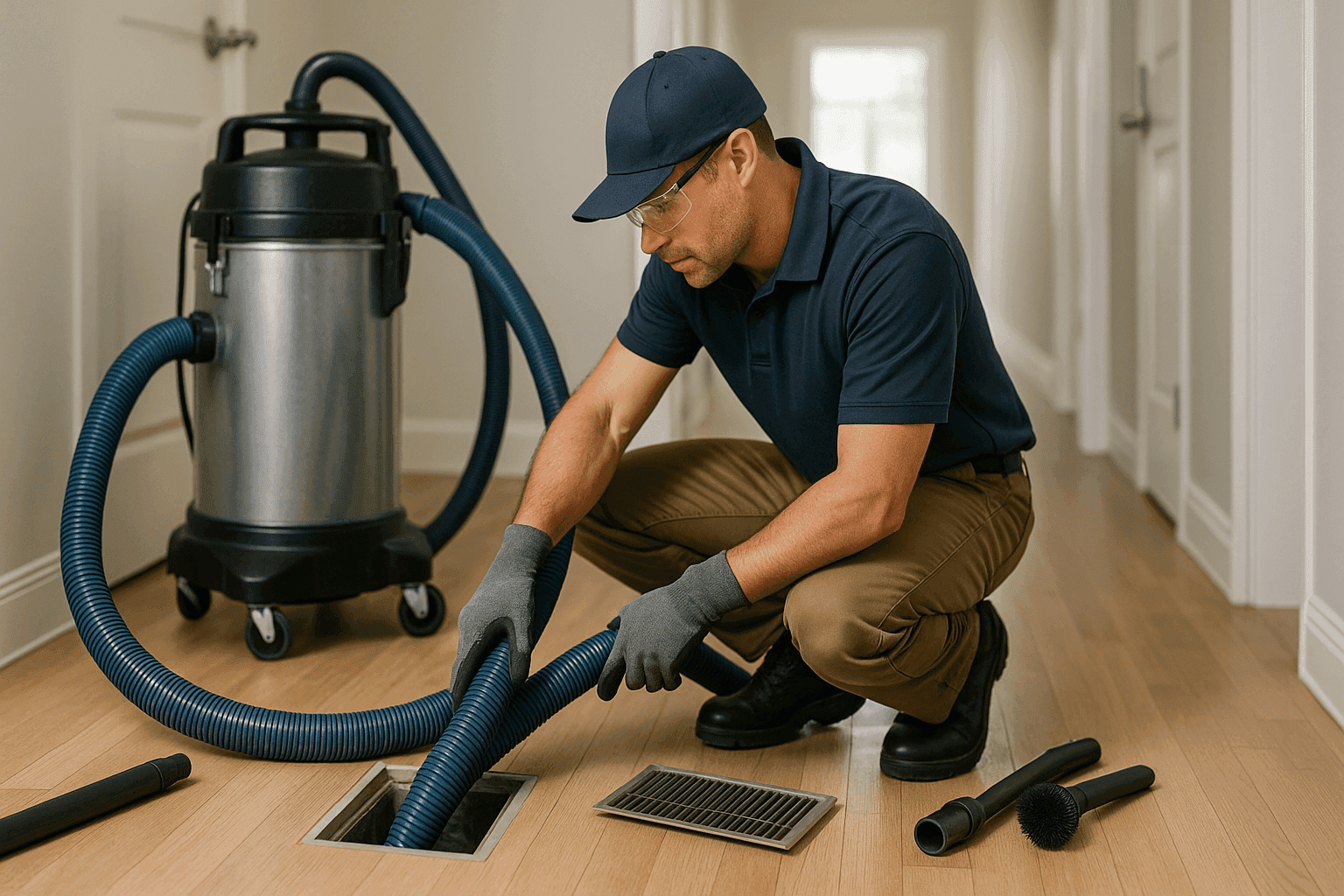
Breathing in dust, battling allergies, or noticing strange smells when your heating or cooling turns on? You’re not alone. Ductwork is the hidden highway for air in your home or business, and when it’s dirty, everyone feels it.
At GOGO Heating, we know how easy it is to forget what you can’t see. But neglected ducts can impact both comfort and safety. If you want fresher air and a more efficient HVAC system, understanding duct cleaning is a great place to start.
What Is Duct Cleaning? 🧹
Imagine your air ducts as the veins of your building—always circulating air, day and night. Over time, dust, pet dander, pollen, and even mold can build up inside. Duct cleaning is the process of removing all those layers of grime and contamination from your home’s or business’s ductwork.
It’s more than just a quick sweep. Professional duct cleaning involves specialized vacuums, brushes, and sometimes advanced HEPA filtration. The goal? To clear out years of buildup so your air is as fresh as possible.
According to the U.S. Environmental Protection Agency (EPA), proper duct cleaning can help maintain indoor air quality, especially if there’s visible mold, pests, or excessive dust. While it’s not always necessary on a routine basis, knowing the signs that it’s time can make a big difference.
Signs Your Ducts Need Cleaning
How do you know it’s time to schedule a duct cleaning service? Watch for these clues:
- Visible dust or debris around vent covers or registers.
- Musty or unpleasant odors coming from your HVAC system.
- Frequent allergy or asthma flare-ups among occupants.
- Mold growth inside ducts or on HVAC components.
- Unexplained spikes in energy bills—dirty ducts can reduce system efficiency.
- Dust blowing out of vents when heating, cooling, or fans kick on.
- Recent renovations (construction dust loves to hide in ducts).
If any of these sound familiar, a deep clean could be overdue.
The Professional Duct Cleaning Process
When you choose GOGO Heating for duct cleaning, here’s what you can expect:
Initial Inspection
Every job starts with a thorough inspection. We check for dust, debris, mold, or visible blockages. Tools like remote cameras let us see deep inside the ductwork.
System Preparation
We protect your floors and furniture, sealing off registers and vents to prevent dust from escaping. Safety always comes first.
Deep Cleaning
- High-powered vacuums are connected to your duct system to pull out dust and debris.
- Rotating brushes and air whips loosen stubborn buildup from the ducts’ inner walls.
- HEPA filtration ensures what’s removed doesn’t get blown back into your space.
- Sanitizing agents (if needed) help address mold or bacteria, following EPA guidelines.
Final Steps
Once cleaning is complete, we double-check airflow and make sure your system is running smoothly. We’ll also make recommendations for keeping your air cleaner in the future.
Benefits for Health and Efficiency 🌬️
Why invest in professional duct cleaning? Here are some real-world rewards:
- Better indoor air quality: Fewer allergens, less dust, and reduced risk of mold exposure.
- Improved HVAC efficiency: Clean ducts mean your system doesn’t have to work as hard, potentially lowering heating and cooling costs.
- Longer system life: Less strain on your furnace, AC, and thermostats means fewer breakdowns.
- Odor reduction: Neutralizes musty or stale smells.
- Cleaner living and working spaces: Less dust settling on furniture and floors.
For both families and businesses, these benefits add up to a healthier, more comfortable space.
How Often Should You Clean? 🔄
There’s no universal answer—frequency depends on usage, environment, and the presence of pets or allergies. The National Air Duct Cleaners Association (NADCA) suggests ducts be inspected every 2–4 years for most homes and commercial properties.
Consider cleaning more often if:
- You have pets that shed.
- Residents have allergies or respiratory issues.
- There’s been recent remodeling or water damage.
- You notice visible dust, debris, or mold.
Routine IAQ testing can help decide when it’s time for a cleaning.
DIY vs. Professional Duct Cleaning
Can you clean ducts yourself? To a point.
- DIY: Homeowners can vacuum vent covers, change filters, and wipe accessible grilles. This helps, but only scratches the surface.
- Professional: Certified technicians use specialized equipment to reach deep into the system, removing stubborn buildup and inspecting for issues like mold or leaks.
Attempting a full duct cleaning without the right tools can stir up more dust than it removes—and may even damage the system. When in doubt, call the pros at GOGO Heating.
Practical Tips for Homeowners & Business Owners
- Change HVAC filters at least every 1–3 months.
- Schedule regular heating maintenance to catch issues early.
- Keep vents and registers clear of obstructions.
- Address leaks or water damage promptly—moisture breeds mold.
- Consider indoor air quality upgrades like air scrubbers or whole-house fans for extra protection.
Safety and Code Considerations
Professional duct cleaning should always follow standards such as those from NADCA and the EPA. This means using HEPA-filtered vacuums, sealing off vents to prevent cross-contamination, and never applying chemical treatments unless absolutely necessary.
Make sure your provider is licensed, insured, and trained in proper safety protocols—especially for commercial or multi-unit properties.
Duct Cleaning Costs & Time Factors
Every building is different, so costs and timeframes vary. Factors include:
- Size of the home or business
- Number of vents and returns
- Severity of buildup (dust, mold, pests)
- Accessibility of ductwork
Most residential jobs take 2–4 hours. Larger commercial projects can take longer. While it’s an investment, the payoff in cleaner air and system efficiency is often immediate.
When Duct Cleaning Is an Emergency 🚨
Sometimes, duct cleaning can’t wait:
- After a fire or smoke event
- Following a flood, burst pipe, or water intrusion
- When mold is visible inside ducts
- If you discover rodents, insects, or nests in the system
In these situations, don’t delay. GOGO Heating offers 24-hour emergency service to restore safe air quickly.
Common Duct Cleaning Questions
Q: Will duct cleaning help with allergies?
A: Yes, especially if dust, pollen, or mold are present. Clean ducts can make a noticeable difference for allergy sufferers.
Q: Does cleaning ducts improve heating or cooling?
A: Cleaner ducts mean better airflow, so your system can heat or cool more efficiently.
Q: Can dirty ducts cause odors?
A: Absolutely. Built-up dust, mold, or pest debris can all create unpleasant smells.
Q: How do I know if my ducts have mold?
A: Look for visible black or green spots near registers, or a persistent musty smell. A professional inspection can confirm.
Local & Seasonal Considerations
Living in the Las Vegas Valley or surrounding areas like Whitney, Nevada? Dust storms, dry air, and seasonal pollen can all contribute to faster duct buildup. Business owners should watch for dust after tenant changes or renovations. Homeowners with pets may need more frequent cleanings, especially before heating season.
If you’re searching for Duct Cleaning near Whitney, Nevada, GOGO Heating is ready to help.
A cleaner, healthier space is just a call away. For professional duct cleaning, heating help, or indoor air quality upgrades, Call GOGO Heating now — or reach us anytime at 844-467-0847 .