How to Know If Your Home Needs Duct Cleaning
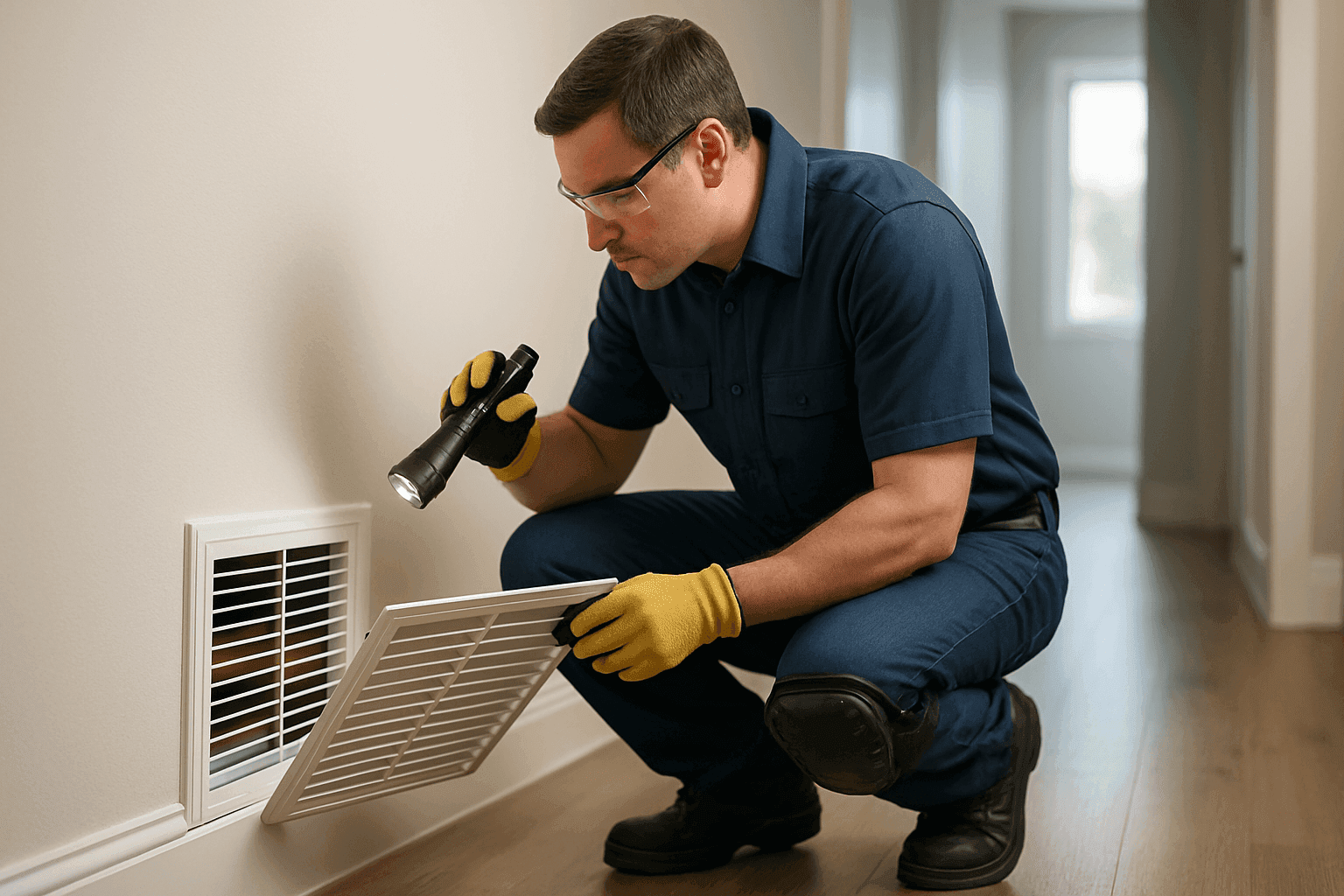
Is your home’s air starting to feel stuffy, stale, or dusty? Maybe you’re sneezing more often, or finding mysterious piles of fluff near your vents. You’re not alone. Many homeowners and businesses wrestle with these signs, often not realizing the culprit is hidden in their ductwork.
At GOGO Heating, we know that what you can’t see can hurt your comfort—and even your health. If you’ve ever wondered whether it’s time for a professional duct cleaning, this guide is for you.
What Are Dirty Ducts? 🦠
Think of your air ducts like the lungs of your building. Just as lungs need clean air to function, your ducts need to be clear to deliver fresh, healthy air. Over time, dust, pollen, pet dander, mold spores, and even small debris can settle inside these passages. According to the EPA, while a small amount of dust is normal, excessive buildup can restrict airflow and lower air quality.
Dirty ducts aren’t always obvious. They hide behind walls, above ceilings, and under floors—quietly collecting what your vacuum leaves behind. In severe cases, moisture inside ducts can foster mold, which then gets blown into every room. Add in the potential for rodent droppings or insect remains, and it’s easy to see why regular maintenance is essential.
Top Signs You Need Duct Cleaning
How can you tell if your ducts are dirty? Watch for these red flags:
- Visible dust puffs when your HVAC kicks on
- Musty, stale, or “old house” smells coming from vents
- Allergy flare-ups or unexplained respiratory issues indoors
- Noticeable mold inside or around air vents
- Frequent filter replacements (filters clog up faster than normal)
- Unusual noises from ductwork—think scratching, fluttering, or rattling
- Uneven heating or cooling between rooms
- Dust layers on furniture just days after cleaning
If your home or business checks off more than one of these, your ductwork may need attention. For a quick reality check, remove a vent cover and peek inside with a flashlight. If you see thick dust, debris, or fuzzy patches, it’s time to act.
Risks of Neglecting Ducts
Ignoring dirty ducts is like ignoring a leaky roof—problems only grow. Here’s what’s at stake:
- Reduced indoor air quality: Dust and allergens get recycled, aggravating asthma and allergies.
- Increased energy bills: Blocked ducts force your heating system to work harder, using more energy.
- Health hazards: Mold spores and bacteria can circulate, especially for immunocompromised people.
- Fire risk: Excessive dust, especially in heating systems, can become a fire hazard per guidelines from the National Fire Protection Association (NFPA).
- Shortened HVAC lifespan: Strained equipment wears out faster, leading to costly repairs or early replacement.
How Cleaning Improves Air Quality
Clean ducts = cleaner air. It’s that simple. When we remove years of accumulated dust and debris, your system can breathe freely again. The result?
- Reduced airborne particles: Fewer triggers for allergies and asthma.
- Elimination of odors: Say goodbye to musty or burnt smells.
- Higher heating efficiency: Warmth spreads evenly, and your thermostat works less overtime (think “Thermostats near you”).
- Peace of mind: You know what’s in your air—and what isn’t.
The American Lung Association recommends regular HVAC maintenance to help maintain healthy indoor air, especially if you have children, elderly occupants, or anyone with chronic conditions.
When to Call a Pro 🛠️
Some tasks are great for a weekend DIY project. Duct cleaning isn’t one of them. Why? Because most household vacuums can’t reach deep enough, and improper cleaning can damage ductwork or spread dust everywhere.
Call a professional when:
- You see visible mold or smell mildew
- You’ve had a rodent or insect infestation
- There are unexplained allergy symptoms at home or work
- Dust keeps returning, no matter how much you clean
- Your heating bills have spiked for no clear reason
A certified technician from GOGO Heating has the right tools and training. We follow industry standards from organizations like the National Air Duct Cleaners Association (NADCA), ensuring a thorough job that protects your air and your wallet.
Safety Tip: Always ask your technician about their cleaning process and equipment. Avoid contractors who suggest chemical sprays or foggers unless absolutely necessary and EPA-approved.
Quick Homeowner Checklist
Before you pick up the phone, here’s what you can do:
- Check your filters: Replace every 1–3 months, or more often if you have pets or allergies. Learn more about proper filter care with our filter services.
- Look for mold or moisture: Around vents, ceilings, and visible ductwork.
- Note any recent renovations: Construction dust often settles in ducts.
- Keep vents clear: Don’t block with furniture or rugs.
How Pros Clean Ducts
What happens when GOGO Heating arrives? Here’s our process:
- Assessment: We inspect your system, looking for problem areas and checking airflow.
- Preparation: We seal off vents and protect your floors and furniture.
- High-powered vacuuming: Using special vacuums and negative pressure equipment, we remove dust, debris, and contaminants.
- Agitation tools: Brushes and air whips loosen stubborn buildup.
- Optional disinfection: For mold or bacteria, we use EPA-registered products only when necessary.
- Final check: We review our work and ensure your system is operating efficiently.
We also recommend IAQ Testing if you’ve had ongoing issues or suspect mold.
Prevention & Maintenance
Want to keep your ducts cleaner, longer? Try these habits:
- Change filters regularly (monthly during heavy use)
- Schedule annual HVAC maintenance with a trusted provider
- Keep humidity below 50% to prevent mold (use dehumidifiers if needed)
- Dust and vacuum your home often, especially around vents and returns
- Seal duct leaks and insulate exposed sections
Regular maintenance isn’t just about comfort—it’s about safety and savings.
Costs & Time Factors
A thorough duct cleaning takes 2–4 hours on average, depending on home size and duct complexity. Commercial spaces may take longer. Costs vary based on system size, accessibility, and whether mold or pest issues are present. For most, it’s a manageable investment that pays off in cleaner air and better heating performance.
Tip: Be wary of “too good to be true” offers. Reputable companies use specialized equipment and trained technicians—not just a shop vac and a smile.
When It’s an Emergency 🚨
Some situations can’t wait. Call for immediate duct cleaning if:
- You see or smell mold near vents
- There’s a sudden spike in allergy or asthma symptoms
- You’ve had a fire or water leak in your home
- You discover an animal has nested or died in your ductwork
In these cases, cleaning is about more than comfort—it’s about protecting your health.
FAQ
1. How often should I clean my ducts?
Most sources, including the EPA and NADCA, recommend every 3–5 years, or more often if you have pets, allergies, or recent renovations.
2. Will duct cleaning help with allergies?
Yes—by removing dust, pollen, and dander, cleaning can reduce allergy triggers and improve breathing.
3. Can I clean my ducts myself?
Basic vent cleaning is fine, but deep cleaning requires special tools and expertise.
4. Does duct cleaning damage my HVAC system?
When done by a certified professional, it’s safe and can extend your system’s life.
Local & Seasonal Considerations
In Garland, Texas, where dust storms and high pollen counts are common, duct cleaning is especially important. Seasonal transitions—like the start of heating season—are ideal times for a checkup. For more on local service, see Duct Cleaning near me in Garland, Texas.
Cleaner ducts mean healthier air, lower bills, and peace of mind. If you’re ready to breathe easier at home or work, don’t wait.
Call GOGO Heating now — or reach us anytime at 844-467-0847 .