What to Expect During 24 Hour Emergency Heating Service
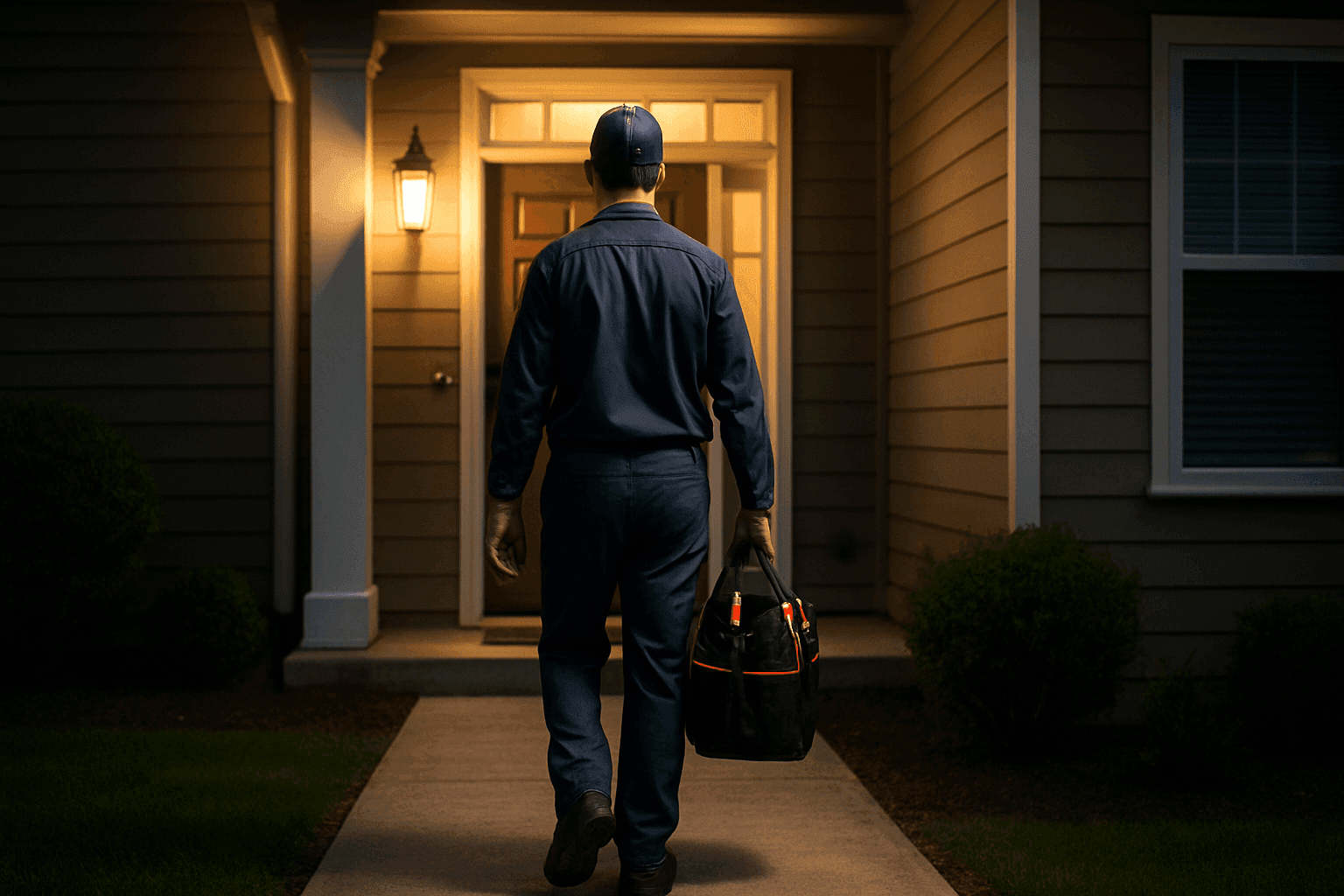
When your heat goes out, the air inside your building can turn from cozy to cold in the blink of an eye. It happens fast. At GOGO Heating, we know how stressful it feels when temperatures drop and your heating system stops working. Whether it’s your home, a business, or a property you manage, a heating problem is more than just an inconvenience—it’s urgent.
We’re here to guide you through what happens during a 24 hour emergency heating service call. Knowing what to expect helps you stay calm, make smart decisions, and get your space warm again as quickly as possible.
What Qualifies as a Heating Emergency? 🕒
Not every heating hiccup is an emergency. So, what’s the difference between a nuisance and a true crisis? Think of it like a flat tire versus a car accident: one can wait, the other can’t.
A heating emergency usually means:
- Your furnace or boiler stops working completely during freezing weather.
- You smell gas or suspect a carbon monoxide leak (call 911 first in this case).
- Electrical problems threaten your safety or property.
- Heat loss risks damage to pipes, pets, or vulnerable residents (young children, elderly, or those with health issues).
- A commercial site can’t safely open for business due to lack of heat.
If you’re unsure, err on the side of caution. When in doubt, call for advice—better safe than sorry.
The 24-Hour Service Process
When you reach out for 24 Hour Emergency Service near me, you’re not just getting a fast fix. You’re plugging into a process built for clarity and safety. Here’s what happens:
- You Call: We listen to your concerns, ask a few fast questions, and confirm your contact and location.
- Dispatch: A trained technician is assigned and heads your way, day or night.
- Arrival: Our technician arrives in a clearly marked vehicle, with ID, ready to get to work.
- Assessment: We inspect your system, look for obvious safety risks, and diagnose the root cause.
- Action: Once we know what’s wrong, we’ll explain your options and get right to work—whether it’s heating repair, hvac repair, or other critical services.
- Resolution: We restore heat safely, clean up our work area, and answer any lingering questions.
Throughout, you’ll be kept in the loop. No surprises—just a straightforward path back to warmth.
What to Prepare Before Tech Arrives
A little prep can speed up the fix. Here’s how you can help:
- Clear a path: Move obstacles away from your furnace, boiler, or thermostat.
- Know your system: Jot down the make and model if you can. Have past service records handy.
- Secure pets: Keep animals safely away so techs can work quickly and safely.
- Note any symptoms: Did you hear strange noises? Smell something odd? Share all the details when you call.
- Stay safe: If you suspect a gas leak, leave the area immediately—safety first.
For emergencies, every second counts. These simple steps help us help you faster.
How Techs Restore Heat Quickly and Safely 🛠️
Restoring heat isn’t just about flipping a switch. It’s a bit like a detective story—following clues, ruling out suspects, and acting with care.
Here’s what our technicians do:
- Visual inspection: We look for obvious hazards—like burnt wires, disconnected ducts, or water near electrical parts.
- System testing: We check thermostats, control boards, igniters, and safety switches.
- Code adherence: Repairs are made in line with standards from the International Residential Code (IRC) and local safety ordinances.
- Parts replacement: If a part is worn or failed, we’ll swap it out using approved replacements.
- Thorough checks: Before leaving, we run your system through a full cycle to ensure everything operates as it should.
We don’t leave until your system’s safe to run. If there’s a bigger issue—like a cracked heat exchanger or unsafe wiring—we’ll explain the next steps clearly.
Quick Safety Checklist Before Help Arrives
- Turn off the main power to your heating system if you notice smoke or burning smells.
- Don’t try to relight pilot lights if you smell gas—leave and call emergency services.
- Keep children and pets away from the affected area.
- Use space heaters only if you’re confident they’re safe and plugged directly into the wall.
For specifics, consult your manufacturer's safety instructions or the U.S. Consumer Product Safety Commission.
DIY vs. Call a Pro
It’s tempting to tinker when you’re cold. But heating systems aren’t like resetting your Wi-Fi router. Many repairs require special tools and training.
DIY fixes:
- Check your thermostat batteries.
- Ensure circuit breakers aren’t tripped.
- Replace accessible air filters.
Call a pro for:
- Gas odors
- Repeated system shutdowns
- Electrical sparks or water leaks
- Unusual noises or smoke
When in doubt, don’t risk it. Heating emergencies are a job for professionals.
What Pros Do On Arrival
Once we’re on site, the clock starts. Here’s a peek behind the curtain:
- Safety first: We check for immediate dangers—gas leaks, electrical hazards, or carbon monoxide.
- Diagnostics: Using tools like multimeters and combustion analyzers, we pinpoint the fault.
- Explain & act: We’ll break down the issue in plain English and tell you what needs fixing.
- Restore & verify: After repairs, we test the system thoroughly—no half-measures.
We work methodically, but always with urgency. Your comfort and safety come first.
Prevention & Maintenance
Most emergencies can be prevented with regular maintenance. Think of it like brushing your teeth: a little attention saves a lot of pain later.
- Schedule annual heating maintenance and filter changes.
- Ask about IAQ testing and air balancing to catch issues early.
- Get a home energy audit to spot hidden vulnerabilities.
A well-maintained system runs safer, lasts longer, and is less likely to leave you shivering when you least expect it.
Costs & Time Factors
We know cost is always top of mind. Emergency heating repairs typically cost more than standard calls due to after-hours labor and the urgency involved. Time on site can range from under an hour for simple fixes, to several hours for more complex repairs.
What affects cost and time?
- System age and complexity
- Availability of parts
- Severity of the problem
- Time of day or night
We’ll always explain your options before proceeding, so you’re never left in the dark.
When It’s an Emergency
If you’re ever unsure, ask yourself:
- Is there a threat to health or safety?
- Is property (like pipes or electronics) at risk?
- Will delaying repairs worsen the problem?
If the answer is “yes” to any of these, it’s time to call for 24-hour emergency service.
FAQ
Q: How fast can a technician arrive?
A: Response times depend on your location and the time of day, but our team is available 24/7 and dispatches as quickly as possible.
Q: What should I do if I smell gas?
A: Leave your building immediately and call emergency services. Don’t use electrical switches or phones inside.
Q: Will my heat be restored on the first visit?
A: In most cases, yes. Occasionally, rare parts may need to be ordered, but we’ll provide a safe temporary solution whenever possible.
Q: Do I need to be present for the repair?
A: For safety and communication, someone over 18 should be present to authorize access and approve repairs.
Local & Seasonal Considerations ❄️
Heating emergencies don’t follow a calendar, but winter always brings a rush. If your area is experiencing a cold snap, expect higher call volumes. The best defense? Schedule preventive heating maintenance before winter starts, and keep your system’s info handy.
For those searching “Thermostats near you,” be aware some issues can be traced to simple thermostat malfunctions—a quick fix for a trained tech.
If your heat’s out, don’t wait in the cold. Call GOGO Heating now — or reach us anytime at 844-467-0847 . We’re here when you need us—day or night.