Benefits of Whole-House Fans for Natural Cooling
When the heat settles in, your home or business can feel like an oven that just won’t cool off. Maybe your air conditioning works overtime, or your fans barely make a dent. That’s where we come in. At GOGO Heating, we know how crucial dependable, affordable cooling is—especially when every degree counts.
Whole-house fans are rising in popularity for a simple reason: they’re practical, powerful, and can dramatically cut energy bills. Let’s unpack how these fans work and why they might be the missing piece in your comfort puzzle.
How Whole-House Fans Work 🌬️
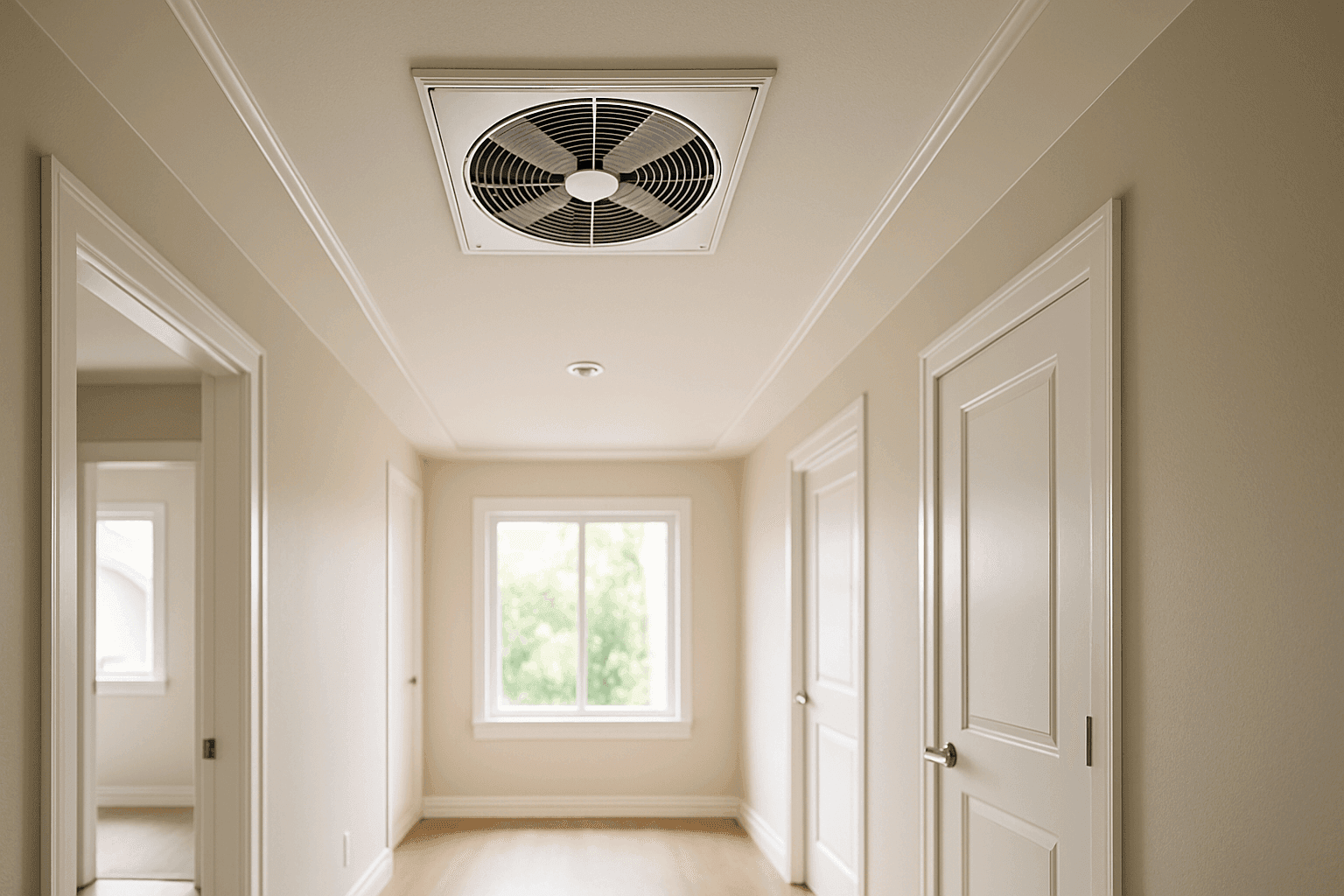
Imagine your home as a big balloon. On a hot evening, the air inside is stuffy and stale, but outside, it’s finally cooling down. A whole-house fan acts like a gentle giant, pulling that hot, trapped air up and out through your attic, while drawing in fresh, cool air from open windows below.
- Placement: Whole-house fans are typically installed in a central hallway ceiling.
- Operation: When switched on, they create a steady upward breeze, exhausting heat through attic vents.
- Timing: Best used in the early morning or evening when outdoor air is coolest.
Unlike standard ceiling fans, these systems move much more air—sometimes as much as 6,000 cubic feet per minute. That’s like trading in a paper fan for a turbo-charged wind tunnel, all while using less electricity than most air conditioners.
Benefits for Homes and Small Businesses
Whole-house fans are more than just big fans. They’re a smart investment for homeowners and small business owners alike.
Energy Savings
- Lower Utility Bills: By using natural outdoor air for cooling, you can run your air conditioner less, saving up to 50–90% on cooling costs according to the U.S. Department of Energy.
- Efficient Performance: These fans use a fraction of the electricity of traditional AC units.
Comfort and Air Quality
- Fresh Air Exchange: Stale indoor air is quickly replaced, reducing odors and improving overall air quality. This is especially valuable if you’re concerned about indoor air pollution or allergens.
- Even Cooling: No more hot or cold spots—just a consistent, comfortable temperature throughout the building.
Longevity and Low Maintenance
- Fewer AC Repairs: Less reliance on your air conditioner means less wear and tear.
- Quiet Operation: Modern whole-house fans are designed to be as quiet as a whisper, so your evenings stay peaceful.
Added Value
- Thermostats near you can help automate the process, making it even easier to optimize comfort and savings.
- Versatile: Works well in both homes and small commercial spaces—think offices, workshops, or retail stores.
Installation Process Overview 🛠️
Getting a whole-house fan installed isn’t a weekend DIY project, but it’s straightforward when handled by professionals like GOGO Heating.
Step 1: Assessment
- Home Energy Audit: Before installation, a thorough evaluation ensures your home or business is a good fit. We check insulation, attic ventilation, and electrical capacity. See more about home energy audits.
Step 2: Planning
- Sizing: Choosing the right size is crucial for performance and efficiency.
- Placement: The fan is typically centered in a hallway ceiling for maximum airflow.
Step 3: Installation
- Cutting and Framing: A precise cut is made in the ceiling. Support framing is added if needed.
- Electrical Setup: Safe, code-compliant wiring connects the fan to your system.
- Attic Ventilation Check: Adequate attic venting is essential for safe operation, as recommended by the International Residential Code (IRC).
Step 4: Testing
- System Test: We make sure the fan runs smoothly, quietly, and efficiently.
- Instruction: You’ll receive clear guidance on operation and maintenance.
Want more details? Explore our HVAC installation services for a closer look at our step-by-step approach.
Maintenance and Efficiency Tips
A whole-house fan is like a car: a little upkeep keeps it running smoothly for years.
- Regular Cleaning: Dust can build up on fan blades, reducing efficiency and air quality. Clean the blades and grill seasonally.
- Check Attic Vents: Ensure vents are clear of debris and insulation for proper airflow.
- Inspect Belts and Motor: Listen for unusual noises or vibrations. Lubricate moving parts as needed.
- Test Controls: Verify switches and thermostats function properly.
For safety, always turn off power at the breaker before any maintenance. If you notice issues, call a professional for a quick checkup.
When a Whole-House Fan Is a Good Choice 🌡️
Is a whole-house fan right for your home or business? Here’s when they really shine:
- Mild Climates: Perfect for areas with cool nights and warm days. If your evenings cool off, you’ll see the biggest benefits.
- High AC Bills: If your energy costs are rising, a whole-house fan can help curb those expenses.
- Indoor Air Quality Needs: Want to quickly ventilate after cooking, cleaning, or renovations? These fans rapidly exchange indoor air for outdoor freshness.
- Supplemental Cooling: Already have AC? Use the fan during mild weather and save your AC for the hottest days.
Not sure if you’re a good fit? We can evaluate your space, or you can learn more about Whole-House Fans for local considerations.
Practical Safety and Code Considerations
- Follow Local Codes: Every installation must meet the National Electric Code (NEC) and local building codes.
- Attic Venting: Adequate attic venting is non-negotiable; without it, fans can create backpressure or draw dangerous gases from combustion appliances.
- Fire Safety: Never operate a whole-house fan during a wildfire or heavy outdoor pollution event, as it can draw contaminants indoors.
Always consult a licensed contractor for installation and code compliance.
Common Questions About Whole-House Fans
How noisy are whole-house fans?
Modern models are designed for quiet operation, often emitting no more than a gentle hum. Proper installation and sizing help minimize noise.
Can a whole-house fan replace my air conditioner?
In many homes, yes—for much of the year. However, during extreme heat waves, you may still need your AC for maximum comfort.
Are they safe for homes with gas appliances?
Yes, if installed correctly with adequate venting. Proper air sealing and carbon monoxide alarms are important.
Do they work in humid climates?
They work best in dry or moderate climates with cool nights. In high humidity, benefits may be less noticeable.
Local and Seasonal Considerations
Whole-house fans are most effective in climates where evening temperatures drop below indoor levels. In our area, late spring and early fall are prime times. Be sure to check pollen counts and outdoor air quality before running your fan, especially during allergy season or air advisories.
Final Thoughts
Whole-house fans offer a cost-effective, natural way to cool your home or business. They refresh indoor air, cut energy bills, and reduce the load on your existing HVAC system. If you’re curious about the benefits, or want a professional assessment, GOGO Heating is here to help.
Call GOGO Heating now — or reach us anytime at 844-467-0847 .