What Is a Home Energy Audit and How Does It Work?
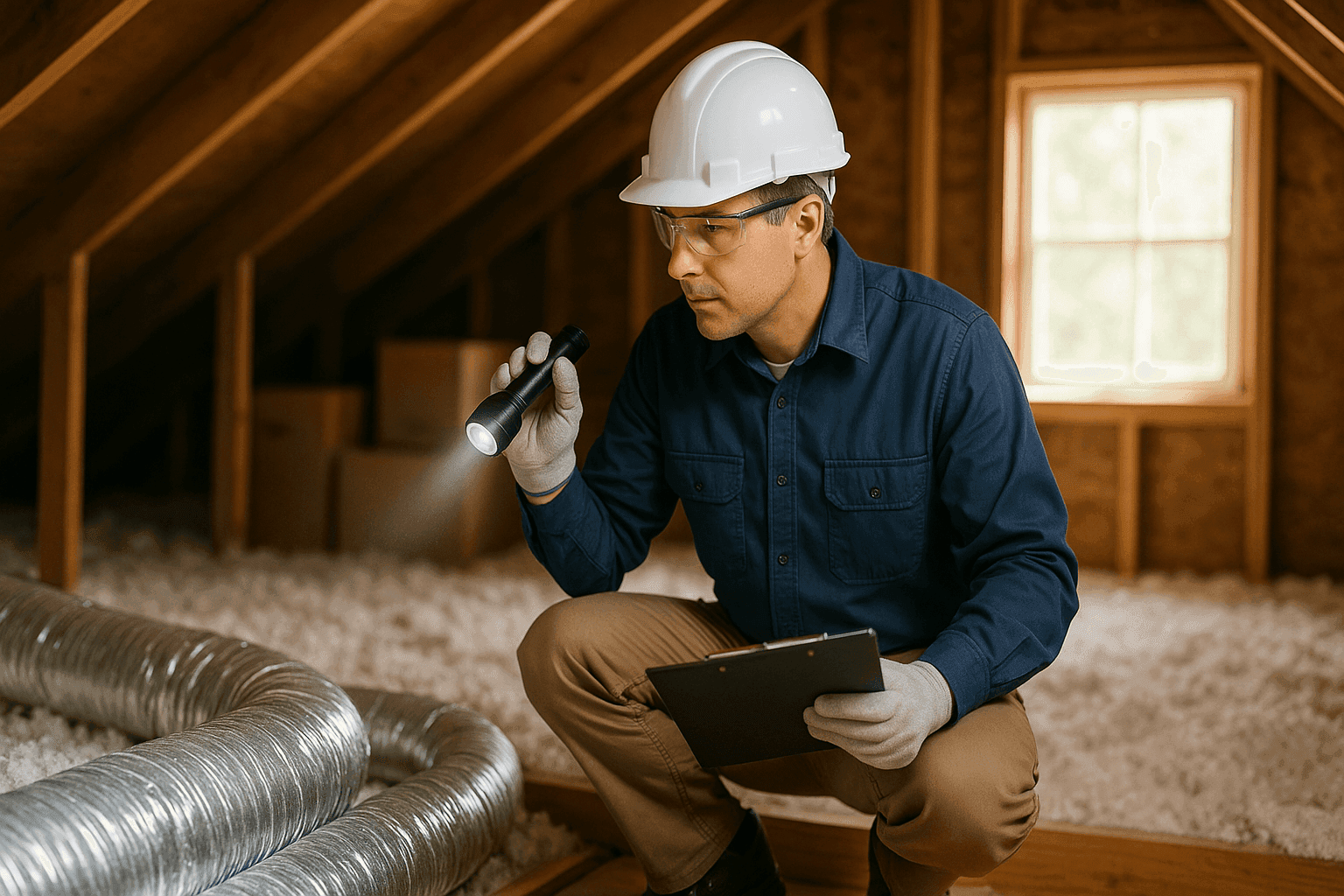
Is your home or business losing heat when it shouldn’t? Ever wonder why some rooms are stuffy while others freeze? Most people don’t realize how much energy—and money—can slip away through small leaks and overlooked details. At GOGO Heating, we help you uncover those silent energy thieves.
An energy audit is one of the smartest first steps to making your space more comfortable, healthy, and efficient. Let’s break down what a home energy audit really is, how it works, and why it matters for both homeowners and business owners.
What Is a Home Energy Audit? 🕵️
Think of a home energy audit as a checkup for your building. Just like a doctor listens to your heart and checks your blood pressure, an energy auditor inspects everything that affects how your home or business uses (and loses) energy.
The goal: Find the weak spots. Drafty windows, leaky ducts, old thermostats, and worn-out insulation can all drain your comfort and your wallet. A professional energy audit locates these troublemakers so you can fix them—often for less than you think.
Energy audits aren’t just for older homes. Modern buildings can have hidden issues too. And for businesses, small tweaks can mean big savings over time.
What Auditors Check
When you schedule a home energy audit with GOGO Heating, expect a thorough, hands-on process. Here’s what most audits cover:
- Insulation: Is it thick enough? Installed properly?
- Windows & Doors: Any drafts, cracks, or gaps?
- Heating & Cooling Systems: Are your furnace, air conditioner, or geothermal systems working efficiently?
- Thermostats: Are they accurate and in the right spots?
- Air Ducts: Are they clean, sealed, and balanced?
- Filters: Are they replaced regularly and the right type for your system?
- Indoor Air Quality: Is humidity under control? Any signs of mold or contaminants?
- Lighting & Appliances: Are you using energy hogs or efficient models?
- Ventilation: Is air moving where and when it should?
A good auditor uses tools—like infrared cameras, blower doors, and smoke pencils—to spot what your eyes might miss.
Key Steps in the Process
Here’s how a typical home energy audit unfolds from start to finish:
1. Pre-Audit Interview
You’ll answer questions about your home or business: Where do you feel drafts? Are energy bills rising? Any comfort issues? This helps the auditor focus on what matters most to you.
2. Exterior Inspection
The auditor checks outside—looking for gaps, damaged siding, worn-out weatherstripping, or anything that might let heat escape or creep in.
3. Interior Evaluation
Inside, all the critical areas get a close look:
- Attics and crawlspaces for insulation
- HVAC systems for performance and maintenance needs
- Thermostats for placement and calibration
- Filters for cleanliness and correct type
4. Diagnostic Testing
- Blower Door Test: A special fan pulls air out of your house, revealing leaks you can’t see but definitely feel.
- Thermal Imaging: An infrared camera spots cold spots and insulation gaps.
- Airflow & Balancing: Ensures every room gets its fair share of comfort.
5. Review & Report
You’ll get a clear, detailed report. No technical mumbo-jumbo—just practical findings, photos, and prioritized recommendations.
Benefits of an Energy Audit
Why bother with an audit? Because guesswork costs you more. Here’s what you gain:
- Lower Energy Bills: Sealing leaks and upgrading insulation can slash heating and cooling costs.
- Better Comfort: No more hot-and-cold rooms or uneven airflow.
- Healthier Air: Improved filters and duct cleaning reduce allergens and dust.
- Eco-Friendly: Less wasted energy means a smaller carbon footprint.
- Longer System Life: Regular HVAC maintenance and timely repairs prevent costly breakdowns and extend equipment life.
- Peace of Mind: You’ll know exactly where your money and energy are going.
What to Do with Your Results
So you’ve got your audit report—now what? Don’t feel overwhelmed. The best approach is to tackle issues in order of impact and affordability.
Quick Wins
- Replace old filters. Clean filters help your systems breathe easy. (See our filters service for help.)
- Seal up quick leaks with caulk or weatherstripping.
- Adjust your thermostat for smarter, more efficient heating.
Bigger Fixes
- Upgrade insulation in attics or crawlspaces.
- Repair or replace aging HVAC systems.
- Invest in smart thermostats for precise control.
For Business Owners
- Schedule regular duct cleaning and IAQ testing.
- Consider energy-efficient lighting upgrades.
- Plan for periodic Home Energy Audits near Arnold to keep your building running at its best.
Real-World Tips
- Change air filters every 1–3 months, more often if you have pets or allergies.
- Don’t block vents with furniture or curtains—airflow is key!
- Schedule annual HVAC maintenance before peak heating or cooling seasons.
- Check the U.S. Department of Energy’s recommendations for insulation and energy safety.
- Make sure any upgrades meet local building codes and manufacturer guidelines.
Frequently Asked Questions
How often should I schedule a home energy audit?
Most homes and businesses benefit from an audit every 3–5 years, or after major renovations.
Do I need to leave the house during the audit?
No. You can stay home. The process is safe and non-invasive.
Will an energy audit disrupt my daily routine?
A typical audit takes 2–4 hours. We work around your schedule.
Can I do any part of this myself?
You can spot basic leaks and change filters, but specialized tools and training mean pros catch what you might miss.
Summing Up
A home energy audit isn’t just about saving money—it’s about living and working comfortably, breathing cleaner air, and making smart choices for the future. GOGO Heating brings years of experience and a full toolkit to every audit, for homes and businesses alike.
Ready to stop guessing and start saving?
Call GOGO Heating now — or reach us anytime at 844-467-0847 .