Understanding HVAC Installation: Steps & Best Practices
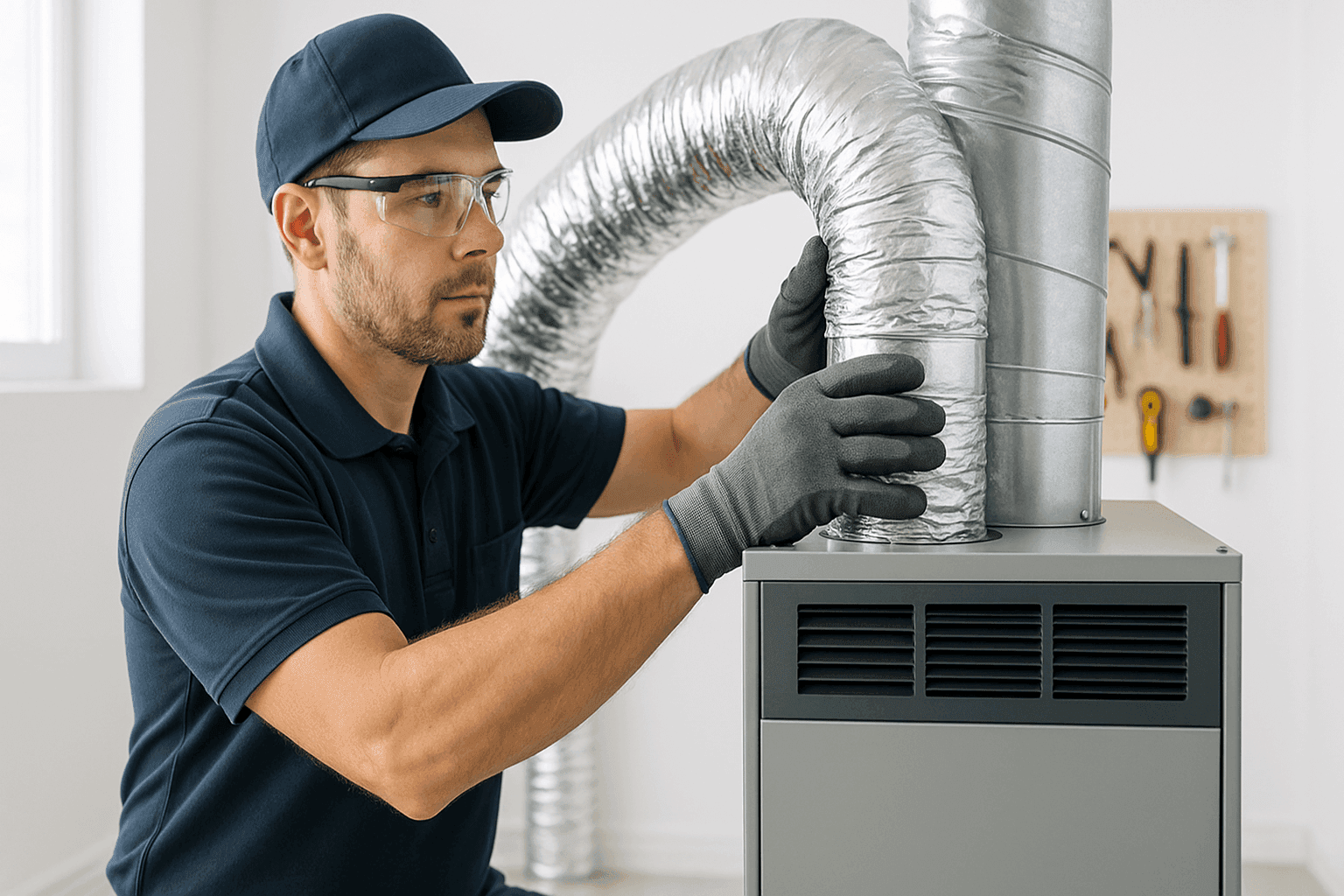
Is your HVAC system wheezing through another season? Or maybe you're setting up a new property and want to start off right. The world of heating and air can feel like a maze—choices, codes, and costs all tangled together.
At GOGO Heating, we know that a new HVAC installation is more than just a major investment. It's the heartbeat of your indoor comfort. Whether you're a homeowner or manage a commercial space, the right installation sets the tone for years of efficient, reliable heating and cooling.
When to Consider HVAC Installation ❄️
Sometimes, a repair just won't cut it. Here are clear signs it might be time for a new system:
- Endless Repairs: If you're calling for furnace or AC repairs more than twice a year, it's like patching a leaky boat.
- Skyrocketing Bills: Older systems lose efficiency. If your energy bills are climbing with no clear cause, your system may be the culprit.
- Uneven Heating or Cooling: Are some rooms an oven while others feel like the Arctic? Poor airflow and aging equipment often share the blame.
- Strange Noises or Smells: Banging, rattling, or musty odors aren’t just annoying—they can signal deeper issues.
- Upgrading or Expanding: Renovating or adding on? Your old HVAC might not keep up with the new demands.
It’s not just about comfort. According to the U.S. Department of Energy, modern HVAC equipment can reduce energy consumption by 20–40% compared to older models.
Planning Your HVAC Project
Solid planning is the anchor of a smooth installation. Here’s what to keep in mind:
Set Your Goals
- Efficiency: Look for ENERGY STAR®-rated systems.
- Air Quality: Consider add-ons like air scrubbers, dehumidifiers, or humidifiers.
- Zoning: Multi-story homes or large offices benefit from zoning for custom comfort.
Evaluate Your Space
Every building is unique. A thorough load calculation (Manual J) ensures your system is sized just right. Too small? It'll run constantly. Too big? Short cycles, wasted energy, and uneven temps.
Check Local Codes & Permits
HVAC isn’t plug-and-play. Municipal codes require specific safety measures and permits. Skipping this step can mean fines or voided warranties. The International Mechanical Code (IMC) and ASHRAE standards guide safe installation practices.
Choose Your Installer Wisely
Not all contractors are created equal. Look for:
- NATE-certified technicians
- Proof of insurance and licensing
- Clear communication and detailed quotes
You can review our HVAC Installation near me page for more about our approach.
Build in the Extras
Want air balancing, smart thermostats, or custom sheet metal ductwork? Plan these now. Retrofits later can cost more and disrupt your space.
What Happens on Installation Day 🔧
The big day arrives. Here’s what you can expect—no smoke and mirrors:
Arrival & Prep
- Crew arrives and reviews the plan with you.
- Protective coverings go down to protect floors and furniture.
- Power to the old system is safely shut off.
Removal of Old Equipment
- Old units, ducts, and thermostats are carefully disconnected.
- Components are disposed of according to local regulations (no shortcuts).
Sheet Metal & Ductwork
- New duct sections or custom sheet metal is measured and installed for a tight fit. This ensures efficiency and quiet operation.
Setting the New System
- New HVAC equipment is placed, leveled, and anchored.
- Connections for gas, electrical, and refrigerant lines are made with safety and code compliance in mind.
Thermostats & Controls
- Smart thermostats are installed and synced with your system.
- Settings are customized for your comfort and schedule.
System Startup
- The team powers up the system, checks for leaks, and calibrates airflow.
- All safety switches and sensors are tested.
Post-Install Testing and Maintenance
A quality installation doesn’t end when the tools are packed up.
Testing & Balancing
- Airflow is balanced room by room. Like tuning a guitar, each vent needs the right adjustment.
- Indoor air quality (IAQ) is tested if requested.
- Filter slots, air scrubbers, and whole-house fans are checked for proper operation.
Safety Checks
- Carbon monoxide detectors are tested near furnaces and boilers.
- Gas lines and electrical connections are inspected for code compliance.
Owner Walkthrough
Before leaving, your installer should:
- Explain system basics and maintenance routines.
- Show you how to use your new thermostat.
- Share filter replacement schedules and tips.
Maintenance Plans
Regular tune-ups keep warranties valid and catch small issues before they balloon. Consider an annual service plan for peace of mind. See our heating installation and sheet metal services for more.
Tips for a Smooth Process 📝
No one wants surprises. Here’s how to keep your project on track:
- Clear Communication: Ask questions. Good installers welcome them.
- Schedule Wisely: Plan your install during milder weather if possible to avoid discomfort.
- Declutter: Move furniture and valuables away from work zones.
- Keep Pets & Kids Safe: Set up a safe space away from the action.
- Review the Quote: Make sure it covers equipment, labor, permits, and haul-away.
If you’re unsure, ask for references or examples of past projects.
Quick Safety Checklist
Safety isn’t just a box to check—it's the foundation of every install. Here’s what to look for:
- Proper handling and disposal of refrigerants per EPA regulations.
- All gas and electrical connections inspected by a licensed pro.
- Ducts sealed to prevent leaks and improve indoor air quality.
- Combustion appliances vented to code to prevent CO buildup.
- System startup verified with manufacturer instructions.
For more, review guidelines from the U.S. Environmental Protection Agency (EPA) and the Occupational Safety and Health Administration (OSHA).
DIY vs. Call a Pro
Thinking about tackling HVAC installation yourself? It’s tempting, but the risks are real:
- Code Violations: Missteps can lead to failed inspections and costly re-dos.
- Warranty Voids: Manufacturers often require pro installation.
- Safety Risks: Electrical, gas, and refrigerant work demand special training.
DIY is great for paint or shelves. For heating, cooling, and indoor air quality, a licensed professional is the safest choice.
What Pros Do On Arrival
When GOGO Heating arrives, you get more than tools and trucks:
- Confirm project scope and answer last-minute questions.
- Verify existing electrical and gas service.
- Double-check equipment specs and model numbers.
- Walk through planned duct or sheet metal changes.
- Protect your property with drop cloths and shoe covers.
Our priority: Safe, code-compliant installation with no loose ends.
Prevention & Maintenance
After installation, regular care makes all the difference:
- Change filters every 1–3 months (or as recommended).
- Schedule annual maintenance for your heating and cooling system.
- Check thermostats and sensors for accuracy.
- Keep outdoor units clear of debris and snow.
- Have ducts cleaned and sealed every few years for best performance.
A little prevention goes a long way. It’s like oil changes for your car—neglect leads to breakdowns.
Costs & Time Factors
Budgets matter. Here’s what influences the price and timeline:
- System Size: Bigger homes and businesses need larger (and more costly) systems.
- Type of Equipment: Geothermal, radiant heating, and high-efficiency models cost more upfront but save long-term.
- Ductwork Condition: Replacing or upgrading ducts can add to both cost and time.
- Permits & Inspections: Required for legal, safe operation.
- Complexity: Multi-zone systems, custom sheet metal, or indoor air quality upgrades add steps.
Typical installs take 1–3 days. Complex projects may run longer.
When It’s an Emergency
Sometimes, waiting isn’t an option. If your heating fails during a cold snap or your AC dies during a heatwave, GOGO Heating offers 24 hour emergency service. We triage your situation, bring the essentials, and get you back to comfort as quickly and safely as possible.
FAQ
How long will my new HVAC system last?
With proper maintenance, most systems run efficiently for 15–20 years.
Do I need to replace my ductwork when installing a new HVAC?
Not always. If your ducts are leaky, undersized, or made of outdated materials, replacement or repair may be recommended.
How can I improve my indoor air quality during installation?
Consider add-ons like air scrubbers, dehumidifiers, and advanced filters. Ask about IAQ testing options.
Can I use my old thermostat?
Sometimes. But for best efficiency and features, a new programmable or smart thermostat is a smart choice.
Local and Seasonal Considerations 🌦️
Weather swings can put extra stress on your HVAC system. In extreme climates, higher-efficiency models and extra insulation pay off. Smart thermostats near you can help smooth out temp swings and lower bills, too.
If you live in a region with wildfire smoke or pollen, consider advanced filtration or air scrubber options. And always check with your installer about local rebate programs for high-efficiency heating installation.
Ready to start your HVAC project—or need urgent help? Call GOGO Heating now — or reach us anytime at 844-467-0847 .