Top Heating Mistakes Homeowners Make (And How to Avoid Them)
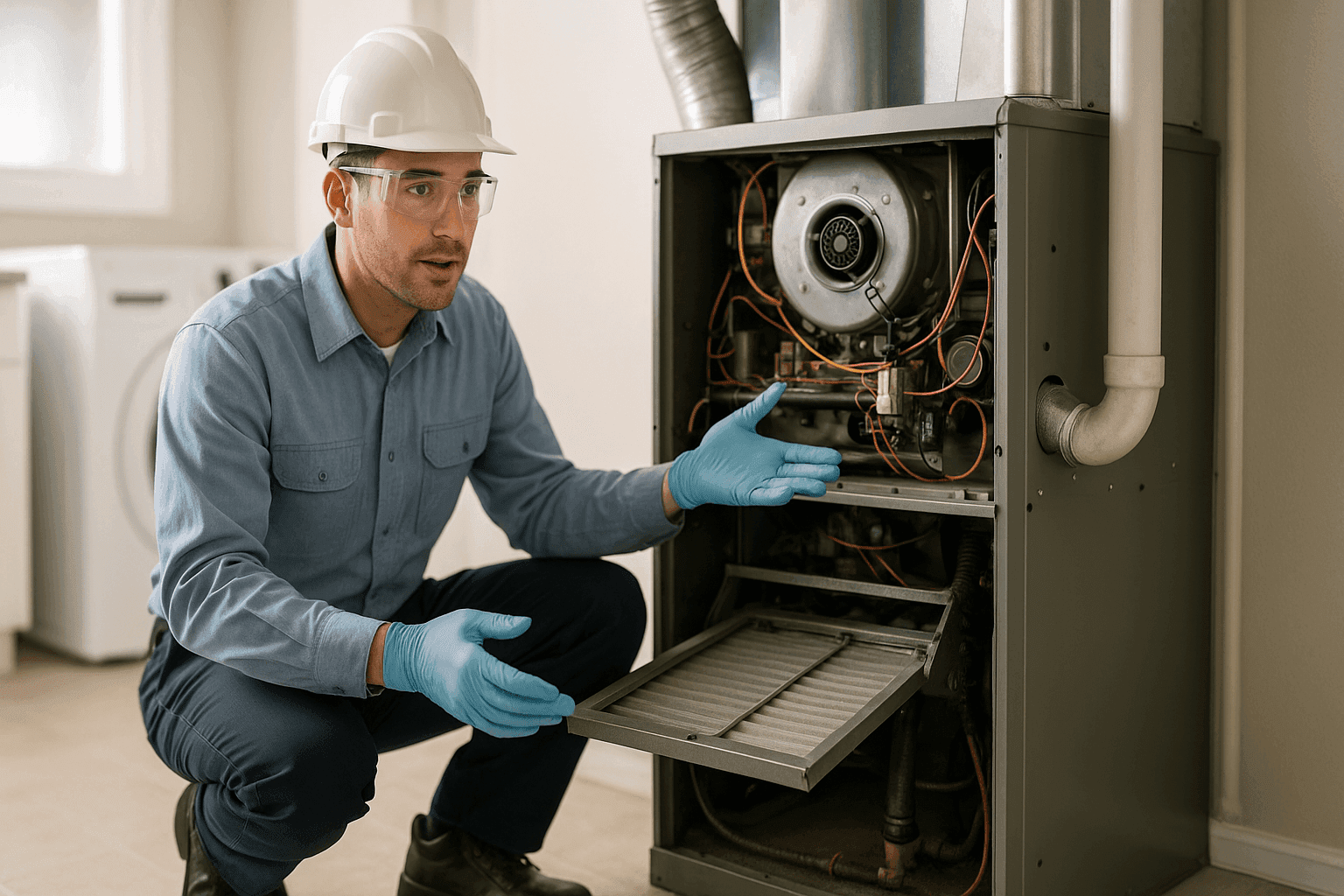
Staying warm shouldn’t leave you out in the cold—literally or financially. Homeowners and property managers often have the best intentions, but certain heating mistakes can turn cozy comfort into a costly repair bill or safety hazard.
At GOGO Heating, we’ve seen it all: from neglected filters clogging up airflow, to incorrect thermostat settings causing wild temperature swings. The good news? Most heating missteps are avoidable—with a little knowledge and the right support.
Most Common Heating Mistakes 🏠
Heating your home or business seems simple. You set the thermostat, enjoy the warmth, and go about your day. But small oversights can snowball into big problems. Here are the blunders we see most often:
- Skipping regular heating maintenance. Dust, debris, and worn parts can quietly pile up, choking system efficiency.
- Ignoring dirty or clogged filters. Like trying to run a marathon with a stuffy nose—your furnace can’t breathe.
- Cranking the thermostat up too high. It won’t heat faster; it only wastes energy and stresses your system.
- Blocking vents and registers. Furniture or drapes over vents? Airflow is stifled, rooms heat unevenly, and the heater works overtime.
- Delaying furnace repairs. That strange noise or odd smell isn’t going away on its own.
- Trying to DIY complex HVAC repairs. Today’s systems are intricate, with safety codes for a reason.
- Neglecting air quality checks. Poor indoor air can affect health and system longevity.
- Forgetting about filter changes. Even the best systems need clean filters to function right.
How These Mistakes Happen
It’s easy to see why heating slip-ups occur. Life gets busy. Heating systems are often out of sight, out of mind—until there’s a problem. Sometimes, it’s just not clear what needs doing, or when.
- Lack of reminders. Without a regular schedule, filter swaps or tune-ups fall through the cracks.
- Misunderstanding thermostats. Modern programmable thermostats near you are powerful, but only if set up right.
- Misinformation. Online forums can lead folks astray with risky shortcuts.
- Budget worries. Skipping routine service to save money often leads to bigger expenses later.
Best Practices for Prevention 🔧
Keeping your heating system healthy doesn’t have to be complicated. Think of it like brushing your teeth: small, regular actions prevent big headaches.
- Schedule annual heating maintenance. Professional inspections catch issues early. Heating Maintenance is your system’s yearly checkup.
- Change filters regularly. Most homes need a new filter every 1–3 months. If you have pets or allergies, more often is better.
- Keep vents and registers clear. Leave at least a foot of space for airflow.
- Use thermostats wisely. Set to a comfortable, efficient temperature (typically 68–70°F when occupied).
- Watch for warning signs. Odd noises, uneven heat, or unexpected spikes in energy bills? Don’t ignore them.
- Test carbon monoxide detectors. According to the U.S. Consumer Product Safety Commission, every home with fuel-burning appliances should have working detectors.
- Get periodic IAQ testing. Indoor Air Quality (IAQ) checks help catch unseen issues.
When to Seek Professional Help 🛠️
Some issues aren’t just inconvenient—they’re dangerous. If you notice any of these, it’s time to call in the pros:
- Burning smells or visible smoke.
- Unusual banging, rattling, or grinding from your furnace.
- Frequent system cycling (on/off repeatedly).
- Pilot light is out or flickering yellow (it should be blue).
- Sudden drop in heating performance.
- Carbon monoxide detector alarms.
These aren’t just signs of wear—they could mean a risk to your property or health. The National Fire Protection Association notes that heating equipment is a leading cause of home fires in winter. Don’t take chances.
Quick Safety Checklist
- Confirm all vents are clear of obstructions.
- Check your thermostat settings.
- Replace or clean filters if dirty.
- Listen and sniff for unusual furnace sounds or smells.
- Ensure carbon monoxide and smoke detectors are working.
- Schedule professional heating maintenance annually.
Why Skipping Maintenance Costs You
Neglected heating systems don’t just break down more—they run less efficiently, driving up energy costs. Dusty filters force your furnace to work harder, burning more fuel for less heat. Over time, neglected issues can cause heat exchangers to crack or motors to fail, leading to expensive repairs or even full system replacement.
DIY vs. Call a Pro
Changing a filter or adjusting a thermostat? Most folks can handle that. But when it comes to furnace repair, internal wiring, or anything involving gas or live electricity, DIY isn’t just risky—it may void your warranty or violate local codes.
DIY is okay for:
- Swapping out filters
- Keeping vents clear
- Programming thermostats
Call a pro for:
- Furnace repair
- Complex thermostat wiring
- Duct cleaning or balancing
- Any suspected gas or carbon monoxide issues
For more info on safe DIY and professional support, see our furnace repair and filters service pages.
What Pros Do On Arrival
When a certified GOGO Heating technician visits, here’s what you can expect:
- A thorough inspection of your entire system—inside and out.
- Checking connections, heat exchangers, burners, motors, and safety controls.
- Air quality and airflow measurement using industry-standard tools.
- Cleaning or replacing filters.
- Checking for code compliance per the International Mechanical Code (IMC) and National Fire Protection Association (NFPA) guidelines.
- Clear explanations—so you know what’s happening in your home.
Prevention & Maintenance
Consistent upkeep is your best defense. Most heating systems last 15–20 years when cared for. Without attention, that lifespan drops fast.
Tips for a warmer, safer space:
- Set reminders for filter changes.
- Book annual heating checkups each fall.
- Consider programmable thermostats near you for better control.
- Keep vents unblocked and dust-free.
- Ask your technician about whole-house fans or air scrubbers to support air quality.
Costs & Time Factors
Heating maintenance is a lot less costly than emergency repairs or full replacements. A typical annual tune-up takes about 1–2 hours. Filter changes? Just minutes.
Repairs vary widely. Small fixes (like replacing a thermostat) are quick, but major issues (like a cracked heat exchanger) can take a day or more. Delays often mean higher costs and longer downtime.
When It’s an Emergency ⚠️
It’s not just about comfort—sometimes, heating issues are urgent. If you smell gas, see smoke, or your carbon monoxide detector beeps, leave the building and call emergency services. Health symptoms like headaches, dizziness, or nausea can signal dangerous leaks.
GOGO Heating offers 24 hour emergency service, so you’re never left in the cold.
FAQ
How often should I change my heating filter?
Aim for every 1–3 months, depending on system use, pets, and indoor air quality.
What’s the best thermostat setting in winter?
For most homes, 68–70°F balances comfort and efficiency.
Is it safe to close vents in unused rooms?
No—doing so can upset your system’s airflow and cause pressure issues.
Why does my furnace keep shutting off?
It could be overheating, have a dirty filter, or a faulty thermostat. Call a professional for diagnosis.
Local/Seasonal Considerations
No matter the season, heating mistakes can catch you off-guard. Fall is the perfect time for a tune-up, but don’t wait for the first freeze or an emergency. With weather swings and energy prices rising, proactive heating maintenance matters more than ever.
Stay ahead of heating headaches. Call GOGO Heating now — or reach us anytime at 844-467-0847 .