Thermostat Settings for Maximum Comfort and Savings
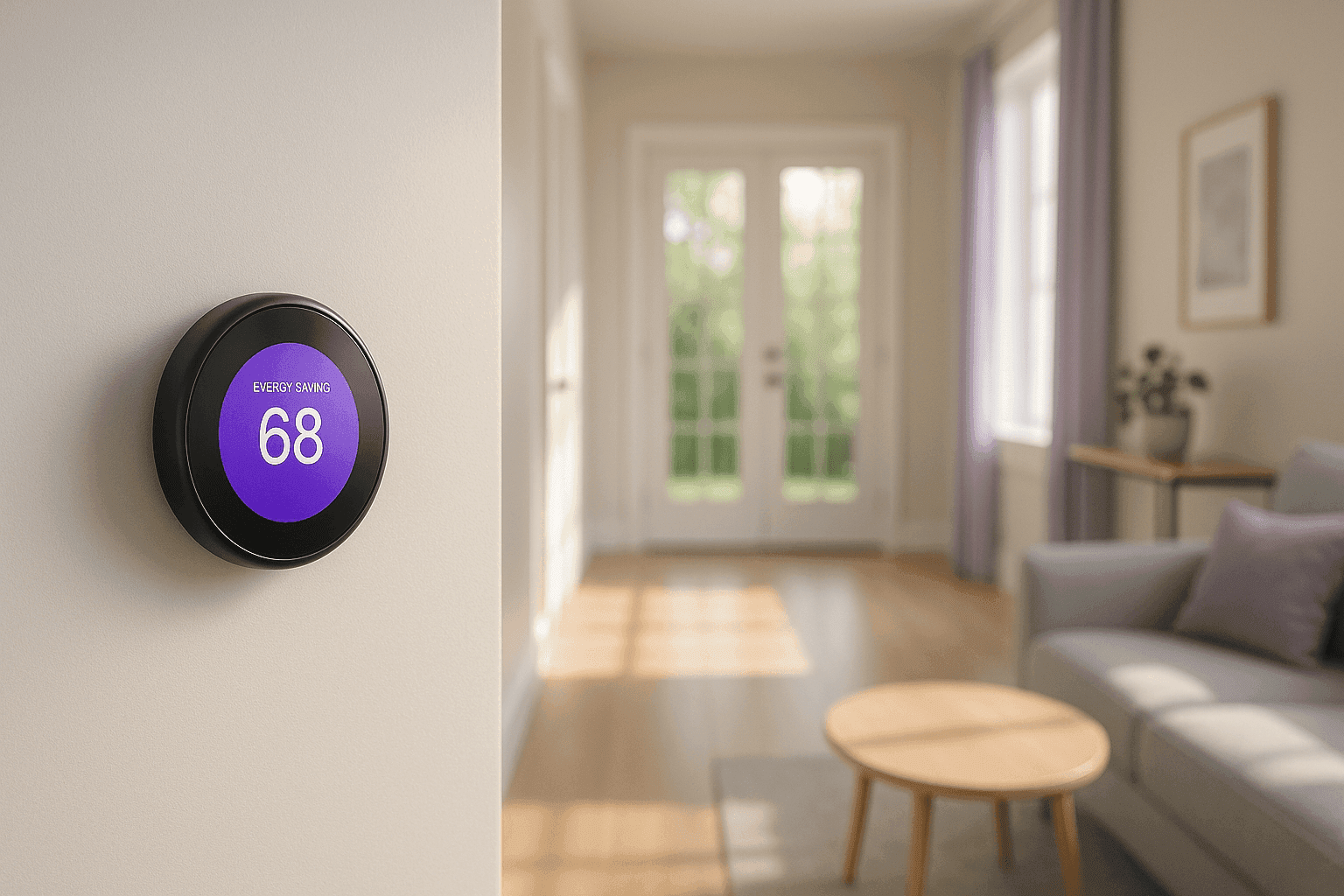
Are you tired of battling temperature swings at home or work? You’re not alone. With energy costs rising and unpredictable weather, finding the right thermostat settings matters now more than ever.
At GOGO Heating, we help families and businesses get the most out of their heating and cooling systems. The right thermostat habits can mean the difference between steady comfort and energy bills that sting. Let’s walk through how to get it right.
Why Proper Thermostat Settings Matter 🌡️
Think of your thermostat as the steering wheel for your indoor climate. Set it just right, and you glide smoothly—too high or too low, and you’re either burning fuel or freezing fingers. The U.S. Department of Energy notes that proper thermostat use can save up to 10% a year on heating and cooling bills.
But it’s not just about dollars. The right settings:
- Maintain even comfort throughout your space
- Reduce wear on your furnace and AC
- Improve indoor air quality (by keeping humidity in check)
- Help your HVAC system last longer
- Lower your carbon footprint
Every degree counts. Even small adjustments, done consistently, make a real difference.
Recommended Settings for Winter and Summer
Let’s break it down by season. These guidelines are based on ENERGY STAR® and Department of Energy recommendations.
Winter Thermostat Settings
- When home and awake: Set your thermostat to 68°F (20°C).
- Asleep or away: Lower it by 7–10°F (about 60°F/16°C is ideal).
- Don’t overdo it: Never set the heat below 55°F if you’re away in freezing weather—pipes can freeze.
Summer Thermostat Settings
- When home and awake: Aim for 78°F (26°C).
- Asleep or away: Raise it by 7–10°F (up to 85°F/29°C if possible).
- Fans help: Use ceiling or whole-house fans to help you feel cooler at higher temps.
Why These Settings Work
Your body adapts to small changes. Think of it like easing into a new pair of shoes. A few degrees cooler in winter means cozy sweaters and savings. A few degrees warmer in summer means less strain on your AC—and your wallet.
Programmable and Smart Thermostat Tips
Modern thermostats are like having a personal assistant for your comfort.
Why Upgrade?
- Programmable models let you set daily and weekly schedules. No more forgetting to dial back the heat at bedtime.
- Smart thermostats learn your habits and can be controlled from your phone. Some even adjust automatically when you leave or return.
Smart Settings, Smarter Savings
- Set it and forget it: Program temperature setbacks for times you’re away or asleep.
- Use “hold” sparingly: Avoid using the “hold” function unless you need to override your schedule temporarily.
- Zoning: For larger buildings or homes, zoning allows different areas to be set independently. This cuts waste in unused rooms.
For businesses, smart thermostats help manage comfort during off-hours, meetings, or shifts—without anyone needing to remember the schedule.
Customizing Schedules for Your Lifestyle 🕒
Every family and business runs differently. Your thermostat schedule should match the rhythm of your day.
For Homeowners
- Early risers: Warm up the house 30 minutes before your alarm.
- Night owls: Delay the nighttime setback if you’re up late.
- Gone for work: Set a lower or higher temp (depending on season) during the day.
For Businesses
- Office hours: Ensure comfort during open hours, set back after closing.
- Meeting spaces: Adjust for large groups or empty conference rooms.
- Multi-zone: Warehouses, kitchens, and server rooms may need their own schedules.
Think of it like setting your watch to the right time zone—everything runs smoother.
Quick Safety Checklist Before Adjusting Your Thermostat
Before you make changes, keep these safety tips in mind:
- Check your HVAC filter monthly—dirty filters make systems work harder.
- Never block vents or returns with furniture or drapes.
- Keep flammable items away from heat sources.
- If you have radiant heating or specialty equipment, consult your manual or a technician.
- For programmable thermostats, replace batteries annually.
Following these basics helps ensure safe, reliable operation.
DIY vs. Call a Pro
Many thermostat settings and simple upgrades are DIY-friendly. But sometimes, calling in a professional is essential.
DIY Tasks
- Adjusting daily/weekly programs
- Changing batteries
- Swapping out an old manual thermostat (if you’re comfortable with wiring and power shutoff)
When to Call a Pro
- Upgrading to a smart thermostat (especially if you have complex wiring)
- Issues with your HVAC system not responding
- Unusual noises, frequent cycling, or uneven temperatures
If you’re unsure, GOGO Heating is always ready to help with heating maintenance and thermostat installation.
What Pros Do On Arrival
When you call in a professional, here’s what to expect:
- Inspect and test thermostat wiring for safety
- Check compatibility with your heating/cooling system
- Calibrate the thermostat for accurate temperature readings
- Review your home’s insulation, air flow, and ductwork
- Offer tips for optimizing your schedule and system features
Nothing is rushed. Every step is about tuning your system for comfort and savings.
Prevention & Maintenance
A well-maintained thermostat and HVAC system are like a car that gets regular oil changes—they last longer and run smoother.
- Schedule HVAC maintenance at least once a year
- Replace filters every 1–3 months
- Clean dust off your thermostat face and around vents
- Test your settings seasonally (don’t wait for the first freeze or heat wave)
- Review your energy bills for unusual spikes
Routine care helps catch small issues before they become big, expensive problems.
Costs & Time Factors
Thermostat upgrades and settings adjustments are among the most cost-effective ways to boost comfort.
- Programmable thermostats: Usually affordable, quick to install (30–60 minutes)
- Smart thermostats: Higher upfront cost, but can pay for themselves in energy savings within a couple of years
- Professional service: Most visits take under two hours for basic setup and testing
Costs vary with equipment and complexity. But the savings add up quickly—especially in homes or offices with unpredictable schedules.
When It’s an Emergency 🚨
Most thermostat issues aren’t emergencies. But if you notice:
- No heat during freezing weather
- System won’t turn off or on
- Burning smells or smoke
Turn off your system at the breaker and call for 24 hour emergency service. Safety first, always.
FAQ: Common Thermostat Questions
Will lowering my heat at night really save money?
Yes! Even dropping the temp by 7–10°F for 8 hours can cut your annual bill by 10%, according to the Department of Energy.
How often should I replace my thermostat?
Most last 10+ years, but consider upgrading sooner if yours is inaccurate, unresponsive, or lacks features you want.
Do smart thermostats work with radiant heating?
Some do, but always check compatibility. Radiant systems often need special controls—ask a pro if unsure.
Can I install a smart thermostat myself?
It’s possible if you’re handy with wiring, but some systems require a “C-wire” or other upgrades. When in doubt, call a licensed technician.
Local and Seasonal Considerations
Weather swings are part of life—especially in regions like Columbus. Humidity, insulation, and even how many people are in your building can all affect the “right” setting.
For more local tips, see Thermostats near Columbus.
The Takeaway
Getting your thermostat settings right isn’t just a set-and-forget task. It’s about tuning your space to fit your life, save money, and stay comfortable no matter what the weather throws your way.
Ready to boost comfort and savings?
Call GOGO Heating now — or reach us anytime at 844-467-0847 .