Seasonal Heating Checklist: Spring, Fall & Winter Essentials
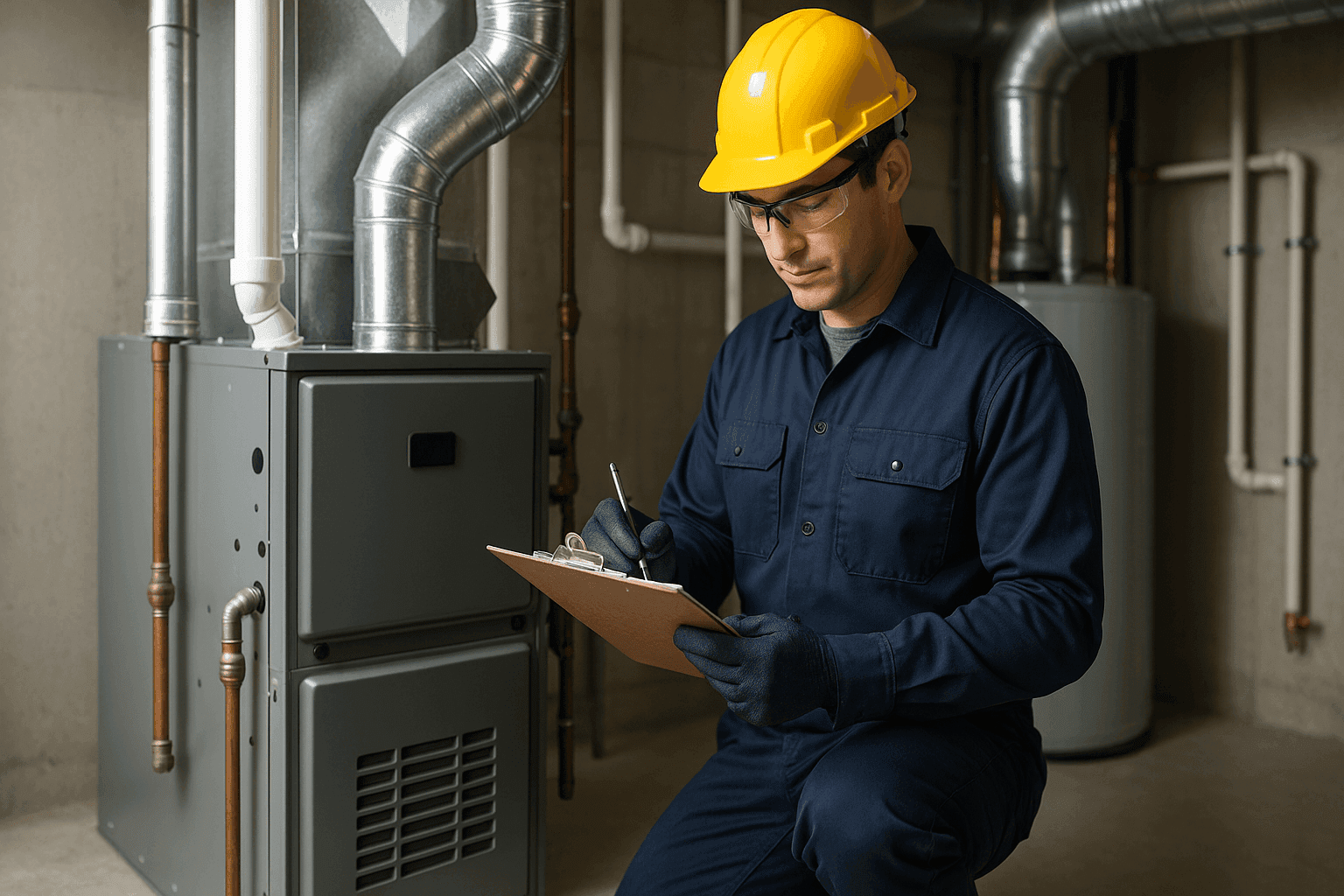
When seasons change, so do the demands on your heating system. Imagine a heating breakdown on the coldest morning of the year—or dust and allergens swirling in your home just as spring allergies hit. No one wants to be left shivering or sneezing.
At GOGO Heating, we understand how vital a reliable, safe, and clean heating system is for both homes and businesses. That’s why we’ve built this season-by-season checklist—clear, actionable, and backed by years of hands-on know-how.
Why Seasonal Maintenance Matters 🛠️
Heating isn’t just about comfort. It’s about safety, savings, and the health of everyone in your building. Think of your furnace, thermostat, and ductwork as a team. If one player is out of shape, the whole system struggles.
A well-maintained system uses less energy, lasts longer, and is less likely to leave you in the lurch on a freezing night. Regular care also keeps indoor air cleaner and prevents unexpected repair bills. According to the U.S. Department of Energy, routine maintenance can reduce breakdowns by up to 95% and cut energy use by 30% or more.
Spring Heating Checklist 🌱
Spring is the season of renewal—your heating system needs a reset, too. Here’s where to start:
- Turn off and inspect: Once heating season winds down, power off your furnace. Inspect for any visible wear or odd smells.
- Change furnace filters: A clogged filter is like running a marathon with a stuffy nose. Swap it out for a fresh one (see our filters page for details).
- Schedule duct cleaning: Over winter, dust, pet dander, and allergens collect. Professional duct cleaning helps your whole system breathe easier.
- Check your thermostat: Test it in both heating and cooling modes. Consider upgrading to a programmable or smart thermostat if yours is out of date—search "Thermostats near you" for options.
- Look for leaks: Examine vents and ducts for loose fittings or gaps. Even a small leak can waste energy.
- Inspect exhaust and vent systems: Clear away debris from exterior vents and check for signs of corrosion or blockages.
Spring Safety Tips
- Shut off gas and electrical supply before any DIY checks.
- Watch for rust or water around your furnace—signs of a deeper issue.
- Look for CO detector expiration dates; replace if needed.
Fall Prep Tips 🍂
Fall is "game day" for your heating system. Here’s how to get ready before cold air arrives:
- Book heating maintenance: Schedule a professional tune-up (heating-maintenance) to catch problems early.
- Replace filters: Yes, again! Dirty filters are the enemy of efficiency.
- Test the system: Run your heating for at least 20 minutes. Listen for unusual sounds—banging, rattling, or whistling.
- Check thermostat calibration: If your thermostat reads 68°F but your toes are frozen, recalibrate or replace it.
- Inspect belts and blower motors: Look for cracks or fraying on belts; make sure blowers start and stop smoothly.
- Seal air leaks: Use weatherstripping around windows and doors. Even a small draft can make your heating work overtime.
- Review carbon monoxide (CO) and smoke detectors: Test alarms and replace batteries.
Fall Safety Tips
- Store flammable materials away from your furnace.
- Review National Fire Protection Association (NFPA) guidelines for heating equipment spacing.
- Locate your main gas shutoff and make sure everyone in your building knows where it is.
Winter Readiness Steps ❄️
Winter puts your heating system to the test. Don’t be caught off guard:
- Monitor filters monthly: Replace if dirty—sometimes as often as every 30 days during heavy use.
- Listen and look: Unusual noises, burning smells, or frequent cycling are red flags.
- Check humidifiers and dehumidifiers: Proper humidity keeps air comfortable. Clean tanks and replace pads or filters as needed.
- Keep vents clear: Don’t let furniture, rugs, or boxes block airflow.
- Inspect pilot lights (if applicable): Flame should be steady and blue—not flickering or yellow.
- Watch your energy bills: A sudden spike can signal trouble.
- Know your emergency protocols: Post emergency numbers and heating shutoff instructions where everyone can see.
Winter Safety Tips
- Maintain at least 3 feet of clearance around all heating equipment (per NFPA recommendations).
- Never use ovens or grills for supplemental heat.
- If you smell gas, leave immediately and call emergency services.
When to Schedule Professional Service
Some jobs need a pro’s touch. Here’s when to call GOGO Heating:
- Annual maintenance: Both fall and spring tune-ups extend system life and efficiency. See our hvac-maintenance page.
- Unusual noises or smells: These can signal dangerous problems.
- Uneven heating: If some rooms are tropics and others are tundra, you need air balancing.
- Frequent cycling or shutdowns: Could mean thermostat, blower, or electrical issues.
- Visible rust, water, or soot: Signs of mechanical failure or unsafe combustion.
- Old or outdated systems: Consider a professional assessment for upgrades.
Quick Reference: What Pros Do On Arrival
When a GOGO Heating technician arrives, here’s what they typically check:
- Inspect heat exchanger for cracks or leaks (per manufacturer and safety codes)
- Test and calibrate thermostat for accurate readings
- Replace or clean filters as needed
- Examine electrical connections and tighten as required
- Lubricate moving parts to reduce wear
- Test system safety controls and carbon monoxide levels
- Check venting and exhaust for blockages
Expect a detailed report and clear, honest recommendations.
Prevention & Maintenance
A bit of routine care goes a long way. Here’s how to stay ahead, season after season:
- Change filters every 1–3 months, depending on system and usage.
- Keep registers and vents clean and unobstructed.
- Schedule annual maintenance, even if nothing seems wrong.
- Upgrade to programmable thermostats for better control.
- Consider IAQ (indoor air quality) testing if anyone in your home has allergies or asthma.
- Use whole-house fans and air scrubbers to reduce dust and improve air quality.
Costs & Time Factors
Maintenance costs vary by system type, age, and condition—not to mention extras like duct cleaning or IAQ testing. Most seasonal checkups take 1–2 hours. Emergency repairs can take longer, especially if parts are needed.
Keeping up with regular maintenance helps avoid bigger, costlier repairs down the line. The U.S. Department of Energy reports that well-maintained systems can save hundreds annually on energy bills.
When It’s an Emergency
Call for immediate help if:
- You smell gas or suspect a carbon monoxide leak.
- Your heating system won’t start at all, especially in freezing weather.
- You see smoke or sparks from any component.
- Water is pooling around your furnace or boiler.
In these situations, safety comes first. Evacuate if needed, then call for emergency service.
Heating Maintenance FAQ
Q: How often should I change my furnace filter?
A: Every 1–3 months, depending on system use, local air quality, and the type of filter.
Q: Are programmable thermostats worth it?
A: Yes. They help regulate temperature, reduce energy waste, and can pay for themselves over time.
Q: Why does my heating system make loud noises?
A: Banging, rattling, or whistling often means something needs attention—like loose panels, worn belts, or airflow issues.
Q: What’s the benefit of air balancing?
A: It ensures every room gets the right amount of warm air, improving comfort and efficiency.
Local & Seasonal Considerations
Climate and building type influence your heating needs. For residents and businesses in Murrysville, Pennsylvania Heating Maintenance, temperature swings and humidity shifts make regular maintenance essential. Adhere to local building codes and safety guidelines for your area.
If you’re unsure about your system’s needs, or just want the peace of mind that comes with expert attention, GOGO Heating is here to help.
Call GOGO Heating now — or reach us anytime at 844-467-0847 .