How to Safely Use Space Heaters During Cold Snaps
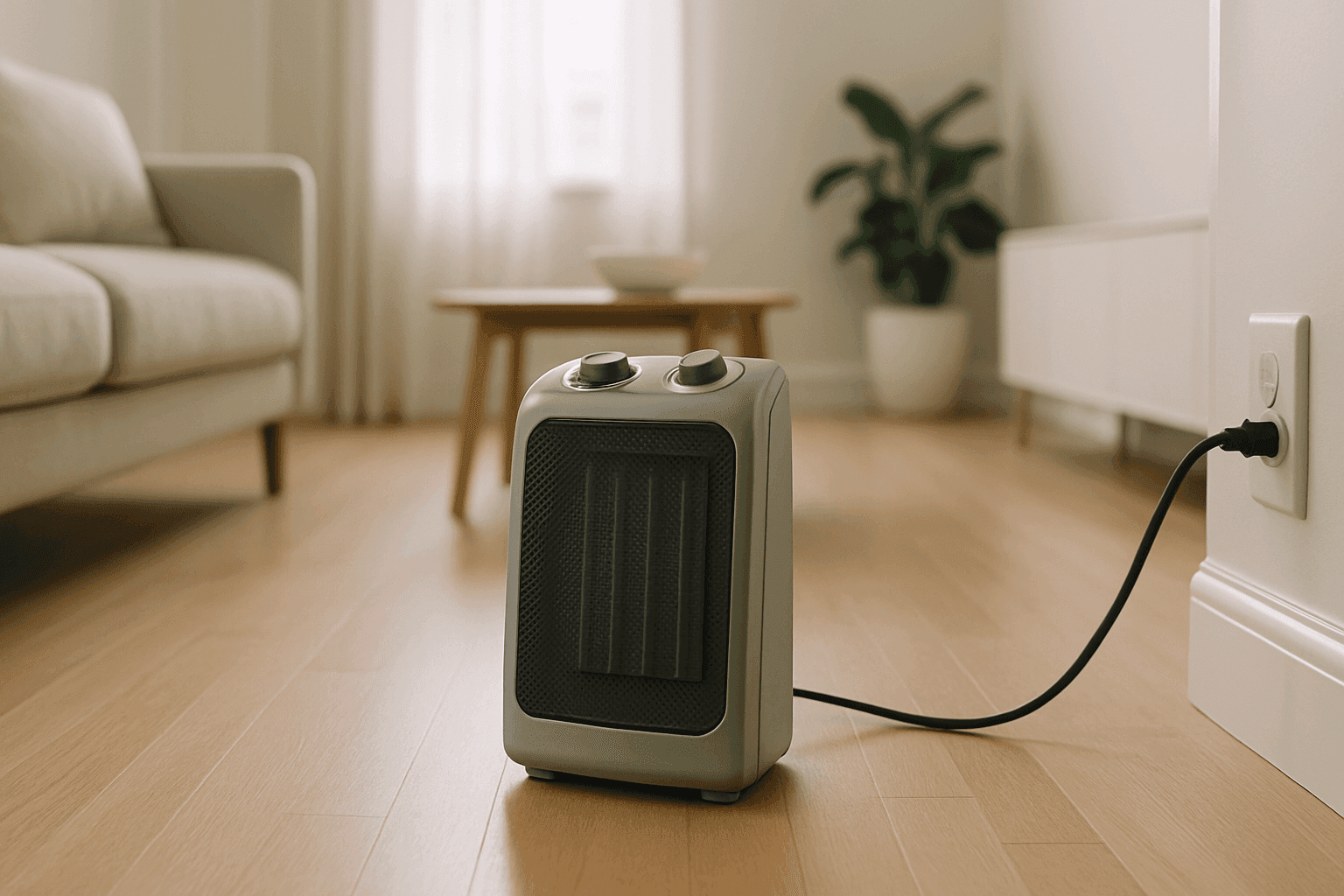
When winter digs in its heels and the mercury drops, space heaters often seem like a quick fix. That chilly draft in the hallway? The icy spot under your office desk? A portable heater can feel like a personal sunbeam. But before you plug one in, there are serious safety rules to follow.
At GOGO Heating, we know the risks. We’ve helped countless families and businesses stay warm—without trading comfort for safety. Here’s how you can keep your space cozy and your home or office protected this season.
Risks of Space Heater Use ⚠️
Space heaters aren’t toys. According to the U.S. Consumer Product Safety Commission, portable heaters cause thousands of house fires every year. It’s easy to see why: one misplaced cord or a curtain that drifts too close, and suddenly you’re dealing with more than just a cold snap.
Common hazards include:
- Fire: Heaters too close to bedding, drapes, or furniture can ignite materials.
- Electric shock: Damaged cords or using an outlet that’s overloaded.
- Carbon monoxide: Fuel-burning heaters (never use these indoors).
- Burns: Surfaces get hot enough to injure kids and pets.
It’s like lighting a campfire in your living room—fine with the right setup, but dangerous if you skip the basics.
Reference: The National Fire Protection Association (NFPA) has clear guidelines for safe heater use.
Safe Setup and Operation
You can use a space heater safely, but only by following a few strict rules.
Quick Safety Checklist:
- Plug heaters directly into a wall outlet (never a power strip or extension cord).
- Keep a minimum 3-foot radius around the heater—free of furniture, bedding, or clutter.
- Always place heaters on a flat, stable, nonflammable surface.
- Turn off and unplug when you leave the room or go to sleep.
- Check for a UL (Underwriters Laboratories) or ETL certification label.
- Test the tip-over switch and overheat protection before the first use.
- Never use a space heater in bathrooms or other damp areas.
- Keep children and pets away from the heater.
- Inspect the heater and cord for any signs of damage before each use.
Treat a space heater like a candle—never leave it unattended.
Where and How to Use Portable Heaters
Best Practices:
- Use only in well-ventilated rooms.
- Place away from high-traffic areas to avoid accidental bumps.
- Don’t use heaters as a primary heat source. They’re a supplement, not a substitute for proper HVAC systems.
- Avoid placing heaters near doors or exits, which can block escape routes in an emergency.
Where to avoid:
- Kitchens, bathrooms, laundry rooms—anywhere water might splash on the unit.
- Crowded office spaces where cords can trip people.
- Near flammable items like rugs, papers, or cleaning chemicals.
If you’re unsure, ask a heating professional for advice. Sometimes, what feels safe might not meet local codes.
Alternatives to Space Heaters
Space heaters aren’t the only answer to cold snaps. Some options are safer, more efficient, and better for your indoor air quality.
Consider these alternatives:
- Upgrade your thermostat: Modern programmable thermostats near you can regulate temperature more evenly, reducing cold spots.
- Schedule regular heating maintenance: A well-maintained furnace runs safer and uses less energy.
- Seal drafts: Weatherstrip doors and windows to keep warm air inside.
- Check your filters: Clean filters mean better airflow and more even heating.
- Add a whole-house fan or air balancing: This circulates warm air and prevents cold zones.
- Use radiant heating or geothermal systems: These can be more efficient and safer long-term solutions.
The best fix is often as simple as a tune-up or a new filter.
What to Do in an Emergency 🆘
If you notice smoke, burning smells, or the heater trips your breaker:
- Turn off and unplug immediately.
- If there’s a fire, get everyone out and call 911.
- Don’t try to move a burning heater—leave that to professionals.
- If someone is burned or shocked, seek medical help right away.
- After any incident, don’t reuse the heater until it’s been professionally inspected.
Remember—never ignore warning signs. If your home’s heat is out, use extra blankets or warm clothing until help arrives. Never use ovens, grills, or outdoor heaters indoors, as this can cause deadly carbon monoxide buildup.
For true emergencies, GOGO Heating provides 24-hour service. If you’re ever in doubt, it’s safer to call.
Frequently Asked Questions
Are all space heaters dangerous?
Not if you follow the rules! Certified models with automatic shut-off and tip-over switches are much safer. But any heater used incorrectly can be risky.
Can I use a space heater overnight?
It’s not recommended. Even heaters with safety features can fail. Turn them off before bed.
How do I know if my heater is safe?
Look for safety certifications (UL, ETL) and check if the cord or plug feels hot. If it does, discontinue use and have it checked.
How often should I check my filters?
Monthly during heavy use. Clean or replace as needed for best airflow and heat distribution.
Local & Seasonal Considerations
Cold snaps hit hard, and sometimes the central heat just can’t keep up. If you live in an area with unpredictable winter weather, regular heating maintenance is even more important. Schedule seasonal checkups before winter to catch issues early. If you’re searching for Heating Maintenance near me in Sammamish, Washington, GOGO Heating can help.
Final Thoughts
Space heaters can bridge the gap on the coldest days—but only when used with caution and care. If your home or business is relying on portable heaters every winter, it may be time to upgrade your main system or schedule a professional inspection.
For safer, warmer winters, keep your heating systems healthy and your space heaters as a backup—not your first line of defense.
Call GOGO Heating now — or reach us anytime at 844-467-0847 .