The Real Cost of Furnace Repair: What to Budget For
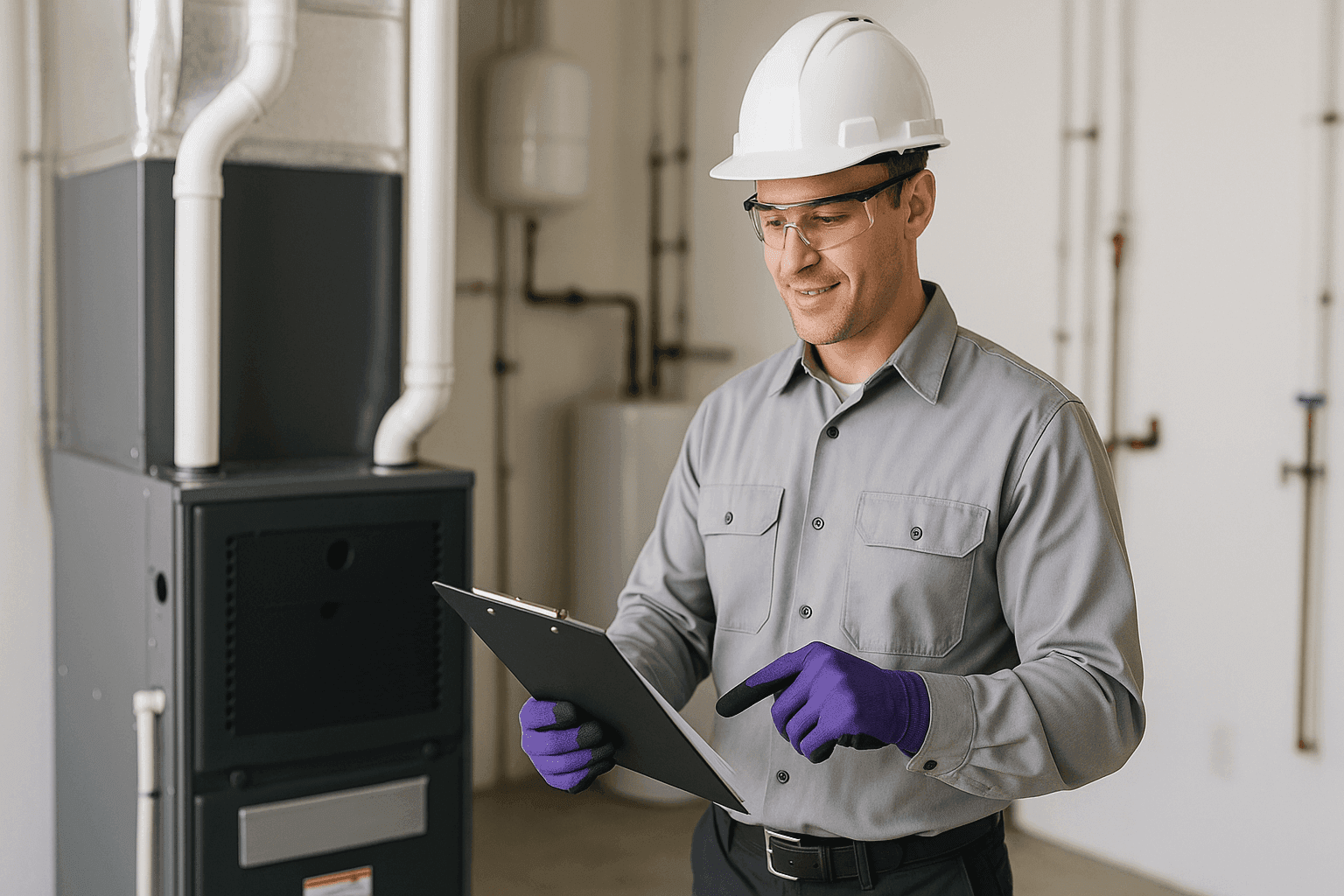
When the heat cuts out, life slows down. Your home (or business) gets chilly, and peace of mind disappears just as fast. At GOGO Heating, we understand how disruptive furnace trouble can be—and how stressful it is not knowing what the bill might look like.
That’s why we’re here: to break down the real cost of furnace repair, what actually affects your invoice, and how you can plan ahead. Let’s shed some light on those confusing numbers, so you can stay warm and in control—no matter what winter throws at you.
What Affects Furnace Repair Costs? 💡
Ever seen two neighbors with the same heating problem get wildly different repair bills? It’s not magic—or bad luck. Furnace repair costs depend on a mix of factors:
- Age and Type of Furnace: Older models or specialty systems (like radiant heating) may need pricier, harder-to-find parts.
- Severity of the Issue: Replacing a filter costs less than fixing a cracked heat exchanger.
- Parts and Labor: Some repairs are quick fixes, others take hours and special tools.
- Emergency or After-Hours Calls: Late-night breakdown? Expect a higher rate for 24 hour emergency service.
- Accessibility: Is your furnace tucked away behind walls of ductwork? More time means more cost.
Think of it like car repairs: an oil change is routine, but a blown transmission is a whole different story.
Typical Cost Ranges
So, what numbers should you actually expect? While every job is unique, most furnace repairs fall into these ranges:
- Simple repairs: $100–$300 (think: thermostat replacement, filter swaps, basic electrical fixes)
- Moderate repairs: $300–$800 (blower motor, ignition system issues, air balancing)
- Complex repairs: $800–$2,000+ (heat exchanger replacement, severe duct cleaning, major hood & exhaust installation)
For commercial customers, costs can rise due to larger system sizes or more demanding code requirements. Always ask for a written estimate detailing labor and parts before work starts.
Ways to Avoid Surprise Charges 🛑
Nobody likes sticker shock. Here’s how to keep your furnace repair bill predictable:
- Ask for an up-front assessment: Reputable technicians (like ours) will walk you through the issue, options, and expected costs.
- Get details in writing: A clear, itemized estimate spells out labor, parts, and any extra fees.
- Know your system: Keep records of past repairs, model numbers, and warranties to speed up diagnosis and avoid double work.
- Schedule regular maintenance: Catching issues early—like with heating maintenance—can prevent costly breakdowns and emergency calls down the road.
- Replace filters on time: Simple, but often overlooked, filter changes keep your furnace running smoothly and help avoid airflow issues that can cause bigger problems later. See our filters service for more info.
Repair vs. Replacement Economics
Here’s the big question: repair, or replace? The answer isn’t always obvious. Consider these guidelines:
- Repair: If your furnace is under 10 years old, and the repair is under 50% of replacement cost, repair usually makes sense.
- Replace: If your furnace is 15+ years old, or repairs become frequent and costly, replacement may save you money in the long run. Upgrading to a high-efficiency model can also lower operating costs and improve indoor air quality (IAQ).
Think of this decision like keeping an old car: at some point, new parts just aren’t worth the hassle.
Practical Budgeting Tips
Keeping your heating budget on track doesn’t have to be a guessing game. Try these strategies:
- Set aside an annual “comfort fund”: Even $10–$20 a month adds up, softening the blow of unexpected repairs.
- Schedule a home energy audit: Identifying inefficiencies can save money on both repairs and energy bills.
- Don’t skip routine checks: Regular HVAC maintenance can spot issues before they snowball.
- Talk to your technician: Ask for honest recommendations—sometimes, a minor fix now prevents a much bigger repair later.
FAQs About Furnace Repair
How long does a typical furnace repair take?
Most repairs are done in 1–3 hours. Specialty parts or complex issues can take longer, especially for commercial systems.
Are there safety codes to follow for furnace repairs?
Yes. All repairs must follow manufacturer instructions and local building codes. The National Fire Protection Association (NFPA) and International Residential Code (IRC) set important safety standards for gas and electric furnaces.
Can I repair my furnace myself?
You can change filters and check thermostats, but anything involving gas, wiring, or major parts should be left to a licensed professional. Safety first—always.
Local Considerations: North Providence and Beyond
Colder climates mean your furnace works harder and may need more frequent attention. If you’re searching for Furnace Repair near me in North Providence, Rhode Island, GOGO Heating is here year-round—ready to help with both routine fixes and urgent calls.
Final Thoughts
Heating breakdowns are never fun, but with a little planning and clear information, you can handle them without breaking the bank. Remember: regular care and prompt attention to small problems keep your system running longer, safer, and more efficiently.
Call GOGO Heating now — or reach us anytime at 844-467-0847 .