How to Prevent Frozen Pipes During Winter Storms
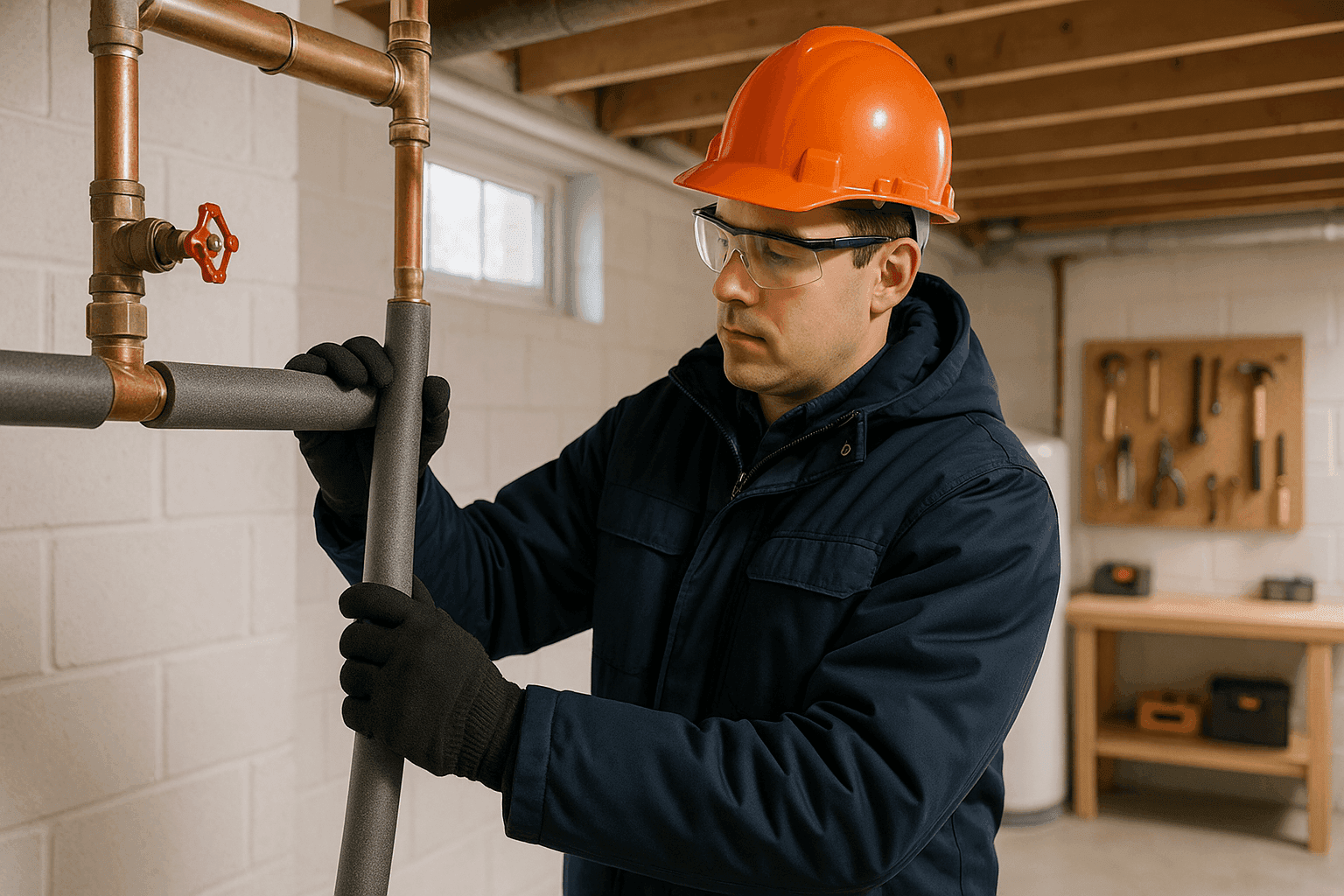
Winter storms don’t knock. They barge in. One day your pipes are fine—the next, you’re mopping up a mess and worrying about repairs. At GOGO Heating, we know that both homes and businesses can go from cozy to crisis in just a few frozen hours.
Frozen pipes are more than a seasonal nuisance. They can mean costly water damage, lost heat, and big disruptions. Let’s break down what you need to know to keep your property safe and dry all winter long.
Why Frozen Pipes Are a Risk ❄️
Picture water pipes like soda cans left in the freezer. When water freezes, it expands. Pipes don’t have much give, so when the temperature drops and water inside turns to ice, pressure builds. Sometimes, pipes split open. The result? A flood when everything thaws.
Key risks include:
- Burst pipes: Water expands by about 9% as it freezes, according to the American Red Cross. This pressure can crack even sturdy pipes.
- Water damage: A single burst pipe can release hundreds of gallons in just a few hours.
- Interrupted Heating: If heating pipes freeze, you could be left in the cold at the worst possible time.
Older homes, buildings with poor insulation, and places with exposed piping are especially vulnerable. But even new or recently renovated spaces can experience frozen pipes if heating or maintenance slips.
How Heating Protects Pipes
Central heating isn’t just for comfort. It’s your first line of defense against frozen pipes. Keeping your thermostat set—day and night—helps maintain the temperature around pipes, especially those in basements, crawl spaces, or along exterior walls.
Here’s how proper heating helps:
- Consistent warmth: Even a few degrees can keep pipes above freezing.
- Thermostats near you help regulate temperature in problem areas.
- Heating maintenance ensures your system runs efficiently when you need it most.
Don’t drop your thermostat below 55°F (13°C) in winter, even if you’re leaving for a few days. The U.S. Department of Energy recommends steady settings to avoid temperature swings that stress pipes.
Insulation and Prep Tips 🧤
Think of insulation as a winter coat for your pipes. It won’t solve every problem, but it buys precious time when temperatures drop suddenly.
Practical steps for both residential and commercial spaces:
- Insulate exposed pipes with foam sleeves, especially in attics, basements, and crawlspaces.
- Seal gaps around holes where pipes enter walls or floors (use caulk or spray foam).
- Open cabinet doors under sinks to let warm air circulate.
- Let faucets drip slightly overnight during deep freezes. Moving water is less likely to freeze.
- Disconnect hoses from outdoor spigots and cover them with insulated caps.
- Check filters on your heating system—clogged filters make your furnace work harder, risking temperature drops. Need help? Our filters service keeps your air and system flowing.
If you manage a commercial building, schedule regular HVAC maintenance before winter starts. Inspecting ductwork, air balancing, and checking for heat leaks can prevent cold spots that lead to freezing.
What to Do if Pipes Freeze
If you turn on a faucet and only a trickle comes out, you might have a frozen pipe. Don’t panic. Quick, careful action can reduce the risk of a burst.
Steps to take:
- Shut off water to the affected pipe if you can—this limits flooding if it bursts.
- Open the faucet so steam and water can escape as the pipe thaws.
- Warm the pipe—use a hair dryer, heating pad, or towels soaked in hot water. Start closest to the faucet and work back.
- Never use open flames (like a blowtorch or lighter). It’s a major fire hazard and can damage pipes.
If you can’t reach the frozen area or water isn’t flowing after gentle warming, call a professional. Thawing pipes safely is part of what GOGO Heating does every winter.
Emergency Steps for Burst Pipes 🚨
Sometimes, despite your best efforts, a pipe bursts. Fast action limits the damage.
Here’s what to do:
- Turn off the main water valve immediately.
- Shut off electricity to affected areas if water is pooling near outlets or appliances.
- Call a licensed plumber or heating technician for immediate help.
- Move valuables and soak up standing water with towels or a wet vac.
Document the damage with photos for insurance. The American Red Cross and local building codes recommend contacting professionals for any major water event.
Proactive Maintenance for Peace of Mind
The best way to prevent frozen pipes is to think ahead. Heating maintenance isn’t just a once-a-year checklist—it’s a habit that pays off.
Best practices:
- Schedule heating maintenance each fall.
- Replace air filters regularly to ensure steady airflow.
- Inspect for drafts and seal them before cold weather arrives.
- Install smart thermostats near you to monitor temperatures remotely.
For those in Gillette or nearby, check out Heating Maintenance near me in Gillette, Wyoming for tailored local support.
Frequently Asked Questions
How cold does it have to be for pipes to freeze?
Most pipes are at risk when temperatures drop below 20°F (-6°C), but poorly insulated pipes can freeze at higher temperatures if exposed to drafts or wind.
Can I use space heaters to warm pipes?
Space heaters can help, but only if used safely and never left unattended. Keep them away from flammable materials and plug them into grounded outlets.
Should I shut off water if I leave town for the holidays?
Yes, turning off the main water supply and draining pipes is a smart move if you’ll be away for several days during freezing weather.
Does pipe material matter?
Yes. Copper and steel pipes freeze and burst more easily than PEX or other flexible materials. Still, all pipes are vulnerable if left unprotected.
Local and Seasonal Considerations 🏔️
Winter in Wyoming or similar climates brings longer, harsher cold snaps. Commercial properties with large, open areas or complex ductwork need extra vigilance. Schedule heating and HVAC checkups early, ideally before the first hard freeze. Monitor local weather alerts, and don’t wait until the last minute to prep.
For up-to-date safety codes, refer to your local building department and resources like the International Code Council’s plumbing and mechanical codes.
Frozen pipes are stressful, but with a little planning, you can stay ahead of the storm. Whether you need insulation, heating checks, or emergency repairs, GOGO Heating is here to help—day or night.
Call GOGO Heating now — or reach us anytime at 844-467-0847 .