Maintaining Heating Systems During Extended Power Outages
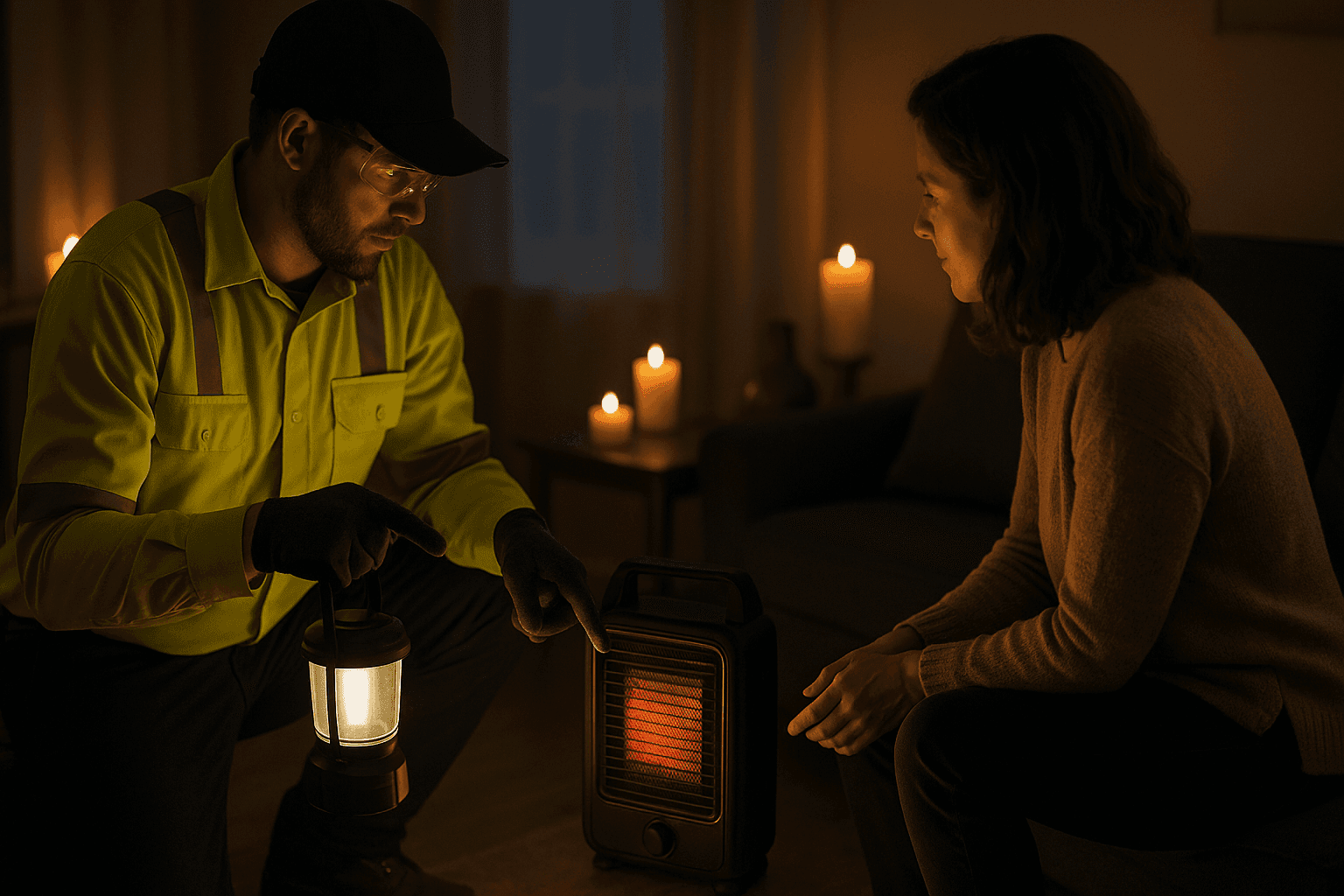
Winter storms don’t wait for a convenient time. When the power flickers and goes out, your home’s comfort can vanish in an instant. At GOGO Heating, we know how unsettling it feels when your heating system stops just when you need it most.
Whether you’re keeping a family safe or protecting your business, understanding how to handle heating during outages isn't just comfort—it's safety. Let's break down the essentials, step by step.
Risks of Power Outages in Winter ❄️
When the lights go out, the cold creeps in fast. Prolonged power outages in winter bring real risks—frozen pipes, unsafe indoor temperatures, and the temptation to use unsafe heat sources. According to the U.S. Department of Energy, homes can lose heat in just a few hours when outside temps drop below freezing.
Here’s what’s at stake:
- Frozen pipes: Water expands as it freezes, so pipes can burst—flooding your home and causing expensive damage.
- Hypothermia: Indoor temps below 60°F can be dangerous, especially for children and older adults.
- Carbon monoxide: Improper use of portable heaters or generators can quietly fill your home with deadly gas.
- Equipment damage: Sudden restarts or voltage spikes can damage your furnace or thermostat.
A winter outage isn’t just an inconvenience. It’s a challenge that requires quick thinking and safe action.
Emergency Heating Solutions
When the furnace stops, what next? While there’s no magic fix, some safe options can buy you time until power returns.
Safe emergency heating steps:
- Layer up: Dress in warm clothing and use blankets. Multiple thin layers trap heat better than one bulky garment.
- Seal drafts: Block gaps under doors and windows with towels or blankets. Even small leaks let precious warmth escape.
- Use safe heat sources: If you have a wood or gas fireplace, use it—but keep the flue open. Never use outdoor grills, propane heaters, or gas ovens indoors.
- Gather together: Staying in one room with family or coworkers helps everyone stay warmer. Close off unused spaces.
For businesses, consider battery-powered backup thermostats or portable forced-air heaters rated for indoor use. Always read manufacturer instructions and follow local fire codes.
If you rely on medical equipment or have vulnerable residents, consider relocating before temperatures drop too far.
How to Maintain Heat Safely
Staying warm is important—but safety comes first. Here’s how to keep heat in and hazards out:
Safety Checklist
- Ventilation: Always keep a window cracked if using a combustion appliance (like a fireplace) to let fumes escape.
- Carbon monoxide detectors: Test them before winter. Replace batteries every season. If you hear an alarm, leave immediately and call emergency services.
- Turn off electrical heating equipment: When the power returns, surges can cause fires if units are left on.
- Check filters: Dirty HVAC filters can worsen air quality and slow system recovery after an outage. Swap them before storms hit—get expert filter help here.
- Never run a generator indoors: Keep it outside, at least 20 feet from doors and windows.
Conserving Heat
- Close curtains or blinds: Heavy drapes help insulate windows.
- Eat and drink warm foods: Hot drinks and meals help keep your body temperature up.
- Move rugs onto floors: They add an extra layer between you and the cold.
Following these steps keeps your home cozy without trading safety for warmth.
What to Do Before and After Outages
Preparation is your best friend. Here's how to set yourself up for success—and how to bounce back once the power’s back.
Before an Outage
- Schedule annual heating maintenance. A well-tuned system runs smoother and handles outages better. Book a heating maintenance checkup.
- Install surge protectors: Safeguard thermostats and sensitive HVAC gear.
- Know your shutoff valves: Locate your water main. If pipes freeze, turning off water limits damage.
- Stock up on essentials: Flashlights, batteries, portable phone chargers, and extra blankets.
After Power Returns
- Check your thermostat: Reset settings if needed. Some smart thermostats lose memory during outages—search for “Thermostats near you” if you need a replacement.
- Inspect your furnace: Listen for unusual noises. If you smell gas or see water near the unit, call a pro immediately.
- Replace HVAC filters: Dust and debris can clog systems during outages.
- Monitor indoor air quality: Power loss can stir up dust or trigger mold in damp areas. If you notice persistent odors or allergy symptoms, schedule IAQ testing.
For complex systems or commercial sites, always have a professional inspect equipment after extended outages.
Real-World Tips for Residential and Commercial Spaces
Homeowners
- Set faucets to drip: Keeps water moving, reducing the risk of frozen pipes.
- Clear snow from vents: Blocked HVAC exhausts can cause dangerous backdrafts.
- Keep emergency supplies handy: A small, dedicated bin with essentials helps you act quickly.
Businesses
- Invest in backup power: Critical for locations serving vulnerable populations or storing temperature-sensitive goods.
- Create a response plan: Assign roles for maintenance checks, communication, and safety monitoring.
- Schedule regular duct cleaning: Dust buildup can worsen air quality when systems restart.
Check local codes for backup heating requirements—especially for care homes or food service.
Frequently Asked Questions
How long does it take for a house to get cold without power?
It depends on your insulation and outside temperature. Well-insulated homes can drop below 50°F in a day if it’s below freezing outside. Act quickly to retain heat.
Is it safe to use a portable generator for heating?
Only if used outdoors, far from windows and doors. Never run a generator, grill, or unvented fuel heater inside due to carbon monoxide risk.
Should I turn off my furnace during an outage?
Yes. Switch off your furnace at the thermostat and breaker. This protects the unit from power surges when electricity is restored.
How can I spot heating problems after a power outage?
Listen for strange noises, check for error codes on your thermostat, and look for water or soot near the furnace. If in doubt, call for 24-hour emergency service.
Local and Seasonal Considerations
In places like Germantown, Wisconsin, winter outages can last for hours or even days. Prep your heating system before the cold settles in—early fall is best. For local tips, see Heating Maintenance help in Germantown, Wisconsin.
If you’re caring for a historic property or specialized facility, consult the latest guidelines from the American Society of Heating, Refrigerating and Air-Conditioning Engineers (ASHRAE) or your local building authority.
Don’t Wait for the Next Storm
No one wants to face a power outage unprepared. A little prevention can keep your home or business warm, safe, and secure—even when the grid goes down.
Call GOGO Heating now — or reach us anytime at 844-467-0847 .