How to Improve Ventilation in Homes and Offices
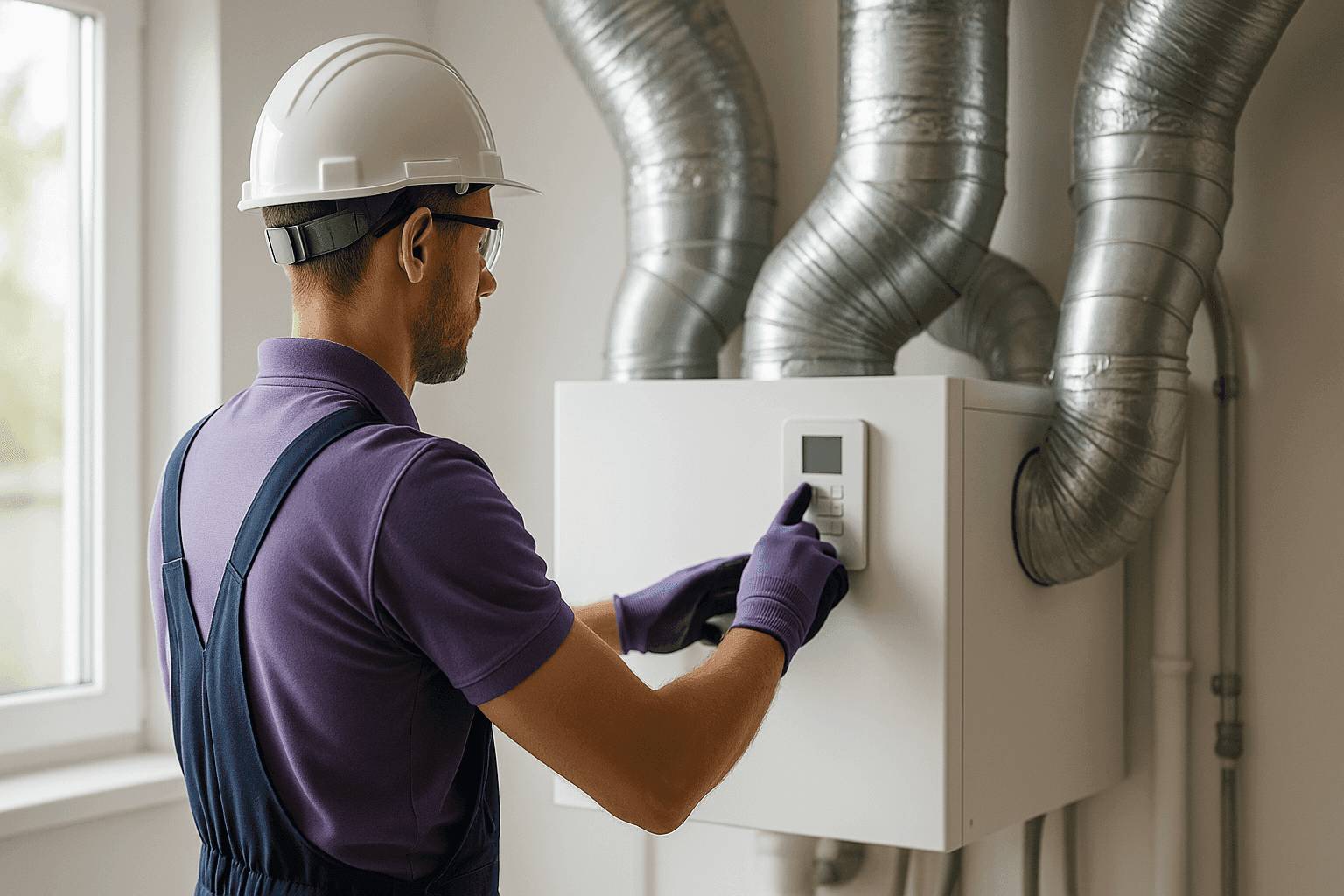
Stale air. Lingering odors. Allergy flare-ups. If any of these sound familiar, you're not alone. Many homes and offices struggle with poor ventilation, especially in tightly sealed buildings designed to conserve energy. The result? Air feels stuffy, and indoor pollutants can quietly build up.
At GOGO Heating, we know that quality ventilation is the backbone of a healthy, comfortable space. Whether you’re a homeowner or manage a commercial building, understanding your options can make all the difference in breathing easier.
Why Ventilation Matters 🏠
Ventilation is like your building’s lungs. Without fresh air coming in and stale air going out, indoor spaces can quickly fill up with invisible irritants. According to the Environmental Protection Agency (EPA), indoor air can be up to five times more polluted than outdoor air. That’s because dust, chemicals, and moisture get trapped and recirculated.
Why does this matter? Poor air quality can aggravate asthma, allergies, and even headaches. It also increases the risk of mold growth and can make heating and cooling systems work harder, causing higher energy bills and wear and tear.
Ventilation isn’t just about comfort—it's about your health and protecting your property.
Natural vs. Mechanical Ventilation
There are two main ways to keep air moving: natural and mechanical.
Natural Ventilation
Picture a gentle breeze drifting through open windows. That’s natural ventilation. It relies on wind and temperature differences to move air. It’s simple and energy-free—but only works when outdoor conditions cooperate.
Natural ventilation works best when:
- You can safely open windows or doors.
- Outdoor air quality is good.
- Temperatures are mild.
But when it’s freezing outside or the pollen count is high, opening a window may not be practical—or comfortable.
Mechanical Ventilation
Mechanical systems act like the lungs of your home or office. They use fans, ducts, and controls to pull in fresh air and push out stale air, regardless of the weather outside.
Common mechanical ventilation options:
- Exhaust fans: In bathrooms and kitchens, these pull out humidity and odors.
- Whole-house fans: Installed in attics, they push hot air out and draw in cool air from open windows.
- Heat Recovery Ventilators (HRVs) and Energy Recovery Ventilators (ERVs): These exchange indoor and outdoor air while conserving energy.
- Air scrubbers: These devices clean the air as it circulates, removing particles and odors.
If you’re not sure what you need, a professional can help you choose the right system for your space and climate.
DIY Tips for Better Airflow
You don’t need a toolbox the size of a car to make a difference. Sometimes, small changes have a big impact!
- Open windows strategically: Create a cross-breeze by opening windows on opposite sides of a room.
- Use fans: Ceiling and portable fans help circulate air, especially in stuffy rooms.
- Clear vents and registers: Move furniture and rugs away so air flows freely.
- Replace HVAC filters: Dirty filters block airflow and can worsen indoor air quality. Check every 1–3 months.
- Keep exhaust fans clean: Dust and debris can clog fans in kitchens and bathrooms.
- Add houseplants: Some plants (like snake plants and spider plants) can help freshen air, though they’re no substitute for real ventilation.
Quick safety tip: Never block heating vents or return air grilles. This can strain your HVAC system and reduce air exchange.
Professional Ventilation Upgrades 🛠️
Some improvements call for a skilled hand. If you’ve tried the basics and still notice musty smells, humidity problems, or uneven temperatures, it may be time to upgrade your system.
Services GOGO Heating Offers:
- Whole-house fans: Efficiently cool your home and boost natural airflow. Learn more about whole-house-fans.
- Air scrubbers: Actively remove contaminants, odors, and even some pathogens from circulating air. Check our air-scrubbers service.
- HVAC installation and upgrades: Proper sizing and layout make a huge difference in air movement.
- Duct cleaning: Over time, ducts collect dust and debris that can choke airflow.
- Air balancing: Ensures each room gets the right amount of air—no more hot or cold spots.
- IAQ testing: Indoor Air Quality testing pinpoints issues you can’t see or smell.
A professional will also check that your system meets local building codes and safety guidelines, like those set by ASHRAE (American Society of Heating, Refrigerating and Air-Conditioning Engineers).
Quick Safety Checklist
Before making any changes, keep these safety basics in mind:
- Always use exhaust fans when cooking or showering.
- Store chemicals (paint, cleaners) in well-ventilated areas.
- Make sure your home has working carbon monoxide detectors.
- Don’t run fuel-burning appliances (like space heaters) without proper ventilation.
- Schedule regular maintenance for heating and cooling equipment.
When to DIY and When to Call a Pro
Some tasks—like opening a window—are easy for anyone. Others, like installing a whole-house fan or checking ducts for leaks, are best left to trained technicians.
DIY-Friendly:
- Changing air filters
- Using window fans
- Cleaning vent covers
Call a Pro For:
- Upgrading HVAC or ventilation systems
- Duct cleaning or repairs
- Air balancing and testing
- Installing air scrubbers or humidifiers
If you’re ever unsure, remember: Airflow problems aren’t just about comfort—they can affect your health and heating system, too.
What Pros Do on Arrival
When GOGO Heating visits your home or office, here’s what you can expect:
- Assessment: We inspect your current ventilation and heating systems, noting trouble spots.
- Airflow testing: Using specialized tools, we measure how much air moves through each room.
- Recommendations: We walk you through options, from repairs to upgrades, tailored to your needs and budget.
- Installation or repairs: Our trained technicians handle everything, ensuring all work follows safety standards.
- Follow-up: We show you how to use and maintain your new system for lasting comfort.
Our team is trained to spot issues that could go unnoticed, like hidden mold or leaky ducts.
Prevention & Maintenance
Think of ventilation like brushing your teeth—it’s easier to maintain than fix a problem later.
- Change filters regularly: Mark your calendar for monthly checks.
- Clear vents and returns: Keep them free of dust and obstructions.
- Schedule annual HVAC maintenance: Prevents costly breakdowns and keeps air moving smoothly.
- Monitor humidity: Too much moisture encourages mold; too little dries out skin and woodwork. Aim for 30–50% indoor humidity.
Seasonal changes, renovations, or new furniture can all affect airflow. It’s worth reassessing your system at least once a year.
Costs & Time Factors
Ventilation improvements range from simple to complex.
- DIY fixes: Opening windows, running fans, or changing filters cost little or nothing and can be done in minutes.
- Professional upgrades: Duct cleaning, air scrubber installation, or whole-house fan installation typically take a few hours to a day, depending on your building’s size and layout.
- System upgrades: Full HVAC or energy recovery ventilator installs may take a day or two. Costs depend on your space, equipment chosen, and any needed modifications.
GOGO Heating can provide a clear estimate before any work begins—no surprises.
When It’s an Emergency
Some ventilation problems can’t wait.
- You smell gas or burning: Leave immediately and call emergency services.
- Carbon monoxide alarm sounds: Go outside and contact emergency responders.
- Sudden loss of airflow: If your heating or cooling stops working during extreme weather, call for 24-hour emergency service.
Don’t ignore signs like mold smells, constant headaches, or persistent allergies. These may signal hidden air quality problems that need prompt attention.
Frequently Asked Questions
How often should I change my HVAC filter?
Check filters every month. Replace them at least every 1–3 months, or more if you have pets or allergies.
Are whole-house fans noisy?
Modern whole-house fans are much quieter than older models. Proper installation and insulation can further reduce noise.
Can houseplants improve indoor air quality?
Some houseplants can help, but they’re not a substitute for proper ventilation and filtration.
How do I know if my office needs better ventilation?
Signs include stuffy air, lingering odors, increased illness, or uneven temperatures. If in doubt, schedule an indoor air quality test.
Local & Seasonal Considerations 🌦️
Airflow needs change with the seasons. During pollen season or extreme temperatures, you may not want to open windows. In winter, tightly sealed homes can trap moisture and pollutants. Commercial buildings, especially those with lots of occupants or equipment, need more frequent ventilation checks.
Consider a home energy audit to spot hidden issues. For those in Topeka, you can find Indoor Air Quality near me in Topeka, Kansas for local help.
Breathe easier and stay comfortable—no matter the season. From thermostats to advanced air scrubbers, GOGO Heating is here to help you find the best fit for your home or office.
Call GOGO Heating now — or reach us anytime at 844-467-0847 .