Humidifiers vs. Dehumidifiers: Which Does Your Space Need?
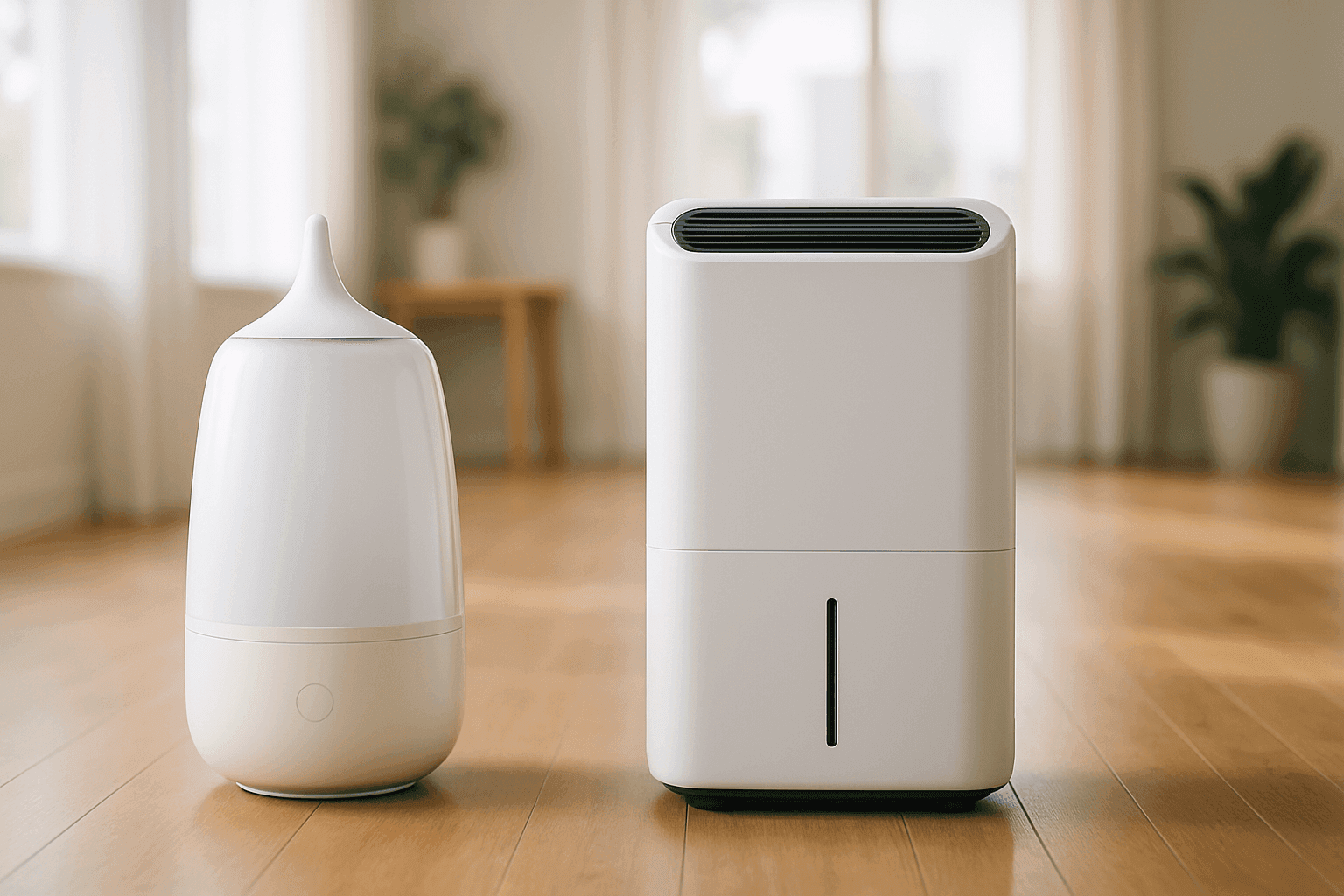
Is your space feeling like the Sahara? Or more like a rainforest? When it comes to indoor comfort, air that’s too dry or too damp can make life miserable—at home or at work. At GOGO Heating, we help people create spaces that feel just right, no matter the season.
Figuring out whether you need a humidifier or a dehumidifier isn’t just about comfort. It’s about health, efficiency, and protecting your property, too. Let’s break it down.
What Is a Humidifier? 💧
Think of a humidifier as a gentle rain shower for your indoor air. Its job? Add moisture. Humidifiers are used when the air in your home or office gets too dry—usually in winter, or in climates where heaters run nonstop.
How it works:
A humidifier releases water vapor or steam to increase moisture levels, measured as relative humidity. This can be done through cool mist, warm mist, ultrasonic waves, or even evaporative pads.
Common types:
- Portable humidifiers (for single rooms)
- Whole-house humidifiers (attached to your heating system)
- Steam humidifiers (powerful, for bigger spaces)
When do you need one?
If your skin feels tight, your lips keep cracking, or you’re getting static shocks every time you touch a doorknob, your air is likely too dry.
What Is a Dehumidifier? 🌬️
If a humidifier is a rain shower, a dehumidifier is a sponge. It pulls excess moisture out of the air—especially useful when your space feels sticky, muggy, or smells musty.
How it works:
Dehumidifiers draw in humid air, cool it so moisture condenses, then release drier air back into the room. Some collect the water in a tank, while others drain it outside.
Common types:
- Portable dehumidifiers (for basements, bathrooms, or small offices)
- Whole-house dehumidifiers (integrated with HVAC)
- Desiccant dehumidifiers (use drying materials, great for colder temps)
When do you need one?
Signs include sticky floors, foggy windows, or that unmistakable “old basement” smell. Mold and mildew love moist air, so if you spot those, it’s time to act.
Signs You Need Each Device
How do you know which one your space craves? Here’s a quick sniff test—no science degree required.
Signals You Need a Humidifier
- Dry, itchy skin and eyes
- Sore throats or nosebleeds (especially in winter)
- Static electricity zapping you
- Cracking wood furniture or musical instruments
- Shrinking or splitting hardwood floors
Signals You Need a Dehumidifier
- Persistent musty odors
- Visible mold or mildew on walls or ceilings
- Water stains, bubbling paint, or wallpaper peeling
- Allergy flare-ups (dust mites love humidity)
- Condensation on windows
Pro tip: Use a hygrometer (a simple humidity gauge) to check your indoor air. The EPA recommends indoor relative humidity between 30–50% for both comfort and health.
Health and Comfort Benefits
Why Humidity Matters for Health
Air that’s too dry can feel like sandpaper on your skin and lungs. It dries out mucous membranes, making you more vulnerable to colds, flu, and respiratory irritation. For families with young kids or elderly folks, humidity can make a big difference in comfort and well-being.
- Protects respiratory health: Moist air soothes airways, making breathing easier.
- Reduces static: No more annoying zaps or frizzy hair.
- Preserves home materials: Dry air can damage wood, paint, and electronics.
Why Too Much Moisture Is a Problem
While moisture is good in moderation, too much is a recipe for disaster. Humid air is like an open invitation for mold, dust mites, and bacteria.
- Allergy and asthma triggers: Mold spores and dust mites thrive in damp environments.
- Damage to building materials: Warped wood, peeling paint, and musty smells.
- Uncomfortable living: Sticky, clammy air makes it tough to sleep or focus.
The right balance keeps your space feeling fresh, clean, and safe.
Maintenance Tips: Keeping Devices Running Smoothly 🧰
Whether you’re team humidifier or dehumidifier, regular maintenance is key.
Humidifier Maintenance
- Change water daily: Prevents bacteria and mineral buildup.
- Clean weekly: Use white vinegar or manufacturer-recommended cleaner.
- Replace filters: Every 1–3 months, depending on usage and model.
- Check for leaks: Especially on whole-house units attached to your furnace.
Dehumidifier Maintenance
- Empty the tank: Often, especially in humid weather.
- Clean coils and filters: Dust and dirt slow performance.
- Inspect drain lines: Clear clogs to prevent overflow.
- Watch for ice: In cooler temps, coils can freeze.
Ignoring upkeep can turn your helpful device into a health hazard. Always follow manufacturer instructions, and refer to the latest EPA Indoor Air Quality guidelines.
Comparing Use Cases: Where Each Shines
- Humidifiers:
- Best for winter months, dry climates, or homes with forced-air heating.
- Ideal for bedrooms, nurseries, music rooms, and offices with lots of electronics.
- Dehumidifiers:
- Essential in basements, crawl spaces, bathrooms, laundry rooms, or any area with water intrusion.
- Critical after floods or leaks to prevent mold growth.
Both devices play pivotal roles in overall indoor-air-quality and comfort, but each targets a different problem.
Practical Tips for Choosing the Right Device
- Measure your humidity: A $15 hygrometer can save you hundreds in guesswork.
- Size matters: Match the device size to your space—bigger isn’t always better.
- Integrated solutions: For whole-home comfort, consider systems that tie into your heating and cooling.
- Check code: For commercial spaces, reference ASHRAE and local building codes regarding humidity controls.
Frequently Asked Questions
What’s the ideal indoor humidity level?
Aim for 30–50% relative humidity. Below 30%? Too dry. Above 60%? Too damp.
Can I use both a humidifier and dehumidifier in the same building?
Yes, especially in large homes or offices with zones that vary. It’s common to need a humidifier in winter and a dehumidifier in summer.
Will these devices affect my heating bills?
They can. Balanced humidity means your body feels warmer at lower temps, so you might lower the thermostat—and save. Too much humidity, though, can make air feel heavy and uncomfortable.
How do I know if my system is working?
Check for symptoms—less static, fewer allergy flare-ups, and more comfortable breathing. A hygrometer gives a clear reading.
Local and Seasonal Considerations
Humidity needs shift with the seasons. In Maryland winters, dry air is common—humidifiers shine here. Summer thunderstorms or rainy springs? Dehumidifiers keep basements and offices dry.
If you’re in Crofton or nearby, check out our Humidifiers in Crofton page for local details.
When to Call for Professional Help
Some issues can be solved with a quick filter change or cleaning. But if you notice persistent mold, water damage, or your device isn’t working despite regular maintenance, it’s time to call in the pros. GOGO Heating offers 24-hour emergency service, as well as routine humidifier and dehumidifier installation to keep your air healthy year-round.
Ready to take control of your indoor air?
Call GOGO Heating now — or reach us anytime at 844-467-0847 .