How to Choose the Right Thermostat for Your Home or Business
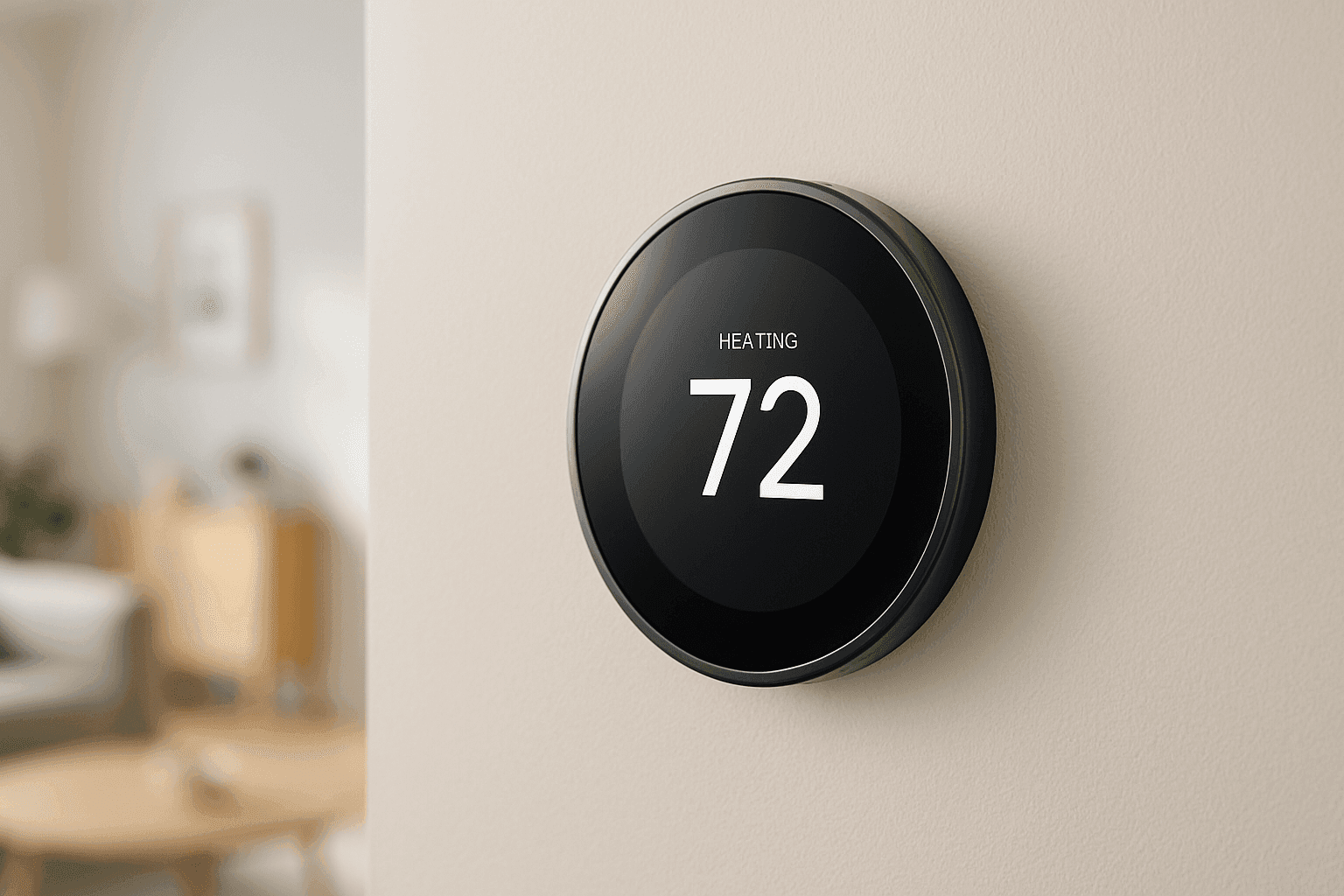
Whether you’re shivering in winter or sweating through summer, your thermostat is the steering wheel for your comfort. With all the choices out there, picking the right thermostat can feel like navigating a maze—especially when energy bills, technology, and indoor air quality are all on the line.
At GOGO Heating, we help both homeowners and businesses find the perfect match. Let’s break down your options, so you can make a decision that keeps your space cozy and your wallet happy.
Types of Thermostats
Choosing the right thermostat starts with knowing what’s out there. Think of thermostats as the “brains” of your heating and cooling system—some are basic and reliable; others are smart and almost futuristic. Which one fits your needs best? Let’s explore.
Manual Thermostats
Simple. Reliable. Manual thermostats are the classic dial or lever style. Set your desired temperature, and that’s it. No fancy features—just pure, straightforward control.
- Pros: Easy to use, affordable, long-lasting.
- Cons: No scheduling. You must adjust the temperature by hand each time you want a change.
Manual thermostats are a good fit for smaller spaces or areas with consistent occupancy. They work well if your routine doesn’t change much.
Programmable Thermostats
Programmable thermostats are like setting your favorite playlist on repeat. You choose your ideal temperatures for different times of day or week, and the thermostat takes care of the rest.
- Pros: Helps lower energy bills, more control, works with most modern HVAC systems.
- Cons: Can be tricky to program at first, requires battery changes or power source.
These are perfect for busy families or offices with regular hours. Set it and forget it—no more coming home to a cold house.
Smart Thermostats
Smart thermostats are like having a personal assistant for your comfort. They connect to Wi-Fi, learn your habits, and can be controlled from your phone—even if you’re miles away.
- Pros: Best energy savings, remote control, learning features, integrates with smart home devices.
- Cons: Higher upfront cost, may need professional installation, requires a stable internet connection.
If you travel often, manage multiple properties, or want to maximize energy efficiency, smart thermostats are the gold standard.
Key Features to Consider 🛠️
It’s not just about the style. Look for features that make a real difference:
- Scheduling: Can you set up daily or weekly programs?
- Remote Access: Does it work with your smartphone or voice assistant?
- Learning Capability: Will it adapt to your routine over time?
- Zoning: Can it control different areas (zones) separately?
- Alerts: Does it notify you about maintenance needs or extreme temperatures?
- Display: Is the screen easy to read, day and night?
- Energy Reports: Does it track your usage and suggest ways to save?
Think about your day-to-day life. The best thermostat is the one that fits your routine, not the other way around.
Compatibility With Your HVAC System
Before buying, check if the thermostat matches your heating and cooling setup. It’s like making sure a puzzle piece fits—otherwise, nothing works right.
- System Type: Do you have forced air, radiant, heat pump, or something else?
- Voltage: Low-voltage (24V) systems are most common, but some buildings use line-voltage (120V+).
- Wiring: Some smart thermostats need a “C-wire” (common wire) for power.
- Zoning: If you have separate thermostats for different areas, make sure your new one supports it.
The U.S. Department of Energy recommends consulting your HVAC manual or a licensed technician to confirm compatibility. If you’re unsure, our thermostats service team can help.
Thermostat Placement Tips 📍
Where you place your thermostat is just as important as which one you choose. Imagine putting a thermometer next to your oven—it wouldn’t tell you the real room temperature.
- Avoid Direct Sunlight: Sunbeams can trick your thermostat into reading artificially high temperatures.
- Stay Clear of Drafts: Avoid spots near doors, windows, or vents.
- Central Location: Place it on an interior wall, about 5 feet from the floor, for the most accurate reading.
- Away From Appliances: Electronics and lamps can give off heat and skew the reading.
Following placement guidelines from ENERGY STAR and building codes helps ensure your system runs efficiently and keeps every room comfortable.
Professional Installation Benefits 🧑🔧
While some thermostats are DIY-friendly, there’s real value in professional installation—especially for programmable and smart models.
- Safe Wiring: HVAC wiring involves live voltage. Incorrect setup can damage your system or create safety issues.
- Optimal Placement: Technicians know where to install your thermostat for best performance.
- System Testing: Pros check that the thermostat communicates properly with your heating and cooling equipment.
- Setup and Training: We’ll walk you through programming, app setup, and answer your questions.
Improper installation can void your warranty or even violate local codes. For peace of mind and peak efficiency, consider booking installation with our HVAC installation experts.
Real-World Scenario: Making the Right Choice
Picture this: a business owner in a bustling office. Employees arrive at different times. The old manual thermostat means someone is always too hot or too cold. Upgrading to a programmable or smart thermostat lets the system adjust automatically, saving money and keeping everyone comfortable—all without daily thermostat drama.
At home, imagine a family whose schedule changes day to day. A smart thermostat learns their habits, turning down the heat when the house is empty and warming things up before they return. That’s comfort and savings, working quietly in the background.
Safety Checklist: Thermostat Upgrades
- Turn off power at the breaker before starting any installation.
- Check your HVAC manual for compatibility notes.
- Never cut or join wires unless you understand the diagram.
- If unsure, call a licensed HVAC professional.
- Follow manufacturer instructions and local building codes.
For more on safe installation, visit resources from the National Fire Protection Association (NFPA) and Occupational Safety and Health Administration (OSHA).
FAQ: Thermostats Near You
How much does a new thermostat save on energy bills?
According to ENERGY STAR, programmable and smart thermostats can save up to 10% a year on heating and cooling.
Can I install a smart thermostat myself?
Some models are DIY, but many require wiring expertise and a compatible system. If in doubt, let a pro handle it.
How do I know if my thermostat is working right?
If your heating or cooling doesn’t respond, or the display is blank, it’s time for a checkup. GOGO Heating offers thermostats for Minot, North Dakota and surrounding areas.
What’s the best thermostat for allergy sufferers?
Smart thermostats that integrate with air quality sensors or whole-home filtration systems help manage indoor air quality.
Local & Seasonal Considerations
In cold climates, such as Minot, North Dakota, a reliable thermostat is more than a convenience—it’s a necessity. Extended cold snaps can strain heating systems. A smart thermostat can alert you to sudden temperature drops or system failures, helping prevent frozen pipes and costly repairs.
Commercial spaces often have unique needs. Multi-zone programmable thermostats balance comfort across offices, lobbies, and meeting rooms—keeping everyone productive, no matter the weather outside.
The Bottom Line
The right thermostat puts you in control of comfort and savings. Whether you’re managing a home or a business, GOGO Heating makes it easy to upgrade, install, and maintain the perfect thermostat for your needs.
Call GOGO Heating now — or reach us anytime at 844-467-0847 .