Commercial Hood & Exhaust Installation: What to Expect
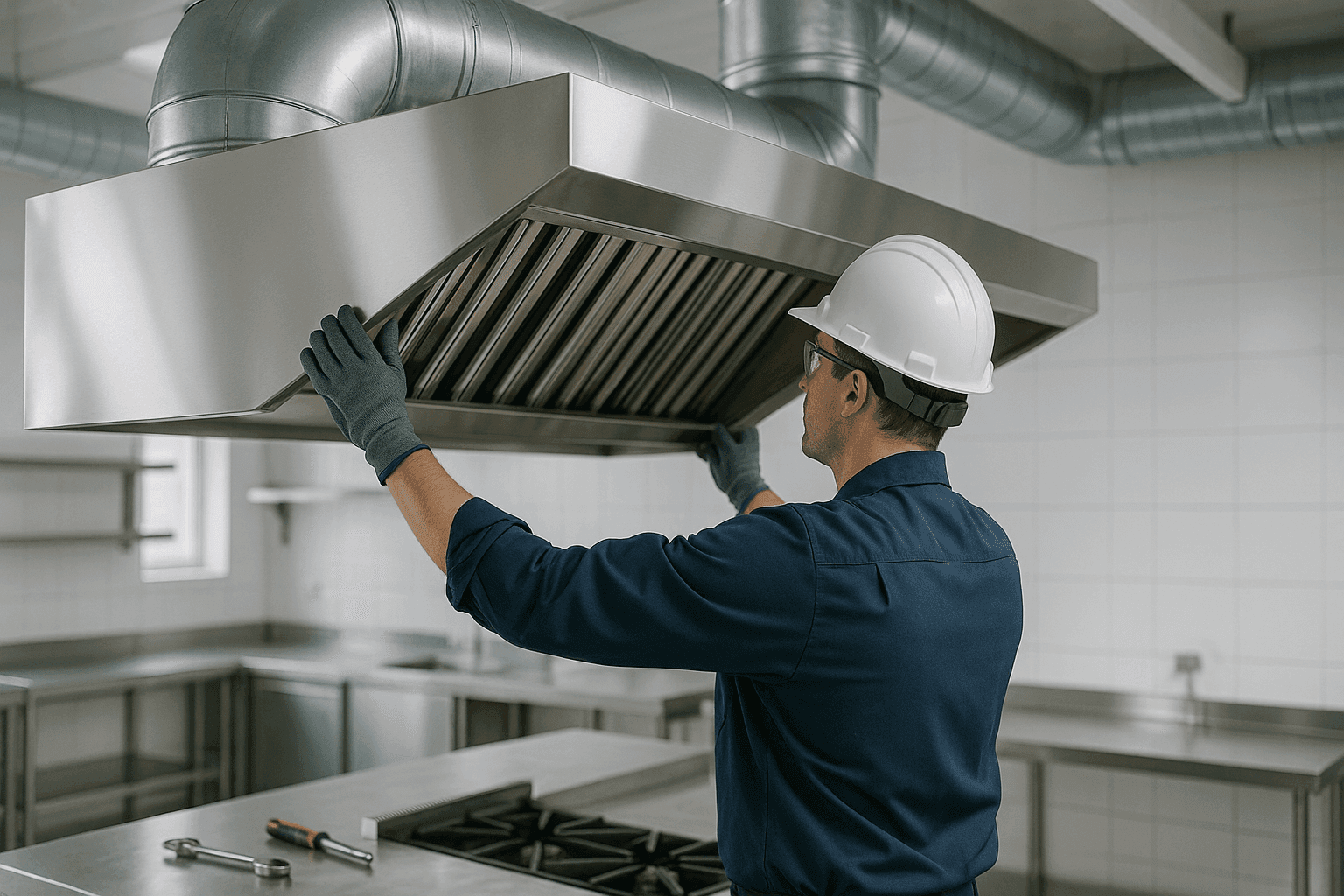
Running a commercial kitchen or facility is a bit like conducting an orchestra. Every component needs to be in tune for the whole system to work in harmony. Your hood and exhaust system? That’s the conductor. Without it, things quickly fall out of sync—air quality drops, safety risks rise, and even a simple lunch shift can grind to a halt.
At GOGO Heating, we understand the challenges and responsibilities that come with maintaining safe, efficient, and code-compliant spaces. If you’re planning a new installation or upgrading an old one, knowing what to expect can make the process smoother—and safer—for everyone involved.
Why Proper Hood & Exhaust Installation Matters 🍃
A hood and exhaust system isn’t just a fancy fan over your stove or workspace. It’s the frontline defense against grease, smoke, heat, and airborne contaminants. A properly installed system:
- Protects your staff and customers from harmful particulates and gases.
- Reduces fire hazards by capturing and venting grease-laden vapors.
- Maintains clear indoor air quality—vital for any business, especially with strict local regulations.
- Keeps your heating and HVAC systems running efficiently, so you’re not battling against trapped heat or polluted air.
An improperly installed exhaust is like a leaky umbrella in a storm: it looks fine until you really need it. And that’s not a risk worth taking.
Key Steps in the Installation Process 🛠️
No two buildings are identical, but quality hood and exhaust installation follows a clear path. Here’s what to expect:
1. Site Assessment
GOGO Heating starts with a detailed walk-through. We look at:
- Kitchen or workspace layout
- Existing HVAC and heating systems
- Ventilation paths and obstacles
- Electrical and utility access
This prevents surprises down the road.
2. System Design
We custom-design every system to fit your space, workload, and code requirements. This involves precise sheet metal work, airflow calculations, and coordination with other building services. It’s the difference between a tailored suit and a one-size-fits-all jacket.
3. Fabrication & Pre-Assembly
Using high-quality materials, our team fabricates ductwork, hoods, and exhaust components. This often happens off-site for efficiency.
4. Installation
This is where the sparks fly (sometimes literally). We:
- Mount hoods securely to ceilings or walls
- Run ductwork, ensuring airtight connections
- Install exhaust fans and make-up air units
- Integrate fire suppression (if required by code)
- Connect electrical and control systems (including thermostats near you when needed)
- Test for leaks, airflow, and system balance
5. Final Inspection
Before we hand over the keys, everything gets inspected. We check for compliance, test airflow, and make sure the system is ready for daily use.
For more details, see our sheet metal service page.
Code Compliance and Safety 🔒
Commercial hood and exhaust systems are subject to rigorous codes for a reason. A shortcut now can mean big problems later. Key codes and guidelines include:
- NFPA 96: The gold standard for ventilation control and fire protection.
- International Mechanical Code (IMC): Covers design, installation, and maintenance requirements.
- Local health department rules, which may be even stricter.
What does this mean for you?
- Fire suppression systems are often required.
- Materials must be non-combustible and installed to exact specifications.
- Exhaust outlets need proper clearance from other air intakes or buildings.
- Routine maintenance and documentation are mandatory.
Staying on top of these requirements isn’t just about avoiding fines—it’s about safeguarding your people and property.
For Norman-area projects, see Hood & Exhaust Installation in Norman, Oklahoma.
Maintenance After Installation 🧰
Think of your hood and exhaust system like a car engine. It needs regular attention to keep running smoothly. Neglect can lead to breakdowns—or worse, fires.
Maintenance Checklist
- Monthly: Clean grease filters and inspect ductwork for buildup.
- Quarterly: Check fan operation, belts, and electrical connections.
- Annually: Full system inspection by a certified technician, including airflow testing and fire suppression checks.
- As needed: Replace filters, repair damaged sheet metal, and recalibrate thermostats near you.
Refer to the National Fire Protection Association and manufacturer recommendations for specifics.
Common Pitfalls to Avoid 🚩
Even well-meaning business owners can fall into traps when it comes to hood and exhaust installation. Watch out for:
- Cutting corners: Using cheap materials or skipping steps to save money leads to early failure.
- Ignoring codes: What works in one town may be illegal in another.
- DIY attempts: Installing these systems is not a weekend project. One missed seal or loose wire can create hazards.
- Skipping airflow balance: Without proper air balancing, your system struggles, affecting both comfort and safety.
- Neglecting maintenance: Out of sight, out of mind—until a fire marshal or inspector pays a visit.
For professional-grade installation, see our HVAC installation service.
Frequently Asked Questions
How long does a typical installation take?
Most commercial hood and exhaust installations take between two days and one week, depending on complexity and permitting. Custom fabrication or challenging site conditions can stretch this out.
Can you install a hood system in an older building?
Yes, but retrofits often require extra planning. We assess structural supports, existing HVAC, and electrical systems to ensure everything works together safely.
What are signs my existing system needs replacement?
Warning signs include:
- Persistent smoke or odors
- Loud or vibrating fans
- Grease buildup outside the hood
- Repeated code violations
Is a professional installation really necessary?
Absolutely. These systems protect lives, property, and business licenses. Professional installation ensures code compliance, safety, and long-term reliability.
Local and Seasonal Considerations 🌦️
Weather, building codes, and local utility requirements can impact your project. For example:
- In cold climates, extra insulation may be needed to prevent condensation in ducts.
- Some areas require energy recovery systems or specific air filtration methods.
- Local inspectors may have unique documentation or inspection processes.
Always check with local authorities and reference the latest codes from NFPA and the International Code Council.
Every detail matters when it comes to commercial hood and exhaust installation. With GOGO Heating, you get a team that treats your project with the care it deserves—from design to maintenance. Want to get started, or have questions about your next project?
Call GOGO Heating now — or reach us anytime at 844-467-0847 .