Home Energy Audits: What They Include & Why They Matter
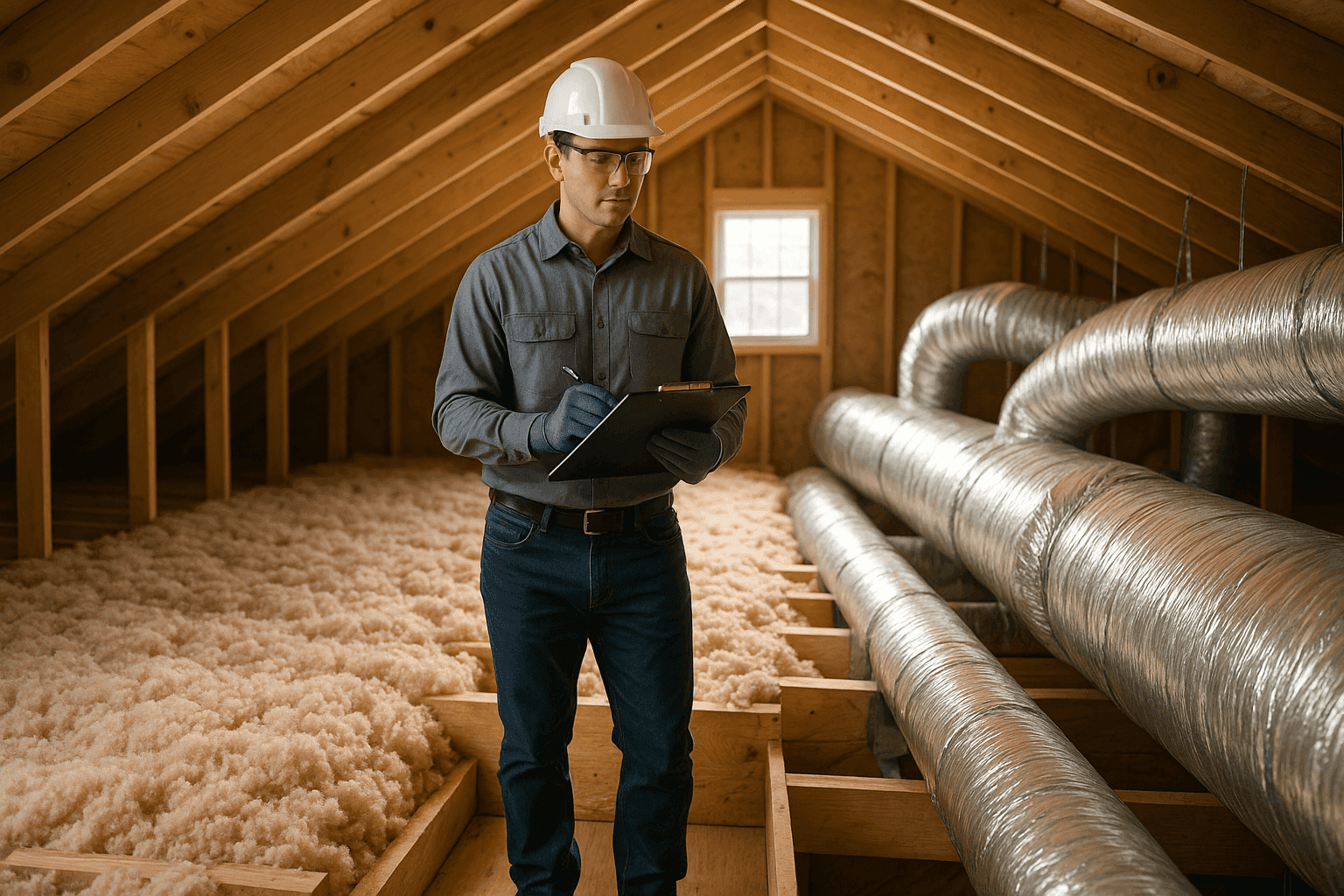
Are your heating bills creeping higher, no matter how you adjust the thermostat? Maybe one room is always freezing while another feels stuffy. It’s not just frustrating—it costs you. At GOGO Heating, we see this every day in homes and businesses. The root problem? Hidden energy waste.
A home energy audit is like shining a flashlight into the dark corners of your property. It reveals where your comfort—and dollars—slip right through the cracks.
What Is a Home Energy Audit? 🔎
Imagine your home or business as a bucket. If there are leaks, no matter how much water you pour in, it never stays full. A home energy audit finds those leaks—not with water, but with warm air, cool air, and money.
An audit is a detailed inspection of how your property uses and loses energy. Auditors use specialized tools, their trained senses, and building science know-how. The goal: pinpoint hidden inefficiencies and recommend changes that mean real savings and better comfort.
The U.S. Department of Energy and the Building Performance Institute both recommend audits as the first step in any serious energy improvement plan.
Steps in the Audit Process
Getting a home energy audit isn’t just a quick glance at your furnace. It’s a step-by-step journey through your property’s bones and lungs. Here’s what you can expect:
- Initial Walkthrough: The auditor talks with you to understand comfort issues, past heating or cooling repairs, and energy goals.
- Inspection of Heating & Cooling: Checking your furnace, thermostat, air filters, and HVAC ductwork for problems.
- Blower Door Test: This fan temporarily installed in an exterior door measures how “leaky” your building is.
- Infrared Scanning: Special cameras see cold spots behind walls—like x-ray goggles for insulation gaps.
- Room-by-Room Review: Each space is checked for drafts, insulation, window quality, and proper airflow.
- Combustion Safety Checks: For gas appliances, safety comes first. Auditors check for carbon monoxide risks and venting issues.
- Report & Recommendations: You’ll get a detailed report—plain language, not technical babble—with practical fixes prioritized by impact.
A thorough audit takes between 2–4 hours for most homes and small businesses.
What Auditors Look For
Energy auditors are detectives looking for wasted heat and money. Here’s what they focus on:
- Attic & Wall Insulation: Thin, missing, or poorly installed insulation is a silent thief of comfort.
- Windows & Doors: Drafts, old panes, and poor seals act like holes in your wallet.
- HVAC Maintenance: Is your system overdue for HVAC maintenance? Dirty filters and clogged ducts force your furnace to work overtime.
- Duct Leaks: Even small gaps let conditioned air escape into unused spaces.
- Thermostat Placement & Operation: Smart thermostats near you can help, but only if they’re installed and programmed correctly.
- Lighting & Appliances: Inefficient bulbs and outdated appliances can quietly spike your bills.
- Moisture Problems: Mold, condensation, or dry air signal bigger issues with air flow or insulation.
Every building is unique, so your audit will focus on your specific concerns and layout.
Benefits for Homeowners and Businesses 🏠
A home energy audit is more than a report—it’s a roadmap to improvements that matter. Here’s how:
- Lower Energy Bills: Plugging leaks, improving insulation, and upgrading filters means your heating system runs less often.
- Improved Comfort: No more “hot upstairs, cold basement.” Air balancing and duct repair keep temperatures even.
- Better Indoor Air Quality: Addressing leaks and updating air filters reduces dust, allergens, and stale air.
- Longer System Life: Regular filter changes and maintenance lighten the load on your HVAC equipment.
- Increased Property Value: Energy-efficient upgrades are a selling point for future buyers.
- Environmental Impact: Using less energy eases the strain on local grids and reduces your carbon footprint.
Even small changes, like sealing a few duct leaks or adding insulation, can pay for themselves within a season or two.
How to Act on Audit Results
A home energy audit gives you a clear action plan—but only if you use it. Here’s how to get started:
- Tackle the Big Leaks First: Air sealing and insulation usually offer the biggest returns.
- Update Old Filters: Swap out dirty or undersized filters to improve both air quality and system efficiency.
- Fix Duct Issues: Seal and insulate ductwork, especially in attics or crawl spaces.
- Adjust Thermostat Settings: Set schedules that match your lifestyle or business hours.
- Consider Upgrades: As budgets allow, invest in newer HVAC systems, programmable thermostats, or whole-house fans.
Whenever possible, follow local building codes and safety guidelines—like those from the International Energy Conservation Code (IECC).
Cost-Saving Examples
A leaky home can lose up to 30% of its heated (or cooled) air, according to the U.S. Department of Energy. In real dollars, that could mean $300–$700 a year wasted. A home energy audit helps you keep more of that money where it belongs: in your pocket.
Businesses often find utility incentives or rebates for making recommended improvements, too.
Practical Tips: Before and After the Audit
- Before: Make a list of comfort issues (drafty rooms, dry air, high bills). Gather past utility bills for the auditor.
- After: Follow through on the “easy wins”—like filter changes or thermostat tweaks—right away. Schedule larger upgrades during the off-season for best pricing and availability.
Frequently Asked Questions
How often should I get a home energy audit?
Most homes and businesses benefit from an audit every 5–7 years, or after major renovations, HVAC upgrades, or big changes in occupancy.
Is it worth it for newer homes?
Absolutely. Even new construction can have gaps, poor air sealing, or HVAC issues that a careful audit will spot.
Will an audit disrupt my day?
Not much. You’ll need to be present to let the auditor in and answer questions, but most audits wrap up in a half day.
Local/Seasonal Considerations 🌨️
Energy audits aren’t just for old homes in cold climates. In Parker, Colorado, for example, our winters are brisk and our summers can test any HVAC system. That’s why so many residents search for Home Energy Audits near me in Parker, Colorado. A tailored inspection makes sure your heating and cooling run efficiently, no matter the season.
Ready to Take Control of Your Comfort?
Energy doesn’t have to slip through your fingers. If you feel drafts, see rising bills, or want a healthier indoor climate, a home energy audit with GOGO Heating can show you where to start.
Call GOGO Heating now — or reach us anytime at 844-467-0847 .