Heating System Warranty: What’s Covered and What’s Not?
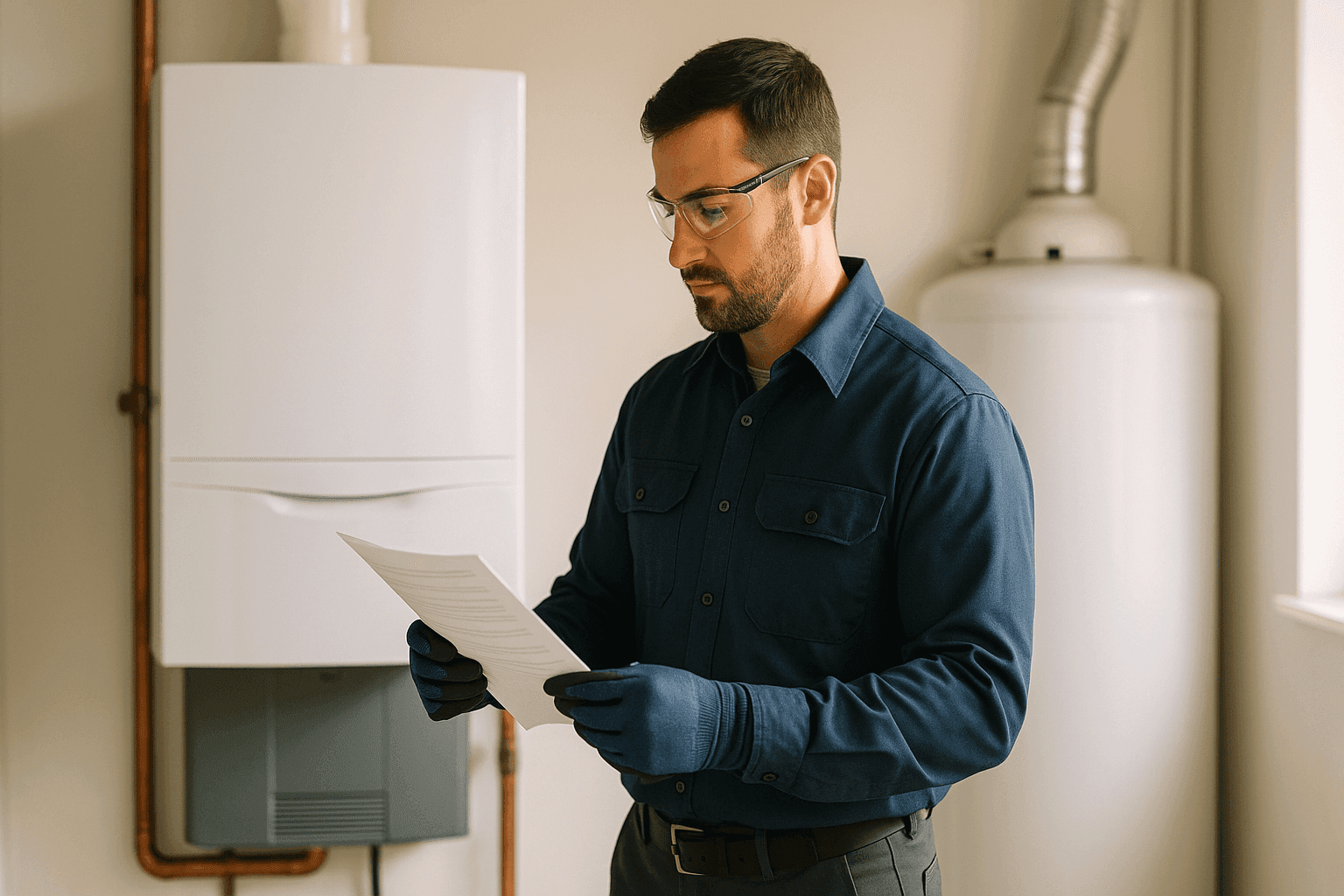
Is your heating system’s warranty rock solid—or riddled with holes? When winter bites, you want more than guesswork. You want confidence. At GOGO Heating, we’ve seen every side of heating warranties—what works, what doesn’t, and where homeowners (and businesses) get tripped up. We’re here to help you avoid costly surprises.
Let’s break down the fine print, clear the fog, and make sure you never get caught out in the cold.
What Most Heating Warranties Cover 🔍
Think of your heating system warranty as a safety net—not a magic shield. Most warranties step in when something goes wrong due to a manufacturer’s flaw or a part that just wasn’t built right.
Here’s what’s usually covered:
- Major parts: Heat exchangers, compressors, blower motors, circuit boards, and other critical components.
- Labor (sometimes): Many manufacturer warranties cover parts only. Labor may be included for a limited time or with upgraded coverage.
- Specific time frames: Typical coverage is 5 to 10 years for major components. Some stretch longer for heat exchangers.
Warranties for new heating installation jobs often kick in the day your system is installed. Registration is almost always required—miss that step, and your coverage can shrink or vanish.
If your system includes upgrades—like whole-house fans, air scrubbers, or smart thermostats—these may have their own warranties, separate from the main furnace or heat pump.
Pro tip: Always keep your warranty documents and registration info in a safe spot. Take a photo for backup.
Common Exclusions and Limitations
Every safety net has holes. Heating warranties are no different. Here’s where the fine print can catch you off guard:
- Improper installation: If the system wasn’t installed by a licensed pro, coverage is often denied. DIY jobs rarely qualify.
- Lack of maintenance: Skipped annual tune-ups? Didn’t change your filter? Warranties can be voided for neglect.
- Normal wear and tear: Parts that wear out from everyday use—think filters, belts, or fuses—are usually not covered.
- Accidental damage: Floods, fires, power surges, or physical damage rarely fall under warranty.
- Non-original owners: Some warranties shrink or disappear if the home or business changes hands.
You may also see exclusions for:
- Aftermarket parts or unauthorized repairs
- Use outside the intended purpose (like residential systems used in commercial spaces)
- Environmental factors (corrosive air, salt, etc.)
Remember: If it’s not in writing, assume it’s not covered. For specifics, review the warranty that came with your furnace installation or ask your installer for details.
How to Avoid Voiding Your Warranty 🛑
Picture your warranty as a delicate contract. Break the rules, and it slips away. Avoiding these warranty killers is key:
1. Always Use Licensed Professionals
Most warranties require installation and repairs by certified technicians. That’s us—GOGO Heating. We know the codes, we follow the steps, and we provide paperwork.
2. Stick to the Maintenance Schedule
Annual checkups aren’t just good sense—they’re usually mandatory. Save those service receipts. Your warranty may depend on it.
3. Register Your System
Registering your heating system or thermostat near you isn’t optional. Some brands give you only 30–90 days post-installation. Don’t wait.
4. Use Approved Parts
Cutting corners with off-brand or secondhand parts can void coverage. Stick with what’s approved by the manufacturer.
5. Keep Records
Hold onto receipts, reports, and registration confirmations. If a claim ever comes up, you’ll be ready.
Tips to Maximize Warranty Value
A warranty is only as strong as your approach. Here’s how to squeeze every drop of value from your heating system coverage:
- Schedule annual maintenance with a trusted team. (That’s us!)
- Change filters regularly—not just when the system acts up.
- Log every repair and tune-up in a dedicated folder or digital file.
- Register new equipment online, right after installation.
- Ask about transferable warranties if you’re planning to sell your home or building.
- Read the fine print on optional components like humidifiers or dehumidifiers—they may have shorter coverage.
If you’re not sure your warranty is still valid, check the manufacturer’s website or reach out to your installer. The U.S. Department of Energy also offers advice on maximizing efficiency and protecting your system investment.
Real-World Scenarios: What Happens When You File a Claim
Let’s say your furnace stops working mid-January. You call GOGO Heating. Here’s what typically happens:
- We diagnose the problem—on-site or via 24-hour emergency service.
- We check your warranty status and confirm coverage for the failed part.
- We handle the paperwork and order the replacement, if it’s a covered issue.
- We install the part and get your heat back—fast.
If the part isn’t covered, we’ll walk you through your options, costs, and next steps. No runaround.
When Should You Upgrade or Replace Instead of Repair?
Warranties help, but they can’t bring an old furnace back from the brink. If your heating system is nearing its end, consider:
- Age: Most furnaces last 15–20 years. After that, repairs add up fast.
- Repair frequency: If you’re calling for help more than once a year, it’s time to talk.
- Energy bills rising: Older systems cost more to run—even if parts are under warranty.
For modern, efficient comfort, a new HVAC installation can be the smarter investment.
FAQ: Heating System Warranty Questions
Q: Do I need maintenance to keep my warranty?
A: Yes. Manufacturers often require annual professional maintenance. Skipping it can void your protection.
Q: Are all parts covered the same way?
A: No. Major components may get long-term coverage, but small items (filters, belts) usually don’t.
Q: Can I transfer my warranty if I sell my home or building?
A: Sometimes. Some brands allow it, others don’t, or require a transfer fee.
Q: What about extended warranties?
A: These can add labor coverage or extend the years, but always read the terms before you buy.
Local and Seasonal Considerations
Here in New England, winters test every heating system. That’s why staying on top of your warranty—and keeping up with HVAC codes and ASHRAE recommendations—matters. If you’re searching for Heating Installation near Burlington, Vermont, make sure your warranty fits our climate, not just a national standard.
Protecting your heating investment is about more than paperwork—it’s about peace of mind all season long. Want help registering your system, scheduling maintenance, or understanding your coverage?
Call GOGO Heating now — or reach us anytime at 844-467-0847 .