Heating System Safety: What Every Family Should Know
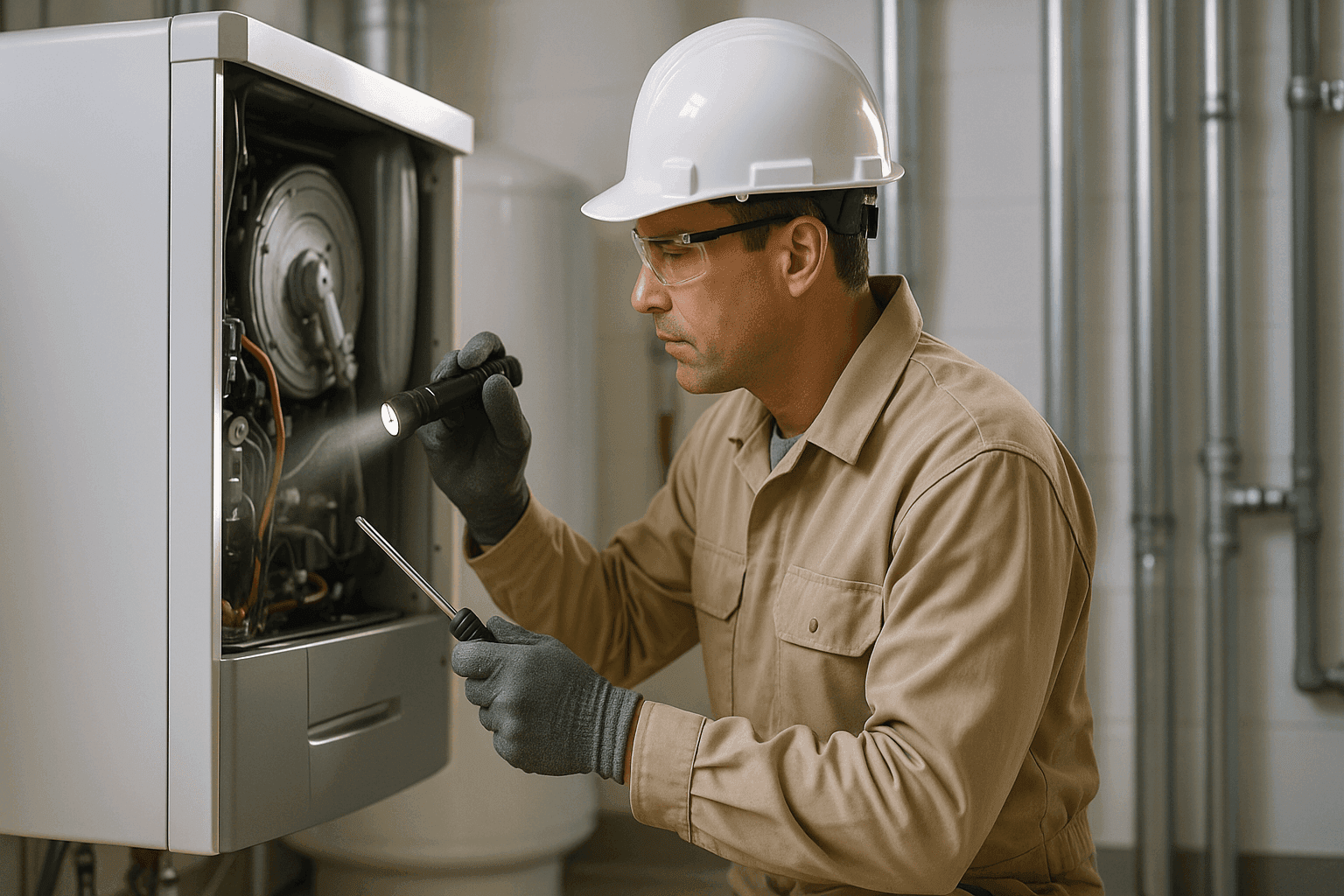
Staying warm should never come at the cost of safety. Every winter, families and businesses trust their heating systems to keep the cold at bay, but a hidden risk could be lurking in the ductwork, thermostat, or even the filter. At GOGO Heating, we know that a little knowledge can prevent big problems.
Whether you rely on a furnace, heat pump, radiant system, or geothermal setup, safe operation is non-negotiable. Let’s break down the essential safety facts every family and business owner should know—so you can breathe easy and stay cozy.
Top Heating Safety Risks 🛑
Heating equipment is a lifeline in cold months, but it’s also among the top causes of household fires and carbon monoxide incidents according to the National Fire Protection Association (NFPA) and U.S. Consumer Product Safety Commission (CPSC).
Here’s where trouble often starts:
- Blocked or Dirty Filters: Restrict airflow. Make the system work harder. Sometimes lead to overheating or even carbon monoxide buildup.
- Cracked Heat Exchangers: Invisible, but deadly—can leak carbon monoxide into your living spaces.
- Improper Venting: Chimneys, flues, or exhausts blocked by debris or bird nests can trap dangerous gases inside.
- Aging Wiring: Outdated or damaged thermostats and controls can spark fires.
- DIY Repairs: Well-meaning fixes may violate code or miss hidden dangers.
If you picture your heating system like the heart of your home, imagine what happens if an artery clogs or a valve leaks. The results can be sudden and serious.
Safe Operation Tips for All Systems
A few habits can make all the difference. These aren’t just for furnaces—heat pumps, boilers, and radiant floors benefit too.
- Change Filters Regularly: Every 1–3 months (or as manufacturer suggests). Clogged filters force your system to overwork and can reduce air quality. Learn more about our filter services.
- Keep Areas Clear: Don’t store boxes, laundry, or flammable items next to your furnace, boiler, or ducts.
- Install Carbon Monoxide Detectors: Place near every sleeping area and check batteries monthly.
- Test Smoke Alarms: At least once a month, and replace every 10 years.
- Know Your Shutoff: Learn where the emergency gas or power shutoff is located.
- Schedule Annual Maintenance: This is the best way to catch problems before they escalate. Heating Maintenance near you can save more than just money.
- Ventilation Matters: Make sure exhaust pipes, chimneys, and vents are clear and unobstructed.
- Watch for Recalls: Occasionally, manufacturers issue safety recalls for thermostats or gas valves.
Signs of Unsafe Equipment
Some warnings are subtle; others hit like a freight train. Watch for these red flags:
- Unusual Noises: Banging, rattling, or screeching from your furnace or ducts.
- Burning Smells: Persistent burning or chemical odors—not just when you turn the heat on after summer.
- Soot or Rust: Black marks around vents, burners, or on appliances.
- Yellow Pilot Light: Gas flames should burn blue. A yellow or flickering flame signals trouble.
- Frequent Cycling: System turns on and off rapidly or fails to start at all.
- Condensation or Moisture: On windows or walls near heating equipment.
- Sudden Headaches or Nausea: Especially around heating equipment—may signal carbon monoxide.
If your system is showing any of these signs, it’s time to take action. Don’t wait until it’s too late.
What to Do in an Emergency 🚨
Emergencies can escalate in seconds. Here’s your action plan:
- Smell Gas? Leave immediately. Don’t use switches or phones inside. From a safe distance, call your gas company and emergency services.
- Carbon Monoxide Alarm Sounds? Get everyone outside fast. Seek medical attention if anyone feels ill. Only re-enter after a professional says it’s safe.
- Electrical Fire or Smoke? Shut off power at the panel if you can do so safely, then call 911.
- System Shuts Down in Extreme Cold? Bundle up, use safe alternative heat sources (no grills or ovens), and call for emergency service.
Safety codes from sources like the National Fire Protection Association (NFPA 54) and your local building department are there for a reason—follow them. Never try to fix a suspected gas, electrical, or carbon monoxide issue yourself.
When to Call a Professional
Some jobs are like swimming in deep water—you need the right training and tools. Call GOGO Heating if:
- You smell gas, or suspect a carbon monoxide leak.
- The system won’t start, or you see error codes.
- You hear grinding, squealing, or metal-on-metal noises.
- Your thermostat is unresponsive or reading incorrectly.
- Filters are clogged and you’re unsure how to change them.
- You need annual maintenance or repairs—especially before heating season.
- Your energy bills spike for no clear reason.
Professionals aren’t just there to fix emergencies. Preventive heating maintenance can extend your system’s life, improve efficiency, and keep your family safer year-round.
Heating Safety Checklist
- Change or clean filters regularly.
- Test smoke and carbon monoxide detectors.
- Keep heating areas clear of clutter.
- Schedule annual professional inspections.
- Check vents, exhausts, and chimneys for blockages.
- Never ignore strange sounds or smells.
- Know your emergency shutoffs.
Local & Seasonal Considerations 🌨️
In colder climates, systems work harder—meaning problems can appear faster. Before the first frost, schedule a preseason checkup. In spring, consider duct cleaning to remove dust and debris that can become a fire hazard next winter.
If you live in a newer, tightly sealed building, indoor air quality (IAQ) can suffer when heating runs often. Ask about IAQ testing, humidifiers, or air scrubbers for a healthier environment.
FAQ: Heating Safety
How often should I change my furnace filter?
Most homes need a new filter every 1–3 months. If you have pets, allergies, or a high-traffic home, check monthly.
Is it safe to use space heaters as backup?
Only if they’re certified, plugged directly into the wall, and kept away from flammable materials. Never leave them unattended.
Why does my furnace make banging noises?
It could be expanding ducts, ignition problems, or loose internal parts. All should be checked by a technician.
What if my carbon monoxide detector keeps beeping?
Evacuate and call for help—don’t ignore or disable it. Even if it’s a false alarm, your safety takes priority.
Final Thoughts
A safe heating system is like a seatbelt—easy to take for granted, but vital when you need it most. Make safety checks part of your routine. And if anything seems off, don’t hesitate.
Call GOGO Heating now — or reach us anytime at 844-467-0847 .