Heating System Efficiency Ratings: What Do They Mean?
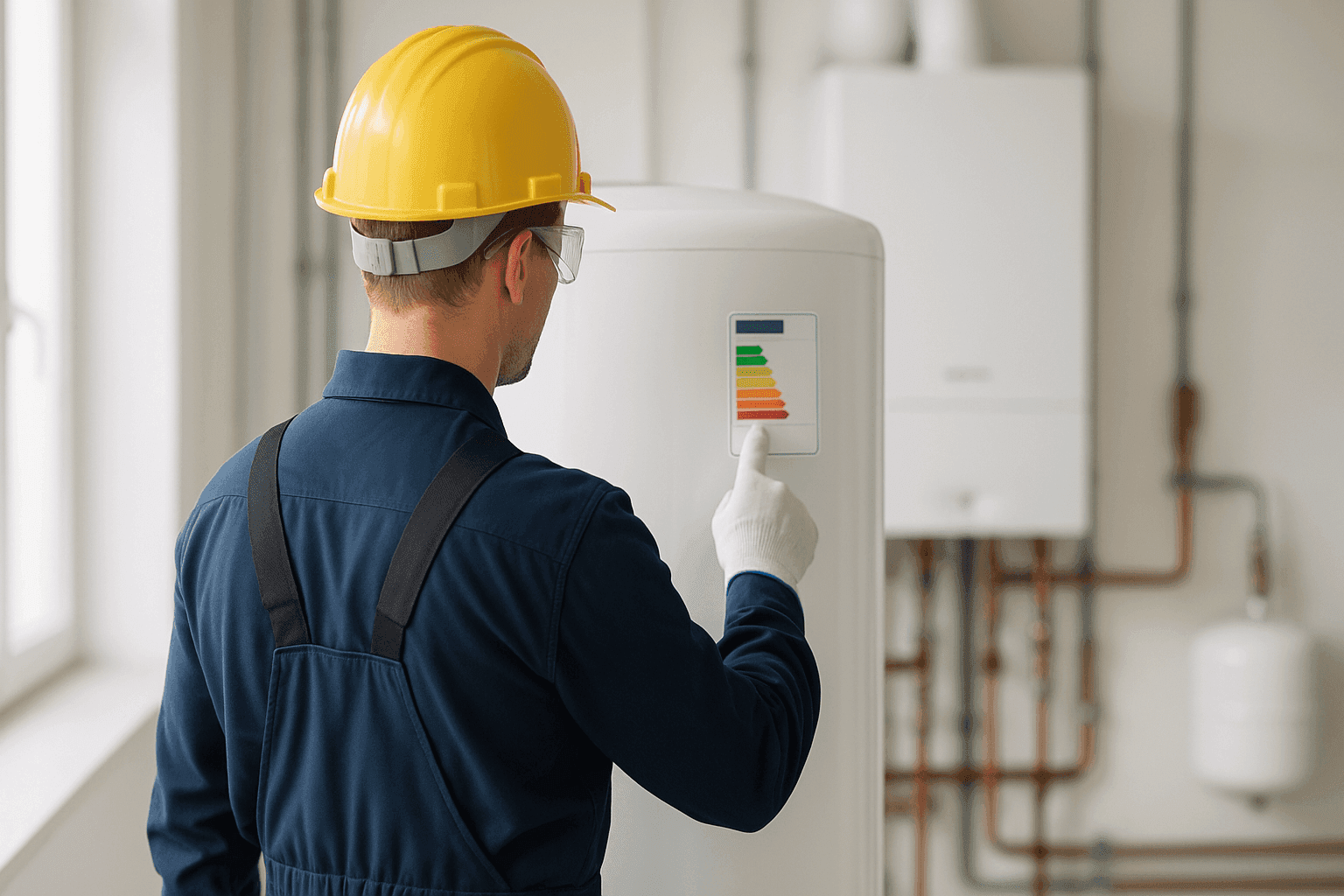
Is your heating system working for you—or against your wallet? When temperatures drop, you depend on your furnace or heat pump to keep your space cozy. But if you're not sure what those efficiency ratings mean, you could be missing out on comfort or savings.
At GOGO Heating, we meet homeowners and business owners every day who want straightforward answers. Let's turn the numbers and ratings into something you can actually use.
What Are Heating System Efficiency Ratings? 🏡
Think of efficiency ratings as your heating system’s report card. They tell you how much of the energy your furnace, boiler, or heat pump turns into real warmth, versus what gets wasted. Like miles-per-gallon in a car, higher numbers mean less waste and more comfort for every dollar you spend.
But why do these numbers matter? Because heating isn’t cheap—and those numbers tell you how much of your energy bill is actually heating your space, not just escaping out the chimney or ducts.
Why Efficiency Ratings Exist
- Help you compare different heating systems—apples to apples.
- Guide manufacturers to meet safety and environmental standards (like those set by the U.S. Department of Energy and local building codes).
- Give you control over comfort, costs, and your environmental footprint.
You don’t need to be a technician to understand the basics. Let’s break down the main types you’ll see.
AFUE and Other Common Metrics
You'll see a few acronyms tossed around in brochures and manuals. Here are the key ones explained—no jargon, just plain English.
AFUE (Annual Fuel Utilization Efficiency)
AFUE is the star of the show for furnaces and boilers. It’s a percentage score. If your system has an 80% AFUE, that means 80% of the fuel turns into heat for your building; 20% gets lost, usually as exhaust.
- 80% AFUE = 80 cents of every heating dollar warms your space.
- 95% AFUE = 95 cents per dollar stays inside, only 5 cents escapes.
Per the U.S. Department of Energy, modern gas furnaces must have at least 80% AFUE, but higher-efficiency models reach 95% or more.
HSPF (Heating Seasonal Performance Factor)
For heat pumps, look for HSPF. This number tells you how efficiently your system moves heat over a season. The higher the HSPF, the less electricity you use for the same warmth.
- 8.2+ HSPF is now standard for new systems in many climates.
SEER & EER
You might also spot SEER (Seasonal Energy Efficiency Ratio) and EER (Energy Efficiency Ratio). These are mainly for cooling, but in dual systems (like heat pumps), they matter year-round.
ENERGY STAR®
A quick shortcut: Look for the blue ENERGY STAR® label. This means the system meets tough federal efficiency criteria.
How Ratings Affect Your Bills 💡
Picture two houses, side by side, both set to 70°F. One uses an old 70% AFUE furnace; the other has a shiny new 96% AFUE model. The difference? Hundreds of dollars a year in energy costs.
Here’s how efficiency ratings impact you:
- Lower utility bills: Higher efficiency = less wasted energy.
- Comfort: Efficient systems heat more evenly, with fewer cold spots.
- Environmental benefits: Less fuel burned means fewer emissions.
- Long-term savings: Higher-efficiency systems may cost more upfront, but pay you back every month.
Real-World Example
If your old furnace eats $1,000 in gas each winter at 70% efficiency, you’re losing $300 to the sky. Upgrade to 95% and suddenly, only $50 escapes—$250 stays in your pocket.
Choosing the Right Efficiency for Your Needs
It’s not always about buying the “biggest number.” Your best bet depends on your home, business, budget, and even local climate.
Residential Tips
- Cold climates: If winters are long and harsh, higher efficiency pays off faster.
- Mild climates: Moderate AFUE may be enough if you heat just a few weeks a year.
- Older homes: Consider home energy audits to spot leaks or insulation gaps before upgrading your heater.
Commercial Tips
- Large buildings: Savings multiply with higher efficiency—think big-picture.
- Air quality: Efficient systems often include better air filtering, which matters for offices, schools, and healthcare settings.
Questions to Ask Before You Choose
- How long do you plan to stay in your building?
- What’s your local fuel cost—gas, oil, electric?
- Is your current ductwork or piping up to the task?
Real-World Steps: What Should You Do Next?
- Check your current system’s label or manual. Find the AFUE or HSPF rating.
- Schedule an energy audit. This shows if you could save more with insulation or duct upgrades.
- Talk to a pro. Heating installation isn’t just plug-and-play. The right size and type matter as much as the rating.
Need help? Heating Installation near me in North Las Vegas, Nevada
Frequently Asked Questions
Does a higher AFUE always mean better?
Not always. If you live where it barely freezes, ultra-high efficiency might not pay for itself. But in cold regions, it can pay off quickly.
Are old systems dangerous?
Older, inefficient systems aren’t just wasteful—they can be safety risks, especially if they burn fuel. The National Fire Protection Association and local building codes recommend annual inspections for safety and efficiency.
Can I upgrade just my thermostat?
A programmable or smart thermostat can boost efficiency by matching heating to your schedule. But the biggest gains come from upgrading the whole system or improving insulation.
How do I know if my ducts are wasting energy?
Leaky ducts can slash your system’s efficiency. Professional duct cleaning and sealing can help maximize your investment.
Local and Seasonal Considerations 🌦️
In places with hot summers and mild winters, like much of Nevada, you might only run the heat a few months. Here, heat pumps or moderate-efficiency furnaces may be a smart choice, especially when paired with HVAC installation tailored to your property.
But if you’re facing freezing nights, investing in higher efficiency is like buying a better coat—you’ll feel the difference every day.
Safety, Codes & Best Practices
Always follow manufacturer guidelines and local building codes when installing or replacing heating equipment. The International Code Council (ICC) and U.S. Department of Energy offer resources on system requirements and safe installation. When in doubt, ask for credentials and references from any contractor you hire.
Final Thoughts
Efficiency ratings don’t have to be a mystery. Whether you’re upgrading your home or outfitting a business, knowing what those numbers mean can save you real money—and keep you comfortable all season long.
Ready to boost your comfort and cut your bills?
Call GOGO Heating now — or reach us anytime at 844-467-0847 .