Heating Repair vs. Replacement: How to Decide
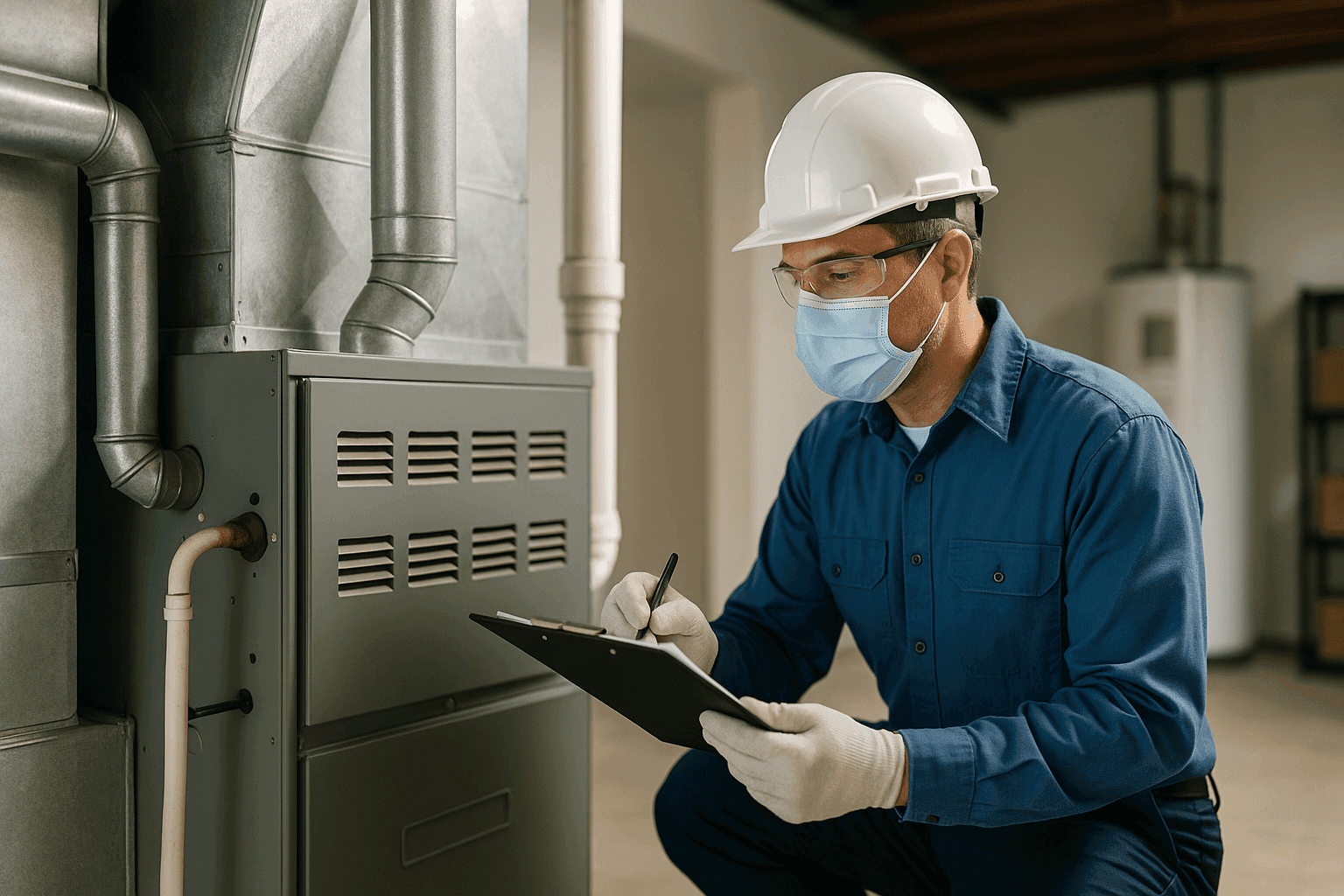
Chilly mornings. Unpredictable nights. The hum of your heating system isn’t just background noise—it’s the heartbeat of your home or business. When that heartbeat skips, what’s next? Should you repair, or is it time for a new system?
At GOGO Heating, we know this decision can feel overwhelming. Budgets matter. So does comfort. Your safety is never negotiable. Let’s break it down together.
Key Factors in the Repair vs. Replace Decision 🛠️
Think of your heating system like an old car. Sometimes, a quick fix gets you back on the road. Other times, repairs pile up until you wonder if it’s worth keeping. Here’s what to consider:
- Frequency of Repairs: If you’re calling for repairs more often than oil changes, it’s a sign.
- Heating Bills: Rising energy costs may hint at hidden inefficiencies.
- Temperature Consistency: Cold spots or slow warm-ups can signal deeper issues.
- Noise and Smell: Odd sounds or odors shouldn’t be ignored—they’re the check-engine light for your furnace.
For both residential and commercial spaces, these signals are your system’s way of asking for help.
Age and Condition of Your System
Just like appliances or cars, heating systems have a lifespan. Most furnaces last 15–20 years with regular maintenance, according to the U.S. Department of Energy. Geothermal and radiant systems may last longer, but wear and tear still take a toll.
Spot the warning signs:
- Rust, cracks, or visible wear on components
- Repeated thermostat issues (“Thermostats near you” often need recalibration or replacement)
- Uneven heating, even after maintenance
If your system is older than your favorite pair of sneakers and breaks down frequently, replacement might be the wise choice.
Cost Comparison Over Time 💸
Repairs are like small leaks in a bucket. One or two? Manageable. But over time, those leaks add up.
Factor in:
- Cost of repeated repairs over 2–3 years
- Higher utility bills from inefficiency
- Possible rebates or incentives for upgrading (check Energy Star or local programs)
Rule of thumb: If repair costs approach 50% of a new unit, replacement is usually more cost-effective.
For homes and businesses, investing in a new system can mean lower bills, fewer headaches, and improved comfort.
Safety and Efficiency Considerations
Safety isn’t just a buzzword. It’s the foundation of every heating decision.
Red flags that demand action:
- Carbon monoxide risk (cracked heat exchangers can leak this silent danger)
- Gas smells or electrical burning odors
- Unusual loud bangs or rattling
The National Fire Protection Association and local codes require regular inspection of heating appliances. Old systems may not meet current safety or efficiency standards, putting you, your family, or your employees at risk.
Upgrading can offer features like:
- Advanced air scrubbers for better indoor air quality
- Smart thermostats for easier control
- Sealed combustion for improved safety
When to Get a Professional Opinion 🤔
DIY has its limits, especially with complex heating systems. If you’re unsure, call in a professional. GOGO Heating’s trained techs know the subtle signs that separate a quick fix from a critical issue.
Situations to call a pro:
- Sudden loss of heat, especially in freezing weather
- Repeated system cycling or short runs
- Visible water leaks, rust, or corrosion
- Electrical issues (trip breakers, flickering thermostats)
A licensed contractor can perform detailed diagnostics, including airflow testing, IAQ (indoor air quality) assessments, and energy audits. They’ll also check for compliance with building codes—critical for both safety and insurance.
Practical Tips for Smart Decisions
- Keep records: Track all repairs, maintenance, and service calls. Patterns help with decisions.
- Ask for a written estimate: This should outline repair costs, potential maintenance, and replacement options.
- Consider future needs: Are you planning renovations, adding square footage, or switching energy sources?
- Evaluate warranty status: Older systems may no longer be covered.
For advice tailored to your space, check out our heating-repair or furnace-repair services.
FAQ: Heating Repair vs. Replacement
Q: How do I know if my furnace is dangerous?
A: Warning signs include strange smells, soot, or pilot light issues. Install carbon monoxide detectors and follow NFPA guidelines.
Q: Will a new system save money on bills?
A: Modern heating units are often 20–40% more efficient than older models, according to Energy Star.
Q: What if I just need a new thermostat?
A: Sometimes, “Thermostats near you” are the culprit. But if temperature swings persist, deeper issues may exist.
Q: How fast can a replacement happen?
A: Most residential installs are completed in a day, but commercial and specialty systems may take longer—especially during peak season.
Local and Seasonal Considerations 🌨️
Winter in New England is a different beast than spring in the Midwest. If you’re in a region with harsh winters, downtime is not an option. Emergency repairs may be necessary, but replacement should be planned for mild weather if possible.
For those seeking Heating Repair in Burlington, local codes and weather patterns can influence your options. Always consult a contractor familiar with your area.
The Bottom Line
There’s no one-size-fits-all answer. The right call balances cost, comfort, safety, and future plans. If you’re stuck at a crossroads, let us help.
Call GOGO Heating now — or reach us anytime at 844-467-0847 .