Heating Installation: Top 7 Mistakes to Avoid
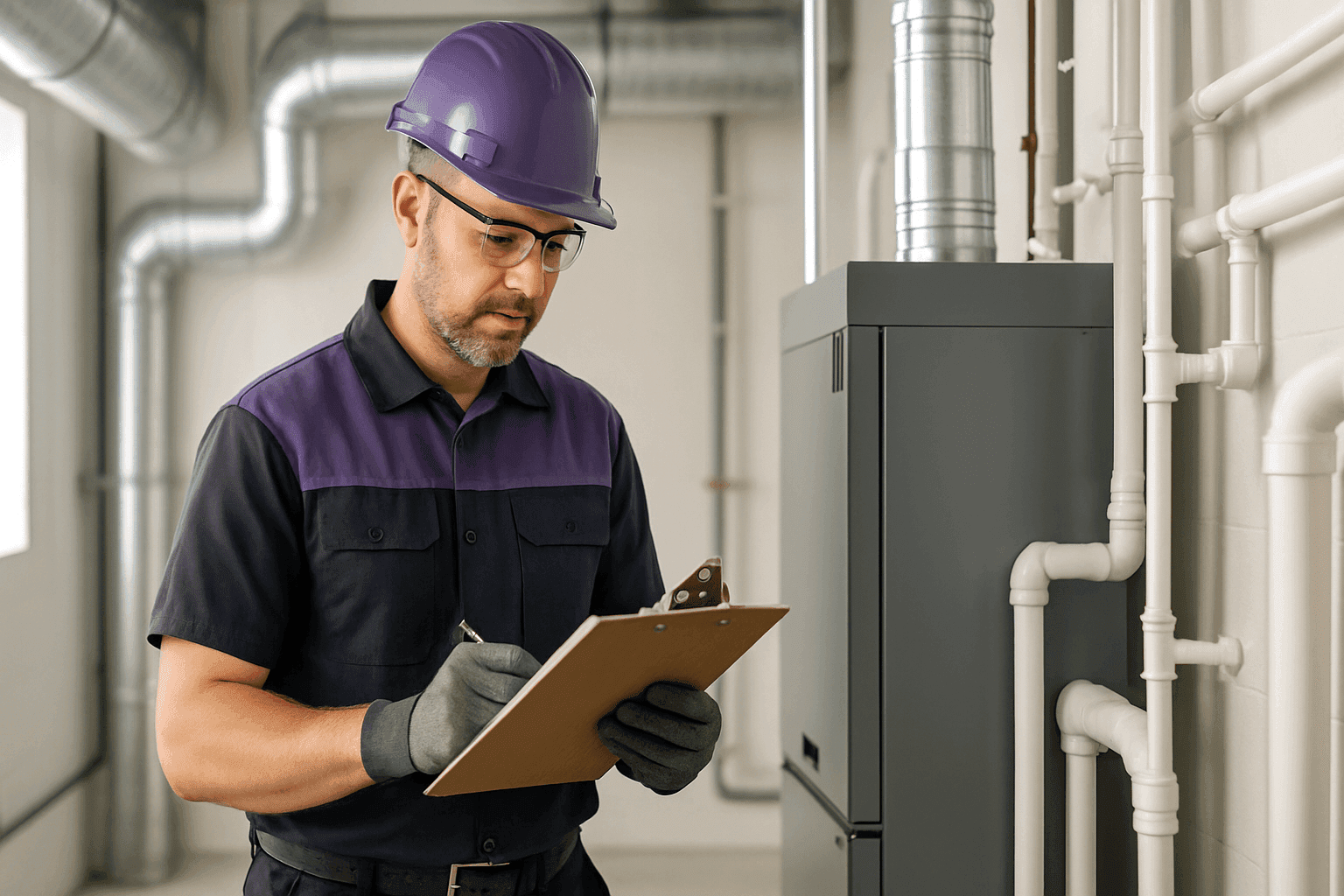
Heating is more than a comfort—it’s a necessity in homes and businesses alike. When it comes to heating installation, even small mistakes can leave you shivering or cost you big down the line. At GOGO Heating, we see too many people dealing with noisy systems, rising bills, or even safety concerns—all because of avoidable errors.
Whether you’re a homeowner or managing a commercial space, understanding what can go wrong is the first step to getting it right. Here’s what you need to know before, during, and after your heating installation.
Why Proper Installation Matters 🛠️
Think of your heating system as the backbone of your comfort. If it’s installed wrong, problems ripple through your whole space—just like an out-of-tune piano can throw off an entire orchestra. Poor installation can mean:
- Higher energy bills
- Shortened equipment life
- Uneven heating or cold spots
- Frequent repairs
- Safety hazards (like carbon monoxide leaks)
The U.S. Department of Energy and the Air Conditioning Contractors of America (ACCA) stress that installation quality is as important as the equipment itself. Even the best furnace or heat pump can’t save you from a bad install.
Top 7 Installation Mistakes
Let’s break down the big ones—the mistakes GOGO Heating techs are called to fix most often.
1. Wrong-Sized Equipment
Bigger isn’t always better. Too large, and your system “short cycles”—turns on and off constantly—wearing out parts and leaving rooms unevenly heated. Too small, and it struggles to keep up, running endlessly and racking up bills.
Tip: Insist on a Manual J load calculation, not a guess based on square footage.
2. Ignoring Ductwork Issues
Leaky, uninsulated, or undersized ducts are like trying to sip soup through a straw with holes. You lose heat, money, and comfort.
Tip: Have your installer check and, if needed, seal or upgrade ducts during installation.
3. Poor Thermostat Placement
A thermostat in the wrong spot (like near a drafty window or in direct sun) sends mixed signals, making your system work harder than it should.
Tip: Place thermostats near you—on interior walls, away from vents and windows.
4. Skipping Airflow Balancing
If airflow isn’t balanced, you’ll get hot and cold spots, pressure problems, or a system that sounds like a freight train.
Tip: Ask about air balancing as part of your installation.
5. Faulty Venting or Exhaust
Improper venting can allow dangerous gases to build up indoors. That’s a risk no property owner should take.
Tip: Insist on venting that meets local mechanical codes and manufacturer guidelines.
6. Neglecting Electrical and Safety Codes
Shortcuts with wiring or controls can lead to fire hazards or system failure. Safety isn’t just a box to check; it’s the foundation of your peace of mind.
Tip: Always verify your installer pulls the proper permits and follows the National Electrical Code (NEC).
7. Skipping the Post-Install Inspection
Many issues don’t show up until after the system runs for a while—like leaks, rattles, or uneven temperatures.
Tip: Schedule a thorough checkup after installation, not just a quick startup.
How to Ensure a Quality Install
So how do you avoid these traps? Start with a plan:
- Demand a load calculation. Not just a guess—insist on a real evaluation of your space.
- Check the credentials. Licensed, insured professionals know the codes and the latest best practices.
- Ask about ductwork. Don’t ignore what’s behind the walls.
- Review the plan. Make sure you know where equipment and thermostats will go.
- Request documentation. Get everything in writing: manuals, warranties, and inspection results.
Choosing a Qualified Installer 🧑🔧
Picking the right installer is as crucial as picking the right system. What should you look for?
- Licensing and certification. Ask for proof.
- Relevant experience. Residential and commercial installs aren’t the same—your installer should know both if you’re a business.
- References and reviews. Ask for them and actually check.
- Clear, detailed estimates. No vague numbers or hidden fees.
- Service options. Look for installers who also provide heating maintenance, so your system gets the care it needs for years to come.
Post-Install Checklist ✅
Once your new heating system is in, use this list to make sure everything’s set up right:
- All equipment is level and secure
- Thermostat is programmed and tested
- Ducts are sealed and airflow checked
- No odd noises, smells, or leaks on startup
- All safety controls (like CO detectors) are in place
- Owner’s manual and warranty info are in your hands
- Maintenance schedule is discussed
If something feels off, don’t ignore it. Early fixes are almost always cheaper and easier.
Practical Tips for Homeowners & Businesses
- Schedule annual maintenance. It’s like an oil change for your heating system.
- Replace filters regularly. Clogged filters make your system work overtime.
- Ask about indoor air quality. Options like air scrubbers and humidifiers can make a big difference, especially in commercial spaces.
- Consider a home energy audit. Small changes can lead to big savings.
References to Authoritative Guidelines
- U.S. Department of Energy: Heating installation best practices
- Air Conditioning Contractors of America (ACCA): Manual J, Manual D, and Quality Installation guidelines
- National Fire Protection Association (NFPA): Electrical and safety codes
Need Heating Installation near Brookhaven, New York?
Looking for reliable Heating Installation near Brookhaven, New York? GOGO Heating is ready to help with all your furnace installation, HVAC installation, and thermostat upgrades.
Ready to Get Started?
Don’t let a bad heating installation leave you out in the cold. Call the GOGO Heating team for help with every step—from planning to final inspection.
Call GOGO Heating now — or reach us anytime at 844-467-0847 .