Geothermal vs. Traditional Heating: Which Is Right for You?
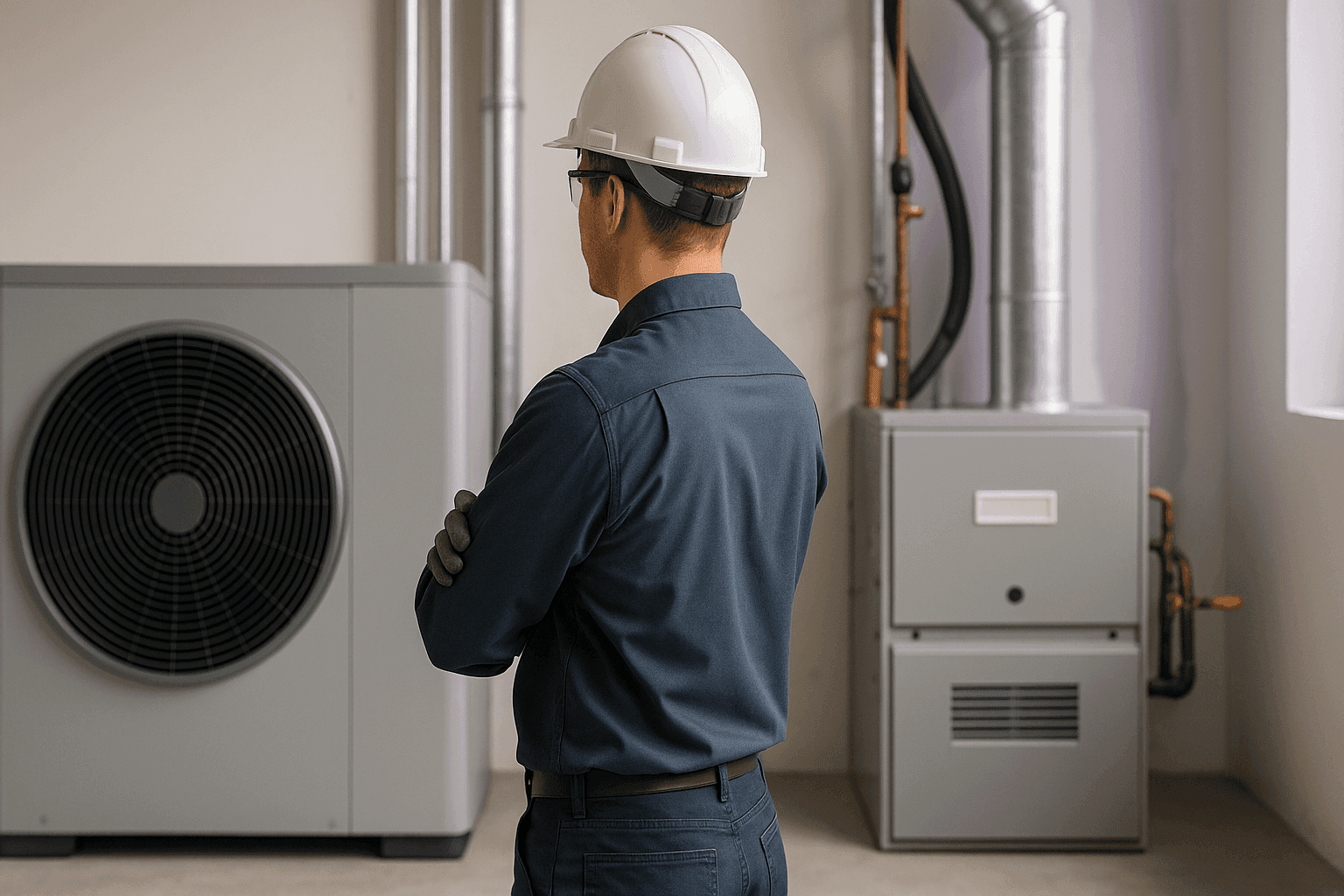
Are you trying to decide between geothermal and traditional heating for your home or business? It’s a big decision—one with real impact on your comfort, your energy bills, and the environment. The right choice feels less like flipping a coin and more like finding the perfect puzzle piece.
At GOGO Heating, we help property owners make smart, confident choices about their heating systems every day. Let’s break down the facts, benefits, and trade-offs so you can see which system truly fits your needs.
How Geothermal and Traditional Systems Differ 🌎
Think of geothermal heating as tapping into the Earth’s steady heartbeat. It harnesses stable underground temperatures, moving heat in and out of your building with a ground-source heat pump. The process is quiet, efficient, and mostly hidden beneath your feet.
Traditional systems—like furnaces or boilers—are more like campfires in a box. They burn fuel (natural gas, oil, or electricity) to create heat, which is then pushed through ducts or radiators to keep your rooms warm.
Here’s a quick snapshot of the differences:
- Geothermal uses renewable energy from the ground and needs a network of buried pipes (loops).
- Traditional systems rely on fuel or electricity, with equipment usually installed inside the building.
- Geothermal is often more efficient, while traditional systems may have lower upfront costs.
- Both can work with smart Thermostats near you to control comfort.
Pros and Cons of Each
No system is perfect for everyone. Let’s stack the pros against the cons for both options.
Geothermal Heating
Pros:
- High efficiency—uses up to 70% less energy than some traditional systems (U.S. Department of Energy).
- Lower operating costs over time.
- Quiet operation—no roaring furnace or clanking pipes.
- Long equipment lifespan (ground loops can last 50+ years).
- Reduces carbon footprint.
Cons:
- Higher upfront installation cost.
- Installation requires space for ground loops—may not suit every property.
- Some disruption to yard/landscaping during install.
Traditional Heating
Pros:
- Lower initial cost.
- Faster and simpler to install, especially in existing buildings.
- Wide availability of replacement parts and technicians.
- Works well for properties with limited outdoor space.
Cons:
- Can be less efficient—higher monthly bills.
- Equipment may need replacing every 10–20 years.
- Produces greenhouse gases if using fossil fuels.
- Potential for uneven heating or dry indoor air.
Cost, Comfort, and Maintenance Comparison 💸
Let’s break it down even further. Money matters, but so does comfort and hassle.
Upfront Costs
- Geothermal: Installation is a major investment, like buying a long-lasting appliance. It usually costs more at first, but pays off over time through lower bills and fewer repairs.
- Traditional: Lower installation costs, but expect to pay more each month to run the system.
Energy Bills
- Geothermal systems can cut energy bills by 25–70%, according to the U.S. Environmental Protection Agency. That’s like trimming the fat off your utility bills each month.
- Traditional systems fluctuate with fuel prices and may spike in harsh winters.
Comfort
- Geothermal offers steady, even heating. No hot-and-cold swings or blasts of dry air.
- Traditional systems can heat up a space quickly, but may cycle on and off more often.
Maintenance
- Geothermal: Needs annual system checks, but fewer parts wear out.
- Traditional: Requires regular filter changes, tune-ups, and occasional part replacements.
For reference, see safety and maintenance guidelines from the U.S. Department of Energy and your equipment’s manufacturer.
Which Fits Your Property Best? 🏠
No two homes or commercial buildings are the same. Here’s how to decide:
Geothermal is a great fit if:
- You plan to stay in the property long-term.
- You value lower operating costs and sustainability.
- You have enough land for the ground loop installation.
- You want to reduce reliance on fossil fuels.
Traditional heating may be better if:
- You need a quick, lower-cost solution.
- Your building footprint or lot size is limited.
- You want a system that’s easy to retrofit into an older property.
- You’re not sure how long you’ll own the property.
Tip: Consider a Home Energy Audit to identify your property’s unique needs and see which system would be most efficient.
Practical Tips Before You Decide
- Check local codes and permitting requirements (refer to the International Mechanical Code and National Electrical Code).
- Think about your long-term plans—how many years do you expect to use the system?
- Ask about available tax credits or incentives for energy-efficient systems (such as Energy Star).
- Factor in the cost and quality of ductwork, air balancing, and whether you need HVAC installation as part of your upgrade.
FAQ: Geothermal vs. Traditional Heating
How long does geothermal installation take?
Typically 2–3 weeks, including site evaluation, drilling, and system hookup. Larger or more complex properties may take longer.
Will geothermal work in cold climates?
Yes. The ground temperature stays steady year-round, making geothermal effective even in harsh New England winters.
Is it noisy?
Geothermal heat pumps are quiet—about as loud as a refrigerator. Traditional systems can be louder, especially when starting or cycling.
Can I combine geothermal with other systems?
Yes. Many choose hybrid setups, pairing geothermal with backup heating for extreme weather.
Local/Seasonal Considerations
If you’re located in a climate with big temperature swings, the steady comfort of geothermal can be a game-changer. But if your area gets only a few months of true winter, traditional heating might be more practical.
Looking for local guidance? See Geothermal near me in Easton, Massachusetts.
Wrapping Up: The Choice Is Personal
Whether you go geothermal or stick with a tried-and-true furnace, the best system is the one that fits your property, your budget, and your values. At GOGO Heating, we’re here to talk you through every option and every step.
Call GOGO Heating now — or reach us anytime at 844-467-0847 .