Understanding Geothermal Maintenance: What’s Required?
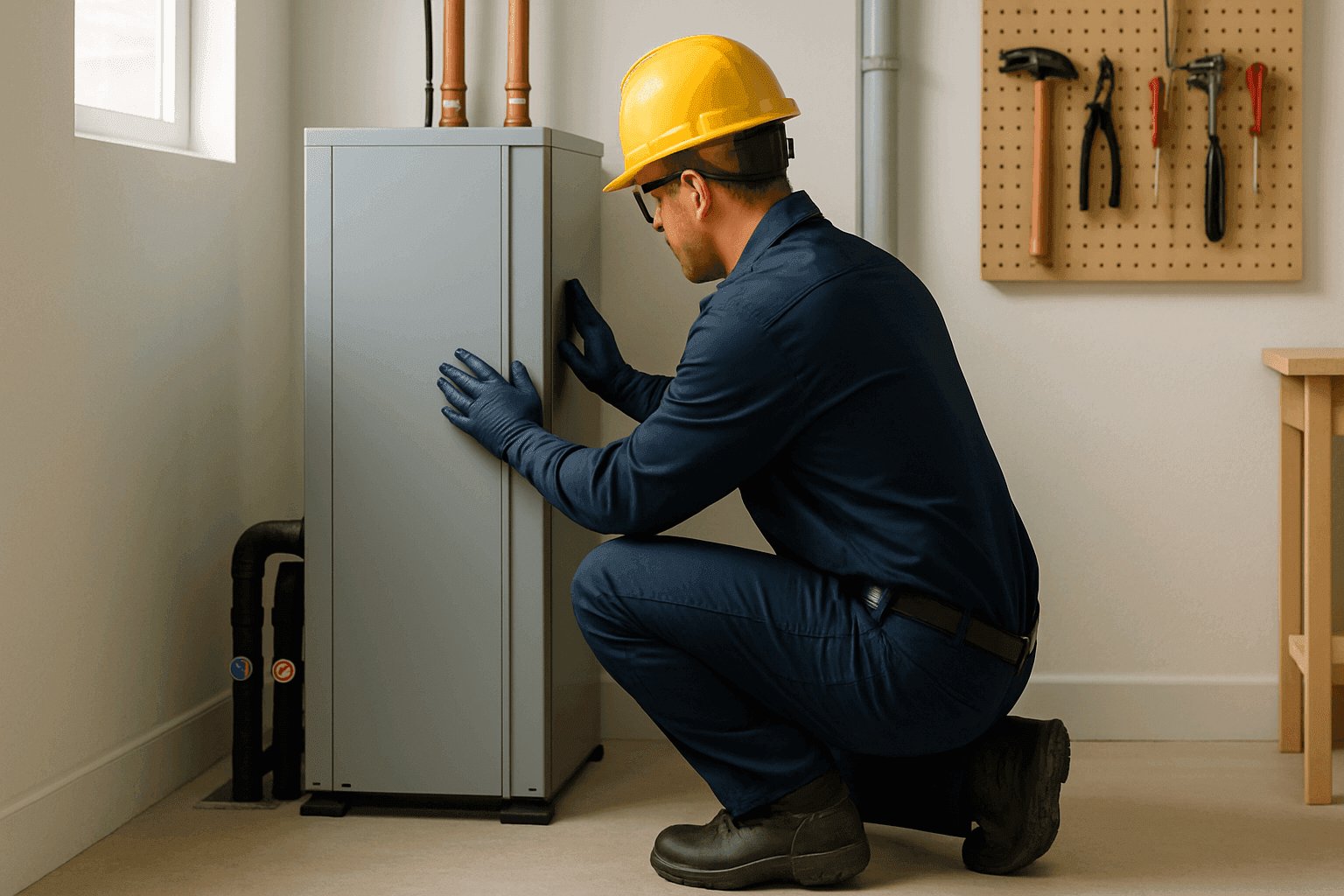
When your home or business depends on geothermal heating, you expect quiet comfort, healthy air, and steady savings. But even the most reliable geothermal system needs a little attention to keep humming along. Think of it like tending a garden—ignore it, and problems sprout up fast. Give it care, and you’re rewarded with years of trouble-free performance.
At GOGO Heating, we help homeowners and businesses protect their geothermal investments. Here’s how to know what’s truly required for geothermal maintenance, why it matters, and how to spot issues before they escalate.
Why Geothermal Maintenance Matters 🌱
Geothermal systems aren’t just another heating option—they’re a smart, efficient way to control your comfort. But they’re also a long-term commitment, involving underground loops, pumps, and indoor air equipment. Without regular care, dirt, debris, and mechanical wear can quietly chip away at efficiency. Over time, neglected maintenance can lead to:
- Higher energy bills
- Reduced heating and cooling output
- Shortened equipment lifespan
- Costly emergency breakdowns
The U.S. Department of Energy and organizations like ASHRAE (American Society of Heating, Refrigerating and Air-Conditioning Engineers) recommend regular geothermal system checks for both safety and efficiency. It’s not just a good idea—it’s essential to keep your investment running reliably.
Key Maintenance Tasks
Just as you wouldn’t drive your car thousands of miles without an oil change, geothermal systems need periodic tune-ups. Here’s what matters most:
1. Air Filter Inspection and Replacement
Dirty filters restrict airflow, forcing your system to work harder. Check filters every 1–3 months, especially during heavy use. For best results, use high-quality filters recommended by your manufacturer or HVAC Maintenance experts.
2. Inspecting Loop Pressure and Antifreeze
The underground loop is the heart of your geothermal system. Pressure should be stable—too low or too high can mean leaks or blockages. Antifreeze levels (in closed-loop systems) must be checked and topped up as needed, following guidelines from the International Ground Source Heat Pump Association (IGSHPA).
3. Cleaning Coils and Heat Exchangers
Dust and debris on the indoor coils reduce efficiency and can trigger system alarms. Annual coil cleaning helps maintain optimal heat transfer.
4. Checking Electrical Connections
Loose or corroded wires can lead to intermittent failures or safety hazards. Have a technician inspect and tighten connections during each service.
5. Flushing Condensate Drains
Clogged drains cause moisture to back up, risking water damage and mold growth. Condensate lines should be cleared at least yearly.
6. Blower and Pump Maintenance
Motors, pumps, and fans need occasional lubrication and inspection for signs of wear.
7. Thermostat Calibration
A properly calibrated thermostat ensures your system responds accurately to set temperatures. If you’re searching for “Thermostats near you,” make sure your technician checks this during every geothermal service.
For businesses or homes with indoor air quality needs, pairing geothermal checks with filter and IAQ testing makes sense. Clean air supports both system longevity and occupant health.
How Often to Service
There’s no one-size-fits-all answer, but most geothermal systems benefit from professional inspection at least once per year. In areas with extreme seasonal swings or heavy commercial use, twice-yearly checks are wise—once before heating season, once before cooling season.
DIY filter changes and thermostat checks can be done monthly or quarterly, depending on your environment. But leave in-depth diagnostics and loop inspections to licensed pros.
Warning Signs of Issues 🚩
Geothermal systems are quiet by design. When something’s off, you’ll often notice subtle changes:
- Sudden spikes in utility bills
- Weak airflow from registers
- Strange noises (gurgling, rattling, or banging)
- Unusual odors or increased dust
- Frequent system cycling or failure to reach set temperature
- Water pooling near the indoor unit
If you notice any of these, don’t wait. Small issues can snowball quickly, especially underground where leaks or blockages can go unnoticed.
Professional vs. DIY Tasks
Not everything requires a service call, but knowing your limits is key.
Safe DIY Tasks
- Changing or cleaning air filters
- Checking thermostat batteries and settings
- Clearing leaves and debris from outdoor components
- Monitoring for visible water or leaks
Leave These to the Pros
- Loop pressure checks and antifreeze adjustments
- Electrical diagnostics and repairs
- Coil and heat exchanger cleaning
- Full system tune-ups
- Refrigerant or fluid handling (requires EPA-certified technicians)
Tackling technical maintenance without proper training risks not only your system, but also personal safety and warranty coverage. GOGO Heating’s team follows manufacturer guidelines and up-to-date codes for every geothermal service.
Pro Tips for Efficiency and Longevity
Want your geothermal system to last as long as possible? Here’s what the pros recommend:
- Schedule annual maintenance in spring or fall, before heavy use.
- Keep landscaping trimmed around outdoor units and vent outlets.
- Upgrade to programmable or smart thermostats for precise control.
- Replace filters with high-efficiency MERV-rated options.
- Ask about duct cleaning and air balancing if you notice uneven comfort.
- Consider periodic home energy audits to spot hidden inefficiencies.
When to Call for Emergency Service
Some situations can’t wait. Call for 24-hour emergency service if you experience:
- Complete system failure (no heat or cooling)
- Water leaks near electrical components
- Burning smells or signs of electrical issues
- Frozen ground loops in winter
A sudden breakdown can disrupt both comfort and business. GOGO Heating’s rapid response minimizes downtime and helps prevent further damage.
Geothermal Maintenance FAQ
How long will my geothermal system last with regular maintenance?
Most geothermal heat pumps last 20–25 years, while underground loops can last 50 years or more. Routine care is the secret.
Can I use any filter in my geothermal system?
No—always use filters that match your system’s specifications. Consult your owner’s manual or a qualified technician for best results.
Is geothermal maintenance different for commercial vs. residential systems?
The basics are similar, but commercial systems often require more frequent checks, larger filters, and specialized monitoring due to heavier use and complex controls.
Do I need to winterize my geothermal system?
Closed-loop systems generally don’t need special winterization, but open-loop systems may require seasonal adjustments. Always reference manufacturer instructions or check with a licensed provider.
Seasonal and Local Considerations 🍂
In regions with heavy rainfall or seasonal ground shifts, underground loops may need extra attention. Soil erosion, freeze-thaw cycles, and landscaping changes can all impact performance. Regular inspections catch small problems before they become big repairs.
If you’re searching for Geothermal near McMinnville, GOGO Heating knows the unique challenges of our climate—and how to keep your system running strong year after year.
Protect your investment, save on energy, and enjoy peace of mind all year long. For questions or to schedule geothermal maintenance, Call GOGO Heating now — or reach us anytime at 844-467-0847 .