Geothermal Heating: Pros, Cons, and Cost Breakdown
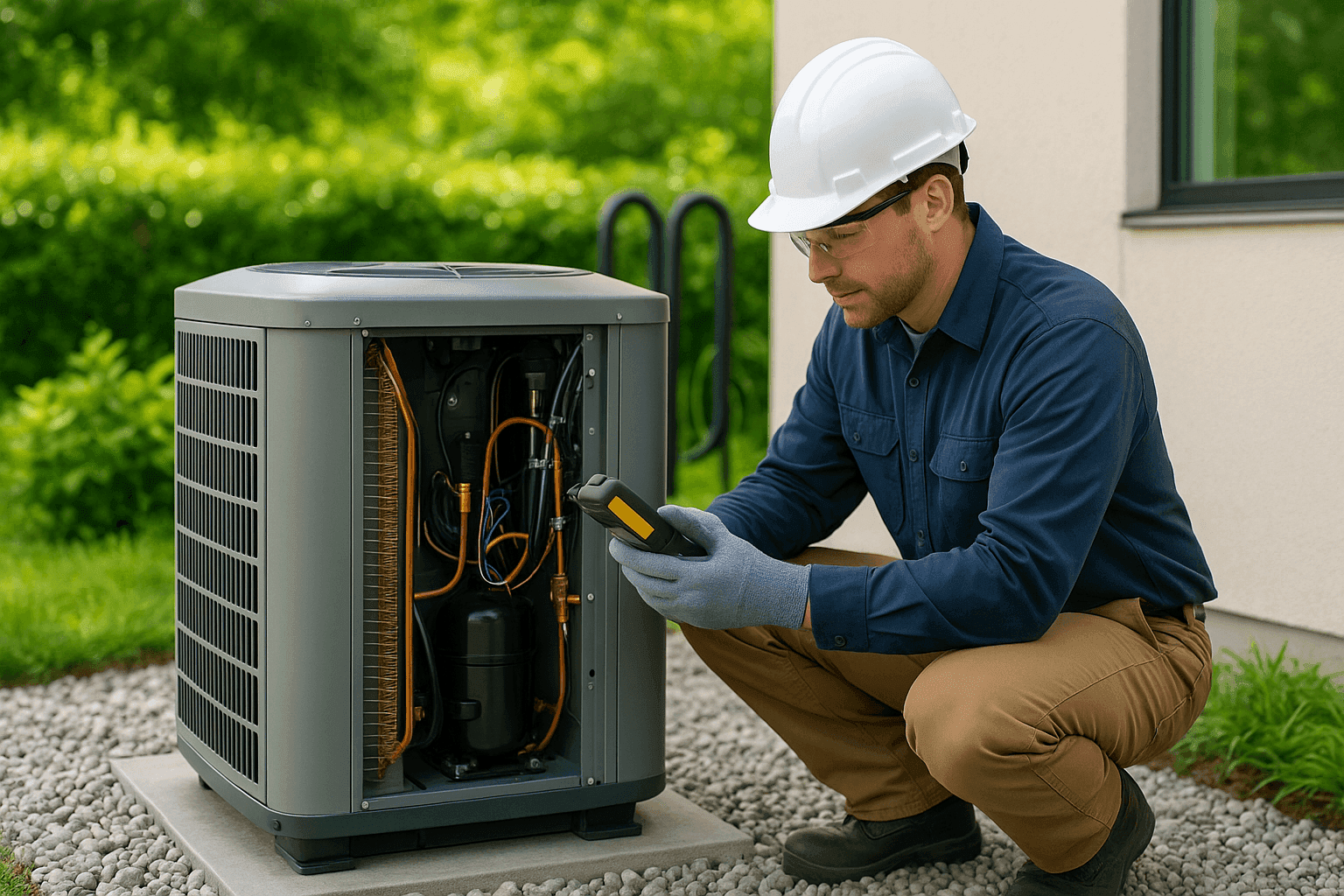
When winter chills bite or summer sizzles, everyone wants reliable heating and cooling. But what if you could tap into the steady temperature beneath your feet? That’s geothermal heating—an option that’s gaining ground with homeowners and businesses looking for efficient, long-term comfort.
Wondering if it’s the right fit for your building? Let’s break down how geothermal works, the honest pros and cons, what it really costs, and why a professional site assessment matters.
How Geothermal Heating Works 🌎
Geothermal heating systems use the earth’s natural, steady underground temperature to warm your space. Imagine the earth as a giant rechargeable battery—it stores solar energy beneath the surface, holding a mild temperature year-round.
A geothermal heat pump circulates fluid through pipes buried in your yard (called a ground loop). In winter, the system draws warmth from below and brings it inside. In summer, it works in reverse—pulling unwanted heat from your building and releasing it underground.
No burning fuel. No noisy outdoor compressors. Just a quiet, consistent exchange of energy with the earth itself.
Pros of Geothermal Heating
Efficiency
- Geothermal systems can be 3-4 times more efficient than traditional furnaces or air conditioners (U.S. Department of Energy).
- They use electricity to move heat, not create it—like riding a bike downhill instead of pedaling uphill.
- Lower energy bills month after month.
Longevity
- The underground piping (ground loop) often lasts 50+ years.
- Indoor heat pump units typically last 20-25 years—much longer than standard systems.
- Fewer moving parts mean less wear and tear.
Eco-Friendliness
- No onsite combustion, so no carbon monoxide or combustion byproducts in your home or workspace.
- Reduces greenhouse gas emissions compared to fossil fuel systems.
- Supports indoor air quality—pair with IAQ testing or air scrubbers for best results.
Cons of Geothermal Heating
Upfront Cost
- The initial installation costs can be steep; often 2-3 times that of a traditional HVAC system.
- Trenching or drilling for ground loops increases labor and equipment needs.
- Financial incentives, rebates, and tax credits may help offset costs (check ENERGY STAR and local utility programs).
Installation Requirements
- Not every property is ideal: soil conditions, yard size, and access matter.
- Installation can disrupt landscaping—think of it like a big backyard project.
- Professional home energy audits are crucial to determine if geothermal is a smart investment for your building.
Cost Breakdown
Installation
- Residential geothermal installations typically range from $18,000 to $35,000, depending on system size and site complexity.
- Commercial systems or large properties can cost significantly more.
Maintenance
- Annual maintenance is straightforward: filter changes, system checks, and basic inspections.
- The ground loop rarely needs attention once installed.
- Expect lower repair costs over time versus conventional systems.
Lifespan
- Ground loop: 50+ years (often outlasts the home or business itself).
- Heat pump: 20-25 years.
When compared to regular HVAC systems—where furnaces and air conditioners may need replacement every 10-15 years—geothermal stands the test of time.
Typical Payback Period ⏳
- Most homeowners see payback in 7-12 years, depending on energy costs and available incentives.
- Commercial properties may see even faster returns with higher heating and cooling demands.
- After payback, you’re essentially running on “bonus time”—with major savings every year that follows.
Real-World Scenario: Is Geothermal Right for You?
Picture this: You’re tired of uneven heating, high bills, and worrying about yet another furnace repair. Geothermal can be a game-changer—if your building and property are suitable. That’s why a professional site assessment is the first step. It’s not just about slapping a system in the ground; it’s about making sure it matches your structure, soil, and comfort needs.
Curious how it plays out locally? See how Geothermal in Vestavia Hills, Alabama is helping homes and businesses achieve year-round comfort.
Quick Safety Checklist
- Always use an accredited HVAC contractor for installation—improper design can cause major headaches.
- Ensure all electrical connections meet local code (see National Electrical Code® guidelines).
- Verify the ground loop is installed below frost line to prevent freezing.
- Regularly check thermostats near you for accurate operation and scheduling.
- Schedule yearly system checkups—just like you would for your car.
DIY vs. Call a Pro
Geothermal heating isn’t a weekend DIY project. The digging, pipe installation, and system balancing require specialized equipment and training. Mistakes can cost thousands to fix—or leave you without reliable heat when you need it most.
A pro will:
- Assess your site with a home energy audit.
- Size and design the system for your unique needs.
- Handle permits and code compliance.
- Set up the ground loop and connect it to your HVAC system.
- Test and commission the system for safe operation.
What Pros Do On Arrival
When GOGO Heating arrives, here’s what to expect:
- Inspect property layout, soil conditions, and landscaping.
- Calculate your heating and cooling load.
- Explain all options, including vertical or horizontal loop choices.
- Review local code requirements and safety guidelines.
- Provide a detailed estimate—no pressure, just facts.
Prevention & Maintenance
- Change air filters regularly (every 1-3 months).
- Schedule annual maintenance to keep your system humming.
- Keep ground loop access points clear of debris and landscaping.
- Ask about integrating humidifiers, dehumidifiers, or whole-house fans for maximum comfort.
Costs & Time Factors
- Installation: 2-4 weeks (weather and site conditions can affect timing).
- Maintenance costs: typically lower than traditional systems over the years.
- Utility bill savings: 30-70% on average for heating and cooling combined.
- Factor in possible incentives—contact local energy authorities for updated programs.
When It’s an Emergency
Geothermal systems are reliable, but nothing is immune to the unexpected. If your system stops heating, call for 24 hour emergency service—especially during extreme weather. Sudden temperature drops, leaks, or electrical issues should be addressed immediately for safety.
FAQ
Will geothermal work in my old house?
Yes—retrofits are possible, but require a detailed site assessment. Space for ground loops and existing ductwork need to be evaluated.
Can geothermal heat my business, not just my home?
Absolutely. Commercial buildings can see even greater efficiency gains due to higher energy usage.
What if my yard is small?
Vertical loop systems require less space and can be installed in smaller lots, though drilling costs may be higher.
How quiet is geothermal?
Very quiet—no outdoor compressors or noisy fans. Many users say it’s like having a gentle breeze in the background.
Local/Seasonal Considerations
- Soil type, groundwater, and climate all affect system design and efficiency.
- In colder regions, frost lines run deeper, so loop installation may require more drilling.
- In hot, humid states, geothermal can handle both cooling and dehumidification with ease.
Always check with local code officials and professional contractors familiar with your area’s requirements.
Ready to see if geothermal heating fits your home or business? Call GOGO Heating now — or reach us anytime at 844-467-0847 .