Furnace Not Heating? Top Causes and Quick Fixes
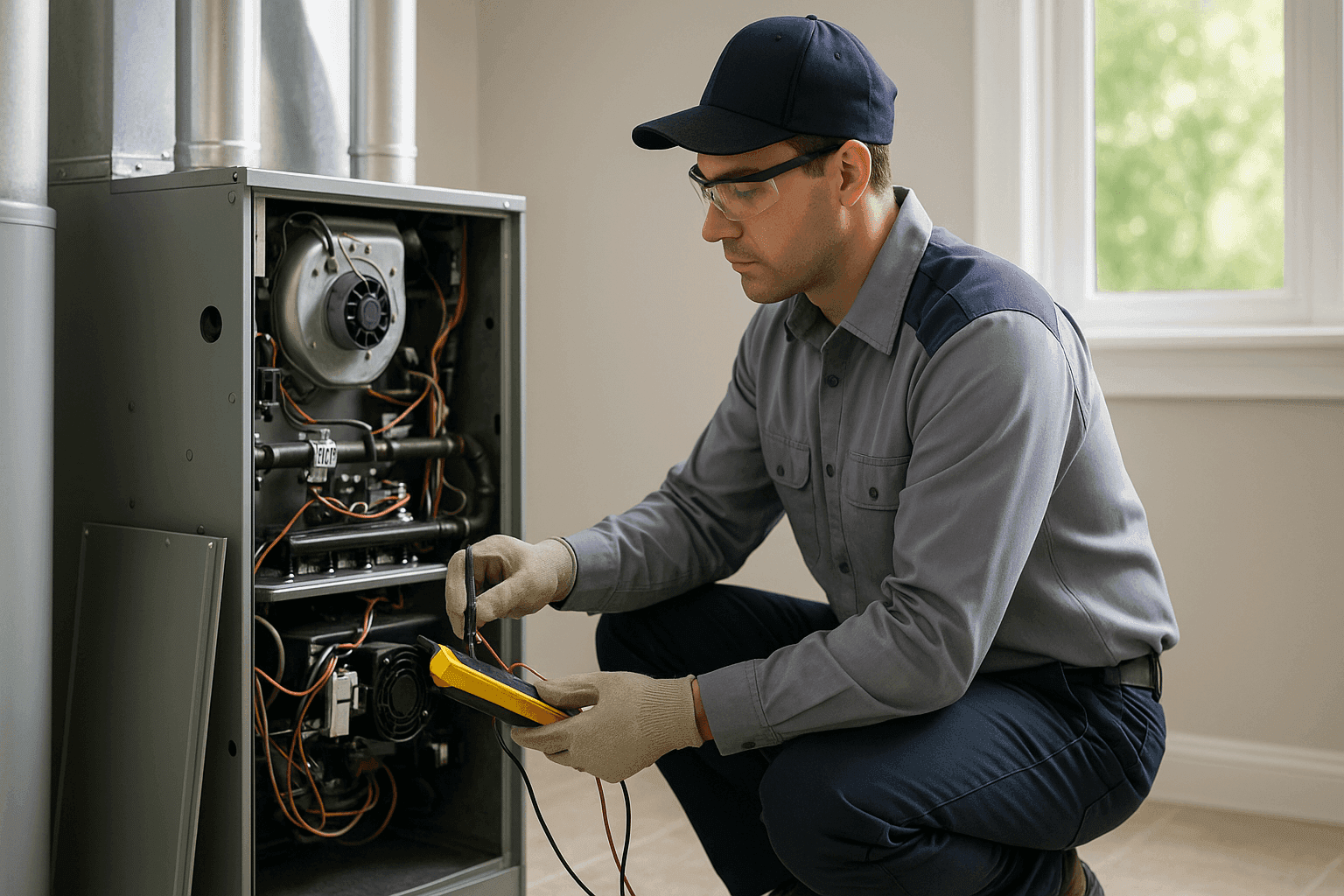
It’s a feeling every homeowner or property manager dreads: you wake up to a freezing space, but your furnace just hums without warmth. Whether you’re shivering at home or worried about a chilly office, a furnace that refuses to heat isn’t just uncomfortable—it can be a real safety concern.
At GOGO Heating, we know the stress that comes with a cold spell and a silent furnace. Our team tackles everything from quick fixes to complex issues, so you can get back to comfort—fast.
Common Reasons Furnace Stops Heating 🛑
When your furnace won’t kick on, it’s tempting to panic. But many problems have simple roots. Think of your heating system as a relay race: if one runner drops the baton, the whole team stops.
Here are the most frequent culprits:
- Thermostat Trouble: If your thermostat isn’t set right or has dead batteries, the furnace may not know it’s time to work. Sometimes, it’s as easy as flipping a switch from “cool” to “heat.”
- Clogged Air Filters: Like trying to breathe through a straw, a dirty filter makes it tough for your furnace to move air. This can cause overheating and automatic shutdown.
- Tripped Circuit Breaker: Furnaces need electricity to start. If the breaker has tripped, the system won’t fire up.
- Ignition or Pilot Issues: For gas furnaces, a failed ignitor or a blown-out pilot light means no heat is produced.
- Blower Motor Problems: If the motor isn’t running, warm air won’t circulate—even if the furnace is otherwise working.
- Gas Supply Problems: An interrupted or shut-off gas supply means your system can’t produce heat.
- Blocked Vents or Ducts: If something’s blocking airflow, heated air can’t reach your rooms.
- Faulty Limit Switch or Sensors: Safety sensors will prevent the furnace from running if they detect overheating or other issues.
Reference: The U.S. Department of Energy outlines these and other common heating system issues in their Home Heating Guide.
DIY Checks Before Calling a Pro
Sometimes the fix is right at your fingertips. Before you reach for the phone, try these safe, easy checks:
- Thermostat Settings: Is it set to “heat”? Is the temperature above the current room temp?
- Replace Batteries: If your thermostat uses batteries, pop in fresh ones.
- Check the Circuit Breaker: Reset it if it’s tripped.
- Inspect Air Filter: Slide it out and hold it up to the light. If it’s clogged with dust, replace it. Learn more about filter options on our Filters page.
- Look for Blocked Vents: Make sure furniture or rugs aren’t covering supply or return vents.
- Pilot Light: If you have a standing pilot, check if it’s lit. Follow manufacturer instructions for safe relighting, if comfortable.
- Gas Valve: Ensure the furnace’s gas valve is in the “on” position.
Safety Tip: Never attempt repairs involving gas lines, electrical wiring, or internal components. If you smell gas or suspect a leak, leave the area immediately and call your gas provider.
Fast Fixes for Simple Issues
If your checks point to a simple problem, here are some fixes you can try:
- Replace the Air Filter: This is the quickest and safest DIY fix. A clean filter helps airflow and keeps your furnace running strong.
- Reset the Furnace: Some furnaces have a reset button. Turn off the power for 30 seconds, then restore it and press reset if present.
- Thermostat Reboot: Remove and replace batteries, or power cycle the thermostat by turning it off and back on.
- Clear Obstructions: Move any items away from vents and registers to help air move freely.
- Tighten Loose Panels: Some furnaces have safety switches that prevent operation if the access panel isn’t tightly closed.
If none of these steps restore heat, it’s time to call in the experts.
When to Seek Professional Help 👨🔧
Some furnace problems need a skilled hand—fast. Don’t try to tackle these on your own:
- Strange noises: Banging, squealing, or grinding isn’t normal and could signal a failing motor or loose parts.
- Persistent ignition failure: If the pilot light won’t stay lit, or the ignitor clicks repeatedly, this needs a pro.
- Gas odor: This is an emergency. Leave immediately and contact your gas supplier.
- Repeated circuit breaker trips: Could indicate a dangerous electrical fault.
- No heat after all basic checks: When the basics don’t bring warmth, deeper electrical or mechanical problems may be to blame.
GOGO Heating’s furnace repair team is available 24/7 for urgent issues and routine fixes.
What to Expect When a Pro Arrives
Wonder what happens when you call in the cavalry? Our certified technicians follow a safety-first checklist:
- System Inspection: We check all furnace components, from the thermostat to the blower.
- Electrical Testing: Voltage and current levels are measured to spot hidden faults.
- Gas & Safety Checks: Natural gas lines, valves, and pilot assemblies are examined according to National Fire Protection Association (NFPA) codes.
- Airflow Assessment: Ducts and vents are checked for blockages or leaks.
- Component Testing: Ignitors, flame sensors, and motors are tested for performance.
- Recommendations: We’ll explain the issue in plain language and advise on next steps.
Technicians use tools and knowledge that go far beyond what’s safe or practical for homeowners.
Prevention & Maintenance
Like your car, your furnace thrives on regular attention. Prevent breakdowns with these habits:
- Change filters every 1–3 months (more often if you have pets or allergies).
- Schedule annual heating maintenance. A pro can catch small issues before they become big ones. See our heating repair and maintenance options.
- Keep vents clear to allow free airflow.
- Test your thermostat at the start of each season.
- Monitor humidity: Too dry or too humid can strain your system; consider humidifiers and dehumidifiers as needed.
The Environmental Protection Agency (EPA) recommends annual HVAC checkups for optimal efficiency and indoor air quality.
Costs & Time Factors
Repair costs and timelines vary. Here’s what to expect:
- Simple fixes: Replacing a filter or thermostat batteries can take minutes and cost just a few dollars.
- Common repairs: Ignitor or sensor replacements may require a service visit, usually completed within an hour.
- Major repairs: Blower motor or control board issues take longer—sometimes several hours and more in parts.
- Emergency calls: After-hours visits may cost more, but heat restoration is often swift.
No one enjoys surprise bills. We always explain the cause and options before repairs begin.
When It’s an Emergency 🚨
Certain furnace problems can’t wait:
- No heat during freezing weather: Exposure risks health, especially for kids, seniors, or those with medical needs.
- Suspected gas leaks: Evacuate and contact authorities.
- Electrical burning smells: Turn off the furnace and call for help.
GOGO Heating offers 24 hour emergency service so you’re never left in the cold.
FAQ: Common Furnace Worries
Q: How often should I replace my furnace filter?
A: Every 1–3 months, depending on usage and if you have pets or allergies.
Q: My furnace runs but blows cold air—why?
A: This could be a clogged filter, thermostat setting, or ignition problem. If checks don’t help, call a pro.
Q: Is it safe to relight my own pilot light?
A: Only if you follow manufacturer instructions and feel comfortable. If unsure, always call for help.
Q: Can skipping maintenance really cause breakdowns?
A: Yes. Dust, worn parts, and missed safety checks all add up—regular maintenance prevents most surprise failures.
Local & Seasonal Considerations
In regions with biting winters, a working furnace is essential—not just for comfort, but for safety. Seasonal checks before the cold sets in can help you avoid emergency calls on the coldest nights.
If you’re in Wilmington, Delaware Furnace Repair is always just a call away.
Chilly air? Don’t wait another minute. Call GOGO Heating now — or reach us anytime at 844-467-0847 .