Furnace Installation: Comparing Gas, Electric, and Oil Options
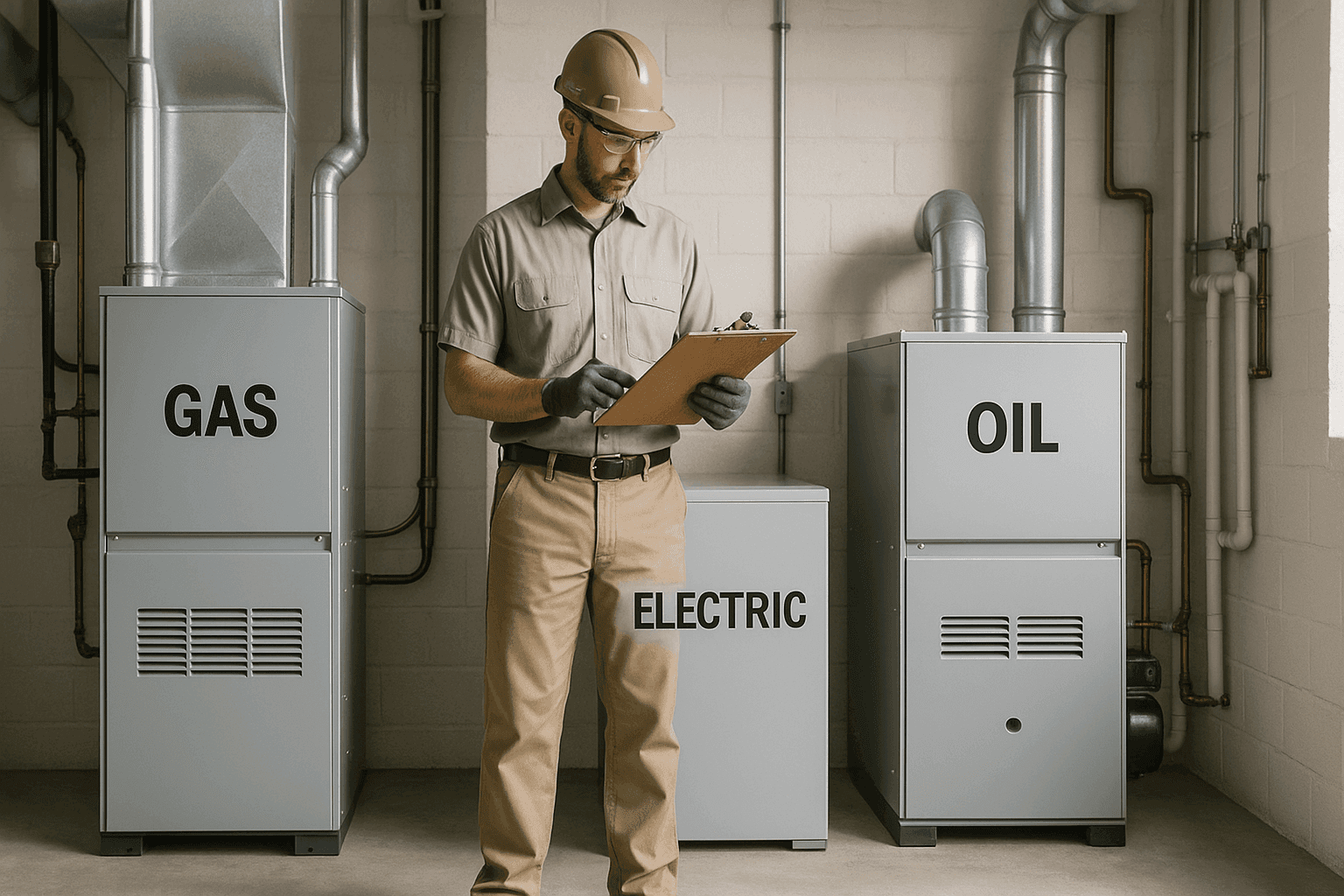
When the cold bites and your building feels less like a haven and more like a walk-in freezer, the right furnace makes all the difference. But with gas, electric, and oil furnaces on the market, how do you choose? At GOGO Heating, we help homeowners and businesses make decisions rooted in real-world experience, not guesswork.
You want warmth that lasts. You need safety, efficiency, and a system that fits your lifestyle (and your building). Let's break down your options—without the sales pitch, just the facts you need.
Gas, Electric, and Oil Furnace Pros and Cons 🔥
Every furnace type has its strengths—and quirks. Think of it like choosing between a reliable pickup, a zippy sedan, or a rugged SUV. Each gets you there, but the ride feels different.
Gas Furnaces
- Pros:
- Fast, powerful heat—great for larger spaces or colder climates.
- Typically lower operating cost due to natural gas prices.
- Widely available and compatible with most modern thermostats near you.
- Cons:
- Requires a gas line and proper venting.
- Produces combustion byproducts—needs regular safety checks.
- Initial installation can be trickier in older buildings.
Electric Furnaces
- Pros:
- Simple design; fewer moving parts means less chance of mechanical failure.
- No combustion gases, so indoor air quality risks are lower.
- Can be installed virtually anywhere with adequate electrical service.
- Cons:
- Higher operating costs where electricity rates are steep.
- May not deliver heat as quickly in very cold temperatures.
- Not always ideal for large commercial spaces.
Oil Furnaces
- Pros:
- Delivers strong, steady heat—even in tough winters.
- Good for rural locations without natural gas lines.
- Modern models burn cleaner than decades past.
- Cons:
- Requires on-site fuel storage (think: a big tank in the yard or basement).
- More frequent maintenance—filters and burners need regular attention.
- Oil price swings can affect annual heating costs.
Installation Considerations for Each Type 🛠️
Furnace installation isn’t plug-and-play. What works in one building might not in another. The details matter.
Gas Furnace Installation
- Gas Line Access: Must have safe, code-compliant gas supply (consult local building codes or the International Fuel Gas Code).
- Venting: Needs flue or venting system to safely exhaust combustion gases.
- Space: Units are often larger; may require sheet metal work for duct connections.
- Permitting: Local inspections usually required to ensure safety.
Electric Furnace Installation
- Electrical Capacity: Must verify the panel can handle the amperage (often 60–80 amps or more).
- Space: Usually smaller, easier to fit in tight mechanical rooms.
- Venting: No flue required, so more flexible in placement.
- Startup: Often faster to install than gas or oil.
Oil Furnace Installation
- Tank Location: Need a safe, accessible spot for the oil tank—plus spill containment.
- Ventilation: Like gas, oil furnaces need proper venting for combustion gases.
- Fuel Delivery: Must coordinate with a local oil supplier for regular refills.
- Code Compliance: Installation must meet state and federal fire safety standards, such as NFPA 31.
Cost, Efficiency, and Maintenance Differences 💡
Budget, bills, and upkeep—these all matter. Here’s what to expect.
Upfront Costs
- Gas: Often mid-range; can spike if new gas lines or venting are needed.
- Electric: Usually lowest initial cost, especially in retrofit situations.
- Oil: Can be higher due to tank installation and added safety systems.
Operating Costs
- Gas: Typically the most economical in regions with affordable natural gas.
- Electric: Often higher, unless you have low kWh rates or solar offset.
- Oil: Costs fluctuate with global oil prices—can be unpredictable.
Efficiency
- Gas: Modern models reach 90%+ AFUE (Annual Fuel Utilization Efficiency).
- Electric: Technically 100% efficient at point-of-use (all electricity turns to heat), but grid losses matter.
- Oil: New oil furnaces can hit 85–95% AFUE, but older units are less efficient.
Maintenance
- Gas: Annual inspection for leaks, burners, and venting. Change filters regularly.
- Electric: Minimal—just check connections and filters.
- Oil: More hands-on—clean burners, replace nozzles, monitor tank and lines.
How to Choose for Your Building
Picture your building like a puzzle. The right furnace is the piece that fits just right.
- Climate: In frigid zones, gas or oil may keep up better than electric.
- Utility Access: No gas line? Electric or oil may be your only options.
- Size of Space: Large warehouses often need the muscle of gas or oil. Small homes or offices can thrive with electric.
- Indoor Air Quality: Electric avoids combustion byproducts. For sensitive occupants, this can be a big factor.
- Budget: Consider both purchase and lifetime costs. Sometimes paying a bit more up front saves down the road.
- Sustainability: Electric units pair well with renewable energy. Gas and oil have higher carbon footprints.
If you’re unsure, a Home Energy Audit can shine a light on your building’s unique needs.
Practical Tips for Furnace Installation
- Always hire qualified professionals for installation.
- Check for rebates or incentives on high-efficiency models (see ENERGY STAR® and local utility programs).
- Match your new furnace to your building’s ductwork and insulation level.
- Schedule regular tune-ups to maximize efficiency and lifespan.
Safety First: What the Codes Say
- Gas and oil systems must meet International Mechanical Code (IMC) and local fire codes.
- Electrical installations must comply with the National Electrical Code (NEC).
- Always ensure carbon monoxide detectors are installed and working in any building with combustion appliances.
Frequently Asked Questions
How long does furnace installation take?
Most residential jobs wrap up in a day. Commercial systems or complex retrofits may take longer, especially if upgrades to ductwork or electrical/gas lines are needed.
How long do furnaces last?
Gas and oil furnaces typically last 15–20 years. Electric models can push 20–30 years with good maintenance.
What’s the best furnace for allergy sufferers?
Electric furnaces, paired with high-quality filters and Indoor Air Quality solutions, offer cleaner air since they don’t produce combustion gases.
Can I switch from oil to gas or electric?
Yes, but it may require changes to piping, venting, and sometimes electrical service. A pro can assess what’s needed.
Local & Seasonal Considerations
The right furnace isn’t just about specs—it’s about your climate and building’s quirks. If you’re in a region with harsh winters, robust heating is a must. For milder seasons or energy-conscious buildings, you may want to prioritize efficiency and air balancing for comfort.
Need help choosing, sizing, or installing a new furnace? Visit Furnace Installation near me for more detailed local info.
Choosing a furnace is a big step. Don’t go it alone. Call GOGO Heating now — or reach us anytime at 844-467-0847 .