How Furnace Age Affects Efficiency, Costs, and Comfort
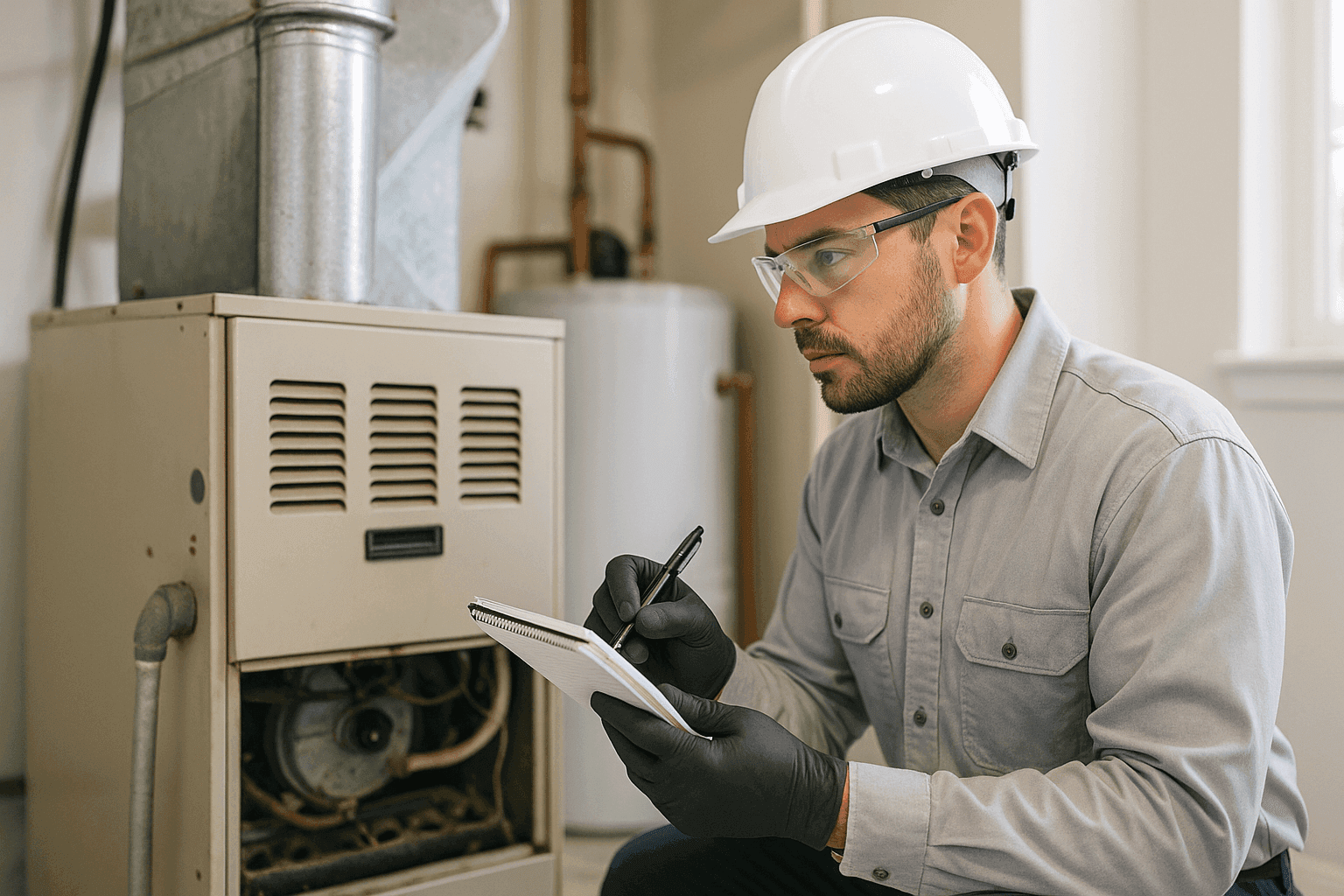
Every furnace tells a story—one about the winters it’s survived, the comfort it’s given, and the energy bills it’s racked up. But as years pass, that story can shift from warmth and reliability to questions about efficiency, rising costs, and indoor air quality.
If your furnace is the old friend you depend on each cold season, you might be wondering: When does age become a problem? Let’s break it down.
How Old Is Too Old for a Furnace? 🕰️
Furnaces don’t last forever—no matter how well you treat them. Most residential heating systems are built to work efficiently for 15–20 years. Some start showing their age even sooner.
But the magic number isn’t the same for every home or business. Climate, maintenance, and even how often you use your heating play a role. The U.S. Department of Energy notes that after about 15 years, many furnaces lose their efficiency edge and become more prone to breakdowns.
Key signs your furnace might be past its prime:
- Frequent repairs (more than once a season)
- Rising energy bills with no other explanation
- Inconsistent heat or cold spots in rooms
- Yellow burner flame (should be blue)
- Strange noises—rattles, bangs, or squeals
If your furnace can tell stories from the last century, it’s time to start paying closer attention.
Efficiency Loss Over Time
Think of your furnace like a pair of running shoes. When new, they support every step. Over time, the cushion wears down. You work harder for the same result.
As furnaces age, their internal parts—heat exchangers, burners, blowers—become less effective. Even with regular filter changes, dust and wear take a toll. According to ENERGY STAR, a 20-year-old furnace might operate at just 60% efficiency. Compare that to today’s high-efficiency models, which reach 95% or more.
Why does this matter?
- Higher fuel consumption. Older furnaces burn more gas or oil to produce the same heat.
- Longer run times. It takes longer to warm your space.
- Added stress on components. Which means more repairs.
If your heating bill keeps climbing each winter, your old furnace may be the culprit.
Cost of Keeping an Old Furnace
The true cost of an aging furnace isn’t just about the occasional repair. It’s about what you spend every month—and what you risk over time.
Let’s break it down:
- Repair bills add up. One small fix leads to another. Parts for older models can be scarce or pricey.
- Energy bills rise. Even a 10% drop in efficiency could mean hundreds of dollars each year.
- Unexpected breakdowns. The older the system, the more likely it fails when you need it most.
The National Association of Home Builders estimates the average furnace lifespan at 15–20 years. Keep it longer, and you’re likely paying more than your neighbors for less comfort.
Comfort and Air Quality Concerns
An aging furnace isn’t just about money. It can affect how your home or business feels—and even your health.
Common comfort issues:
- Uneven heating (some rooms hot, others cold)
- Constant cycling (on/off more than usual)
- Dry air, static electricity, or dust buildup
And then there’s indoor air quality. Older furnaces are less effective at filtering out dust, pollen, and other pollutants. Cracked heat exchangers can even leak carbon monoxide—a serious safety risk (see the CDC’s guidelines on carbon monoxide safety).
If you’re waking up stuffy, feeling dry, or noticing more dust, your old furnace could be the reason.
When to Upgrade
No one wants to replace a furnace before it’s necessary. But waiting too long can cost more in the end.
Clear triggers for replacement:
- Your furnace is over 15 years old and needs frequent repairs
- Heating bills have crept up year after year
- You hear strange noises or notice the furnace running more often
- The thermostat never seems to reach your set temperature
- You’re worried about carbon monoxide or air quality
If you’re facing any of these, it’s smart to talk to a professional about your options. Modern furnaces are safer, quieter, and much more efficient. And if you need Furnace Repair near me, GOGO Heating is ready to help.
Practical Tips to Get the Most from Your Furnace
Want to squeeze a few more years out of your system—or keep a new one running strong? Here’s what you can do:
- Change your filters every 1–3 months
- Schedule annual heating maintenance
- Keep air vents clear and unblocked
- Listen for new or unusual noises
- Install a programmable thermostat (search “Thermostats near you” for options)
Regular maintenance isn’t just about avoiding breakdowns. It’s about protecting your comfort and wallet.
Safety First: Quick Checklist
- Check for a blue burner flame—yellow may signal trouble
- Install carbon monoxide detectors on every floor
- Ensure nothing blocks air intakes or exhaust vents
- Keep combustible items away from the furnace
- Have a pro inspect your furnace yearly (per the National Fire Protection Association)
If you ever smell gas or suspect a leak, leave the area and call emergency services right away.
FAQ: Furnace Age & Efficiency
How do I know if my furnace is too old?
Check the manufacturer’s label for the installation date. If it’s over 15 years, start watching for warning signs—especially repairs and rising bills.
Will a new furnace really save that much energy?
Yes. ENERGY STAR-certified furnaces can be 15–20% more efficient than standard models from 15–20 years ago.
Can I improve efficiency without replacing my furnace?
Absolutely. Try annual tune-ups, sealing ductwork, and using a smart thermostat. But after a certain age, upgrades offer the biggest gains.
Local & Seasonal Considerations
Cold winters? High heating demand? Older furnaces in these conditions work even harder and wear out faster. Whether you’re managing a busy office or keeping your family cozy at home, don’t wait for a breakdown when temperatures plunge.
Remember: Reliable heating isn’t just about comfort—it’s about safety.
If your furnace’s best years are behind it, GOGO Heating is here to help you stay warm, safe, and comfortable. Whether you need furnace installation, help with maintenance, or urgent repairs, our team is ready to keep your heat running strong.
Call GOGO Heating now — or reach us anytime at 844-467-0847 .