How to Extend the Life of Your Heating System
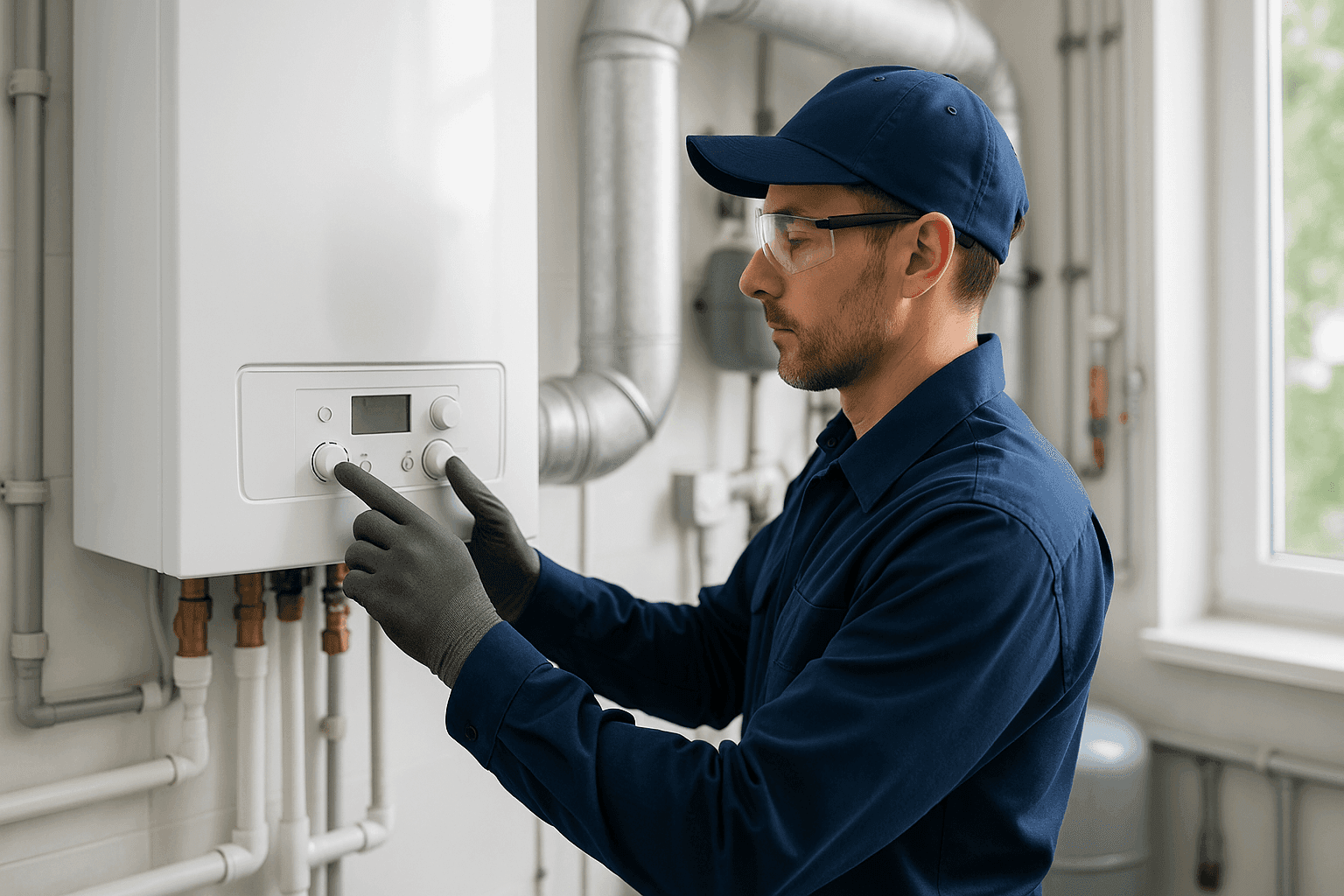
Staying warm isn’t just about comfort—it’s about reliability. No one wants their heating system to give out on the coldest day of winter, leaving the whole family or workplace bundled up indoors. At GOGO Heating, we know just how frustrating sudden repairs or replacements can be, and we’re here to help you avoid them.
The good news? With a handful of smart habits and regular checkups, you can keep your heating system running strong for years. Whether you’re a homeowner or managing a commercial space, these steps are for you.
Why Heating Systems Fail Early ❄️
Heating systems are like the heart of your home or business. When they’re ignored, problems quietly build up—until one day, the whole thing grinds to a halt. Most early failures trace back to a few common causes:
- Neglected Maintenance: Skipping routine checkups lets small issues (like dirty filters) turn into big ones.
- Improper Installation: Systems installed without attention to detail may never run efficiently.
- Overworked Equipment: Running your furnace nonstop, or cranking the thermostat way up, is like sprinting a marathon every day.
- Poor Airflow: Blocked vents, dirty ducts, or clogged filters make your system work overtime.
- Ignoring Warning Signs: Odd noises, uneven heating, or higher bills all hint at trouble brewing beneath the surface.
The U.S. Department of Energy notes that regular maintenance is the #1 way to prevent early failure. It’s not just about fixing what’s broken—it’s about stopping problems before they start.
Best Practices for Longevity 🔧
Think of your heating system like a car. With the right care, it’ll run longer, smoother, and more efficiently. Here’s how to get there:
- Schedule Professional Maintenance Yearly: Don’t wait for something to break. An annual tune-up keeps everything humming.
- Change Filters Regularly: Whether you use basic fiberglass or high-efficiency filters, swap them out as recommended—usually every 1–3 months. A clean filter means your system can breathe.
- Keep Registers and Vents Clear: Don’t let furniture, curtains, or dust block the airflow.
- Monitor Your Thermostat: Use programmable thermostats to avoid constant temperature swings that stress the system.
- Inspect for Leaks: Check around the furnace, ducts, and pipes for any signs of water or air leakage.
- Listen for Unusual Sounds: Clanks, bangs, or whistles usually mean it’s time for a checkup.
If you’re not sure how often to change your filter or what type fits best, our filters service page has helpful guidance.
Preventative Maintenance Checklist
A little prevention goes a long way. Use this checklist as your seasonal guide:
- Replace or clean filters (monthly in winter, at least quarterly otherwise)
- Wipe down air vents and registers
- Check thermostat settings and batteries
- Inspect visible wiring for signs of wear
- Clear debris from around your furnace or heat pump
- Test carbon monoxide detectors (especially with gas systems)
- Make sure nothing’s blocking the intake or exhaust vents
- Schedule a professional inspection before the heating season
For commercial systems or larger homes, consider a more robust plan—pairing regular checkups with periodic HVAC maintenance ensures no detail gets missed.
Upgrade Options to Consider 🌟
Sometimes, small upgrades pack a big punch—saving money now and headaches later.
- Programmable Thermostats: Set schedules for comfort and efficiency. Look for models compatible with your system—search terms like "Thermostats near you" can help.
- High-Efficiency Filters: These trap more dust, pollen, and allergens, boosting both air quality and system longevity.
- Air Scrubbers & Purifiers: Remove contaminants before they collect in your ducts and furnace.
- Zoning Systems: Control temperatures in different parts of your home or building for balanced comfort.
- Variable-Speed Blowers: These adjust to your needs, cutting down on wasted energy and reducing wear.
If your system is more than 15 years old, talk to a pro about your options. Technology changes fast, and new equipment can mean big savings in both energy and maintenance.
When to Replace vs. Repair 🔄
Every system reaches a crossroads. Should you repair that old furnace again—or is it finally time for a new one? Here’s how to decide:
Signs It’s Time to Replace
- Your system is 15–20 years old or more
- Repairs are becoming more frequent (more than once a season)
- Heating bills are rising without explanation
- Uneven heating—cold spots in some rooms, hot in others
- Safety issues—like carbon monoxide alerts or cracked heat exchangers
When a Repair Makes Sense
- The issue is minor (like a faulty thermostat or worn belt)
- The system is under 10 years old and otherwise reliable
- Repairs cost less than a third of replacement
The EPA and Energy Star both recommend considering replacement once repairs add up to half the cost of a new unit, or if you’re seeing safety concerns.
Want local advice? See Heating Maintenance in Juneau for more on seasonal needs and replacement timing.
Preventative Maintenance Checklist
Keep this list handy for every season:
- Replace filters regularly
- Inspect thermostat function
- Listen for unusual noises
- Check for leaks and corrosion
- Test carbon monoxide alarms
- Clear area around units
- Schedule annual service
Frequently Asked Questions
How often should I schedule heating maintenance?
For most systems, once a year is the gold standard. Older equipment or heavy commercial use may need more frequent checkups.
Are high-efficiency filters worth it?
Absolutely—especially if you have allergies, pets, or live in a dusty area. They keep your air cleaner and reduce strain on your system.
Can I do maintenance myself?
Some tasks (like changing filters or dusting vents) are perfect DIY projects. But for in-depth work—like checking gas lines or calibrating controls—call a pro.
What’s the biggest mistake homeowners make?
Ignoring early warning signs. If your system sounds different, heats unevenly, or your bills spike, don’t wait.
Local and Seasonal Considerations 🌦️
In cold climates, like Alaska, heating systems work overtime through long winters. That makes pre-season checkups and regular filter changes even more important. If you use radiant heating, geothermal, or whole-house fans, be sure to ask about their specific needs—no two systems are exactly alike.
Humidity swings can also impact performance. Consider humidifiers or dehumidifiers to balance comfort and protect your heating investment year-round.
Ready to Give Your Heating System a Longer Life?
Don’t leave comfort to chance. Routine maintenance and smart upgrades keep your system running safely and efficiently—saving you money and worry for the long haul.
Call GOGO Heating now — or reach us anytime at 844-467-0847 .