Commercial Heating Maintenance: Best Practices for Business Owners
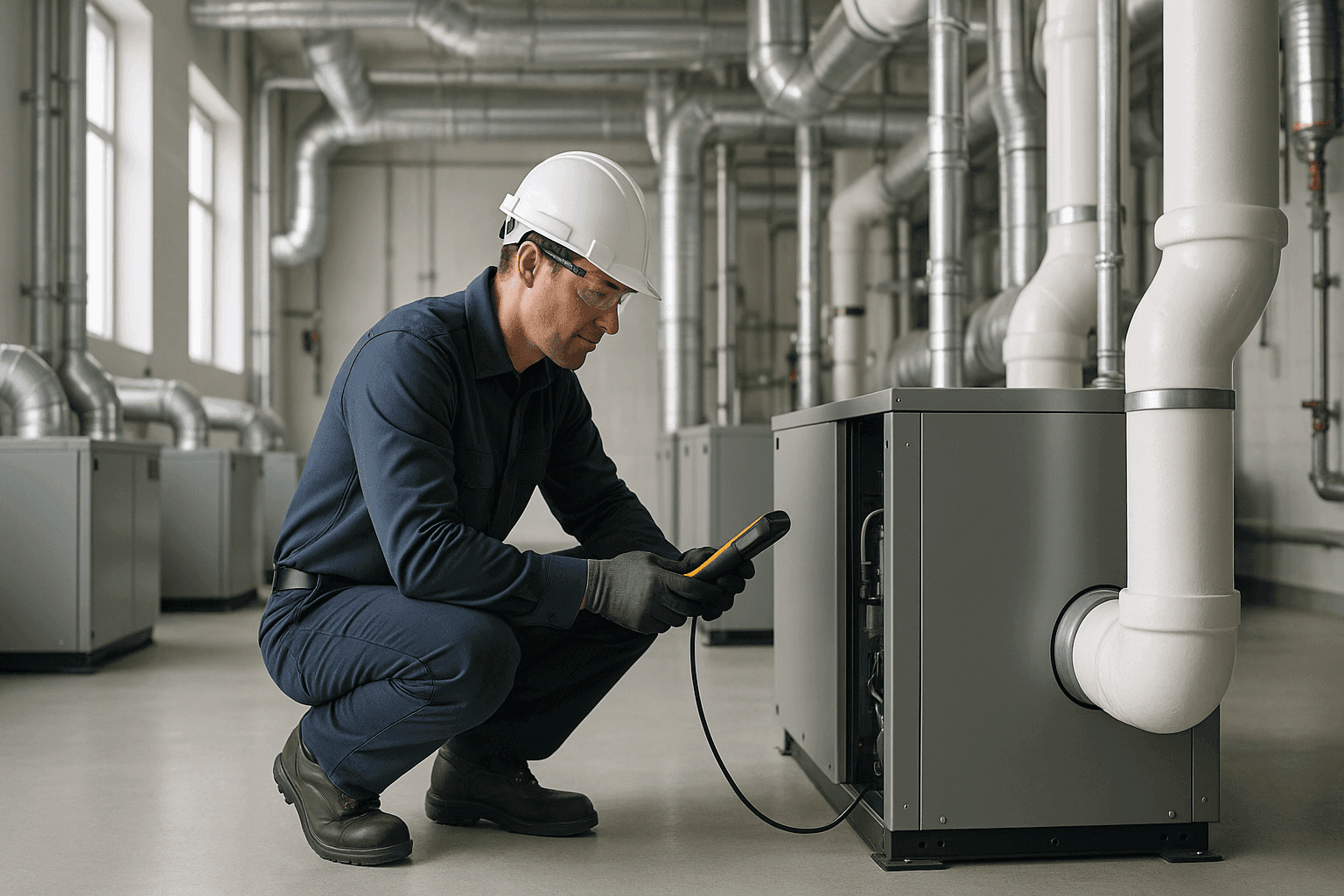
When the temperature drops, your business can’t afford a chilly surprise. A sudden heating failure means more than discomfort—it can stall your operations, frustrate your staff, and even threaten safety. At GOGO Heating, we know that keeping your commercial heating system in peak condition isn’t just about comfort. It’s about protecting your investment and your people.
Routine heating maintenance is the backbone of reliable indoor environments. Whether you manage a bustling retail store or a busy office complex, understanding the essentials of commercial heating care can save you time, money, and headaches down the line.
Why Heating Maintenance Is Critical for Businesses 🔧
Think of your commercial heating system like the engine of a delivery truck. Ignore the oil changes, and eventually, it sputters to a halt—usually at the worst possible moment. Regular maintenance for your heating system works the same way.
Here’s why it matters:
- Business Continuity: A well-maintained system is less likely to break down during business hours, keeping operations smooth and customers comfortable.
- Energy Efficiency: Dirty filters and neglected components force your system to work harder, spiking utility bills and draining your budget.
- Air Quality: Clean filters and ductwork mean healthier air for staff and visitors, reducing sick days and boosting morale.
- Fire Prevention and Safety: Faulty heaters are a leading cause of commercial fires—regular checks keep hazards in check (see National Fire Protection Association guidelines).
- Code Compliance: Local safety codes often require documented maintenance for commercial heating and ventilation systems.
In short, proactive care isn’t optional—it’s essential.
Commercial Maintenance Checklist 🗂️
A solid maintenance routine doesn’t have to be complicated, but it needs to be consistent. Here’s a straightforward checklist business owners can follow:
- Thermostats: Test for accuracy and responsiveness. Replace old units with programmable models for better control.
- Air Filters: Inspect and replace filters every 1–3 months. Clogged filters strain your system and pollute indoor air. Learn about our filter services.
- Ductwork: Check for leaks, dust buildup, and blockages. Schedule professional duct cleaning as needed.
- Belts & Motors: Listen for unusual noises. Loose belts and worn motors can lead to system failure.
- Burners & Heat Exchangers: Inspect for cracks, corrosion, and proper ignition.
- Condensate Drain Lines: Ensure lines are clear to prevent water damage and mold.
- Safety Controls: Test emergency shutoff switches, carbon monoxide detectors, and fire suppression systems.
- Records: Keep maintenance logs for compliance and warranty protection.
Following these steps helps spot small issues before they become costly disruptions.
How to Prevent Downtime
An unexpected heating outage can feel like a flat tire during rush hour. The key to prevention is staying ahead of problems:
- Schedule Seasonal Checkups: Arrange professional inspections before peak heating season. This catches issues early, on your schedule.
- Monitor System Performance: If temperatures fluctuate or your energy bills rise suddenly, something’s off. Don’t ignore the signs.
- Train Your Team: Teach staff how to recognize warning signs—like strange odors, noises, or uneven heating—and report them promptly.
- Upgrade Outdated Equipment: Older systems are more prone to breakdowns. Consider an energy audit to identify cost-saving upgrades.
For more help, explore our heating maintenance services tailored for commercial needs.
Compliance and Safety Considerations ⚠️
Safety isn’t just a box to check—it’s a shield for your business, employees, and customers. Here’s what every business owner should keep in mind:
- Know Your Codes: Local and national codes (like the International Mechanical Code and OSHA guidelines) set minimum standards for workplace heating and ventilation. Noncompliance can result in fines or legal trouble.
- Document Everything: Keep records of every inspection, repair, and filter change. These logs are often required for insurance and code compliance.
- Test Regularly: Emergency shutoffs, fire alarms, and carbon monoxide detectors must be tested and documented according to manufacturer and regulatory schedules.
- Protect Air Quality: Poorly maintained heating systems can leak carbon monoxide or circulate contaminants. IAQ (Indoor Air Quality) testing helps identify hidden risks.
Stay proactive, not reactive—safety lapses can be costly in more ways than one.
When to Hire a Pro
Some tasks are safe for building staff—like checking thermostats or swapping easy-access filters. But for most heating system maintenance, it pays to bring in a qualified technician.
Call a professional when:
- The system needs internal cleaning or component replacement.
- There’s an unusual smell (like burning or gas).
- The pilot light won’t stay lit, or you see soot buildup.
- You’re experiencing frequent cycling or loud noises.
- Compliance inspections or certifications are due.
- Your system is more than 10 years old and showing signs of wear.
A trained professional has the tools, experience, and safety know-how to handle complex repairs and keep your business compliant with all codes.
Looking for Heating Maintenance near me in Greenville, South Carolina? Heating Maintenance near me in Greenville, South Carolina
Practical Tips for Everyday Heating Care
Even if you rely on annual service visits, simple habits can make a big difference:
- Keep vents and radiators unblocked by furniture or equipment.
- Don’t ignore drafts—seal gaps around doors and windows.
- Use programmable thermostats to avoid overheating empty spaces.
- Change filters on schedule, not just when they look dirty.
- Don’t skip regular walkthroughs, especially before the coldest months.
Consistent small steps protect your system and your bottom line.
Frequently Asked Questions
How often should I have my commercial heating system inspected?
Most manufacturers and safety agencies recommend at least once a year, ideally before the heating season begins. High-traffic or critical environments may need more frequent checks.
Can my staff handle basic maintenance?
Yes—tasks like replacing filters and checking thermostats are usually safe for staff. Anything involving internal components, gas, or electrical work should be reserved for licensed professionals.
What records do I need for compliance?
Keep logs of all inspections, repairs, filter changes, and any code-required tests (like carbon monoxide detectors or fire suppression systems). These documents are crucial for insurance and legal compliance.
What are signs my system needs immediate attention?
Unusual noises, constant cycling, uneven heating, strange odors, or visible soot are all red flags. Don’t delay—call a qualified technician.
Local and Seasonal Considerations 🌬️
Commercial heating systems in the Southeast face unique challenges: mild winters, high humidity, and pollen can all affect system performance. In Greenville, seasonal shifts mean you should schedule maintenance before the first cold snap, and pay special attention to indoor air quality during allergy season.
If you’re searching for “Thermostats near you” or reliable local HVAC pros, GOGO Heating is ready to help. Our team brings years of hands-on experience, and we stay current with the latest safety standards and technologies.
When it comes to your business heating, don’t leave comfort—or safety—to chance. Proper maintenance saves money, reduces risk, and keeps your workplace running smoothly. Need help or have questions?
Call GOGO Heating now — or reach us anytime at 844-467-0847 .