How to Choose the Right Commercial HVAC System
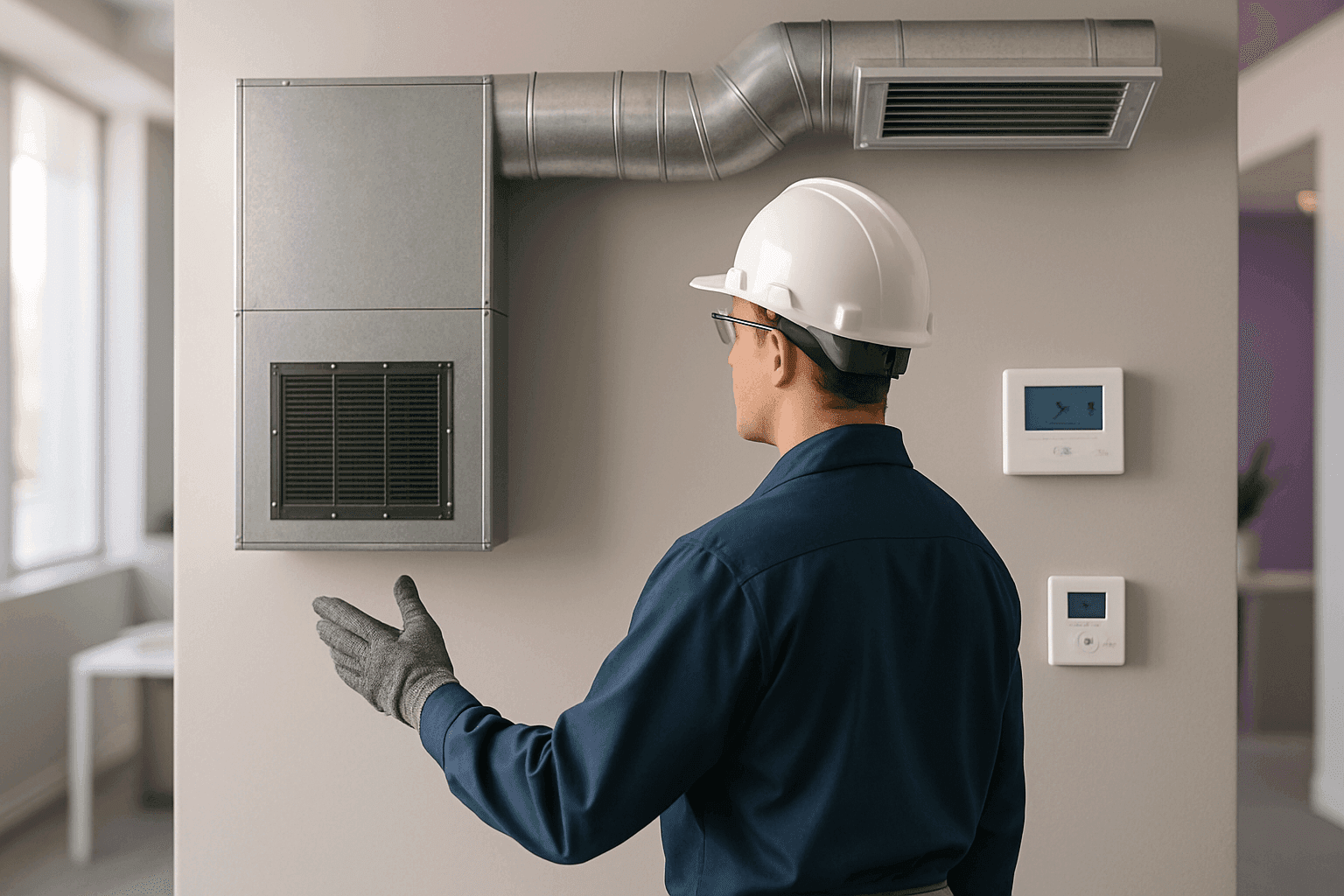
Choosing the right commercial HVAC system isn’t just about beating the summer heat or chasing away the winter chill. It’s about making smart decisions that affect your building’s comfort, energy costs, and even the health of everyone inside. At GOGO Heating, we help business owners and property managers find solutions that last—without the guesswork.
Whether you’ve managed properties for years or you’re new to commercial heating and cooling, you want a system that fits your needs now and grows with you. Let’s break down the crucial factors so you can move forward with confidence.
Why Commercial HVAC Selection Matters 🏢
Imagine your HVAC system as the heart of your building. If the heart isn’t sized right or working efficiently, everything else can feel off. Employees might complain about temperature swings. Customers could notice poor air quality. Energy bills might creep higher each month.
A well-chosen system impacts:
- Indoor comfort for staff and visitors
- Monthly utility costs
- Maintenance needs and system lifespan
- Compliance with current building codes and safety standards (like those set by ASHRAE and local authorities)
Cutting corners or rushing the choice can lead to years of frustration—and serious expenses. That’s why every decision, from thermostats to ductwork, deserves careful attention.
Key Decision Factors
Selecting a commercial HVAC system can feel like navigating a maze. Here are the key factors to map out before signing any contract:
1. Type of Building
Different spaces need different solutions. A single-story retail shop has different airflow and heating needs than a multi-floor office or a warehouse with loading bays.
- Consider building size, layout, and occupancy patterns.
- Think about how space is used: Are there hot spots (like kitchens) or areas that stay empty?
2. System Types
Options range from traditional rooftop units to geothermal, split systems, or variable refrigerant flow (VRF) setups. Each has pros and cons.
- Rooftop units: Good for saving indoor space, easy to service.
- Split systems: Offer flexibility for zones or renovations.
- Geothermal: Higher upfront cost, lower long-term energy bills.
- VRF: Fine-tuned control for buildings with many zones.
3. Local Climate
Is your area more prone to freezing winters or blistering summers? The right system should handle extremes without breaking a sweat—or the budget.
4. Future Upgrades and Expansion
Growth is good for business, but it can strain an undersized system. Plan ahead for possible additions to the building or changes in occupancy.
5. Indoor Air Quality (IAQ)
Modern HVAC systems do more than heat and cool. With options like air scrubbers, dehumidifiers, and IAQ testing, you can control allergens, dust, and humidity.
Sizing and Configuration Tips
Getting the right fit is everything. Imagine wearing shoes two sizes too small—uncomfortable and inefficient. HVAC sizing is similar. Too small, and it’ll run constantly. Too large, and you’ll waste energy and face uneven temperatures.
How experts approach sizing:
- Load calculations: Contractors use tools like Manual J and N (from ACCA) to assess your building's heating and cooling load.
- Air balancing: Properly distributing airflow ensures every corner of your building stays comfortable. Learn more about air balancing.
- Ductwork design: Custom sheet metal work keeps air moving efficiently, minimizing leaks and hot/cold spots.
- Zoning: Installing thermostats near you—especially in large or multi-use buildings—lets you control different sections independently.
Pro Tip: Never guess at HVAC sizing. Rely on certified calculations for code compliance and comfort.
Efficiency and Maintenance Features ⚡
Energy efficiency isn’t just a buzzword—it’s money back in your pocket month after month. Look for:
- High SEER/EER Ratings: These numbers measure efficiency. The higher, the better for operating costs.
- ENERGY STAR® Certification: Indicates the system meets strict efficiency criteria.
- Smart Thermostats: Allow remote control and scheduling, helping prevent waste.
- Easy-access Filters and Components: Simplifies routine maintenance and keeps air quality high.
- Preventive Maintenance Plans: Scheduled checks can extend system life and catch issues early.
Routine HVAC maintenance keeps your investment running smoothly for years.
Building Codes and Safety Guidelines
Don’t overlook local codes. These rules—set by authorities like the International Mechanical Code (IMC) and ASHRAE—dictate everything from equipment placement to ventilation rates. An improperly installed system can create safety hazards and expensive rework.
Always check:
- Minimum fresh air requirements
- Fire safety clearances
- Noise and vibration limits
- Permitting and inspection procedures
Installation and Upgrade Timeline
Most commercial HVAC installations take several days to a few weeks, depending on:
- System size and complexity
- Modifications to existing ductwork or controls
- Weather or access challenges
A realistic timeline helps minimize business disruption and sets clear expectations.
Cost Considerations
Costs vary widely, but keep these factors in mind:
- Equipment and materials: Higher efficiency often means higher upfront costs, but lower operating expenses.
- Labor: Skilled technicians ensure safety and reliability.
- Ongoing maintenance: Budget for regular filter changes, inspections, and cleaning.
Invest in quality over the quick fix. It pays off in reliability and long-term savings.
When to Call a Professional
Some things are best left to pros. If you notice:
- Uneven temperatures or poor airflow
- Odd smells or noises from vents
- Rising energy bills with no explanation
It’s time for an expert assessment. Commercial HVAC systems are complex, and small issues can snowball into costly repairs if ignored.
Frequently Asked Questions
Q: How often should commercial HVAC systems be maintained?
A: Most experts recommend seasonal tune-ups—twice a year—to catch issues before they become emergencies.
Q: Can I upgrade just part of my system?
A: Sometimes. Upgrades like smart thermostats or improved filters can boost performance, but larger changes may call for a full system evaluation.
Q: What’s the difference between residential and commercial systems?
A: Commercial systems are designed for larger spaces and tougher demands. They often use different components and need specialized installation and maintenance.
Q: How do I make sure my system meets local codes?
A: Work with licensed HVAC contractors who follow the latest IMC, ASHRAE, and EPA guidelines.
Local and Seasonal Considerations
Requirements can shift with the seasons. For instance, heating systems in colder climates need to handle deep freezes, while buildings in milder areas might prioritize humidity control or ventilation.
If you’re managing properties in northern Colorado, see our dedicated page: HVAC Installation for Greeley, Colorado.
A reliable HVAC system is a foundation for comfort, productivity, and peace of mind. If you’re ready to discuss options—or just have questions about heating, thermostats near you, or energy-saving upgrades—reach out to GOGO Heating.
Call GOGO Heating now — or reach us anytime at 844-467-0847 .