Air Scrubbers vs. Filters: Which Is Best for Clean Air?
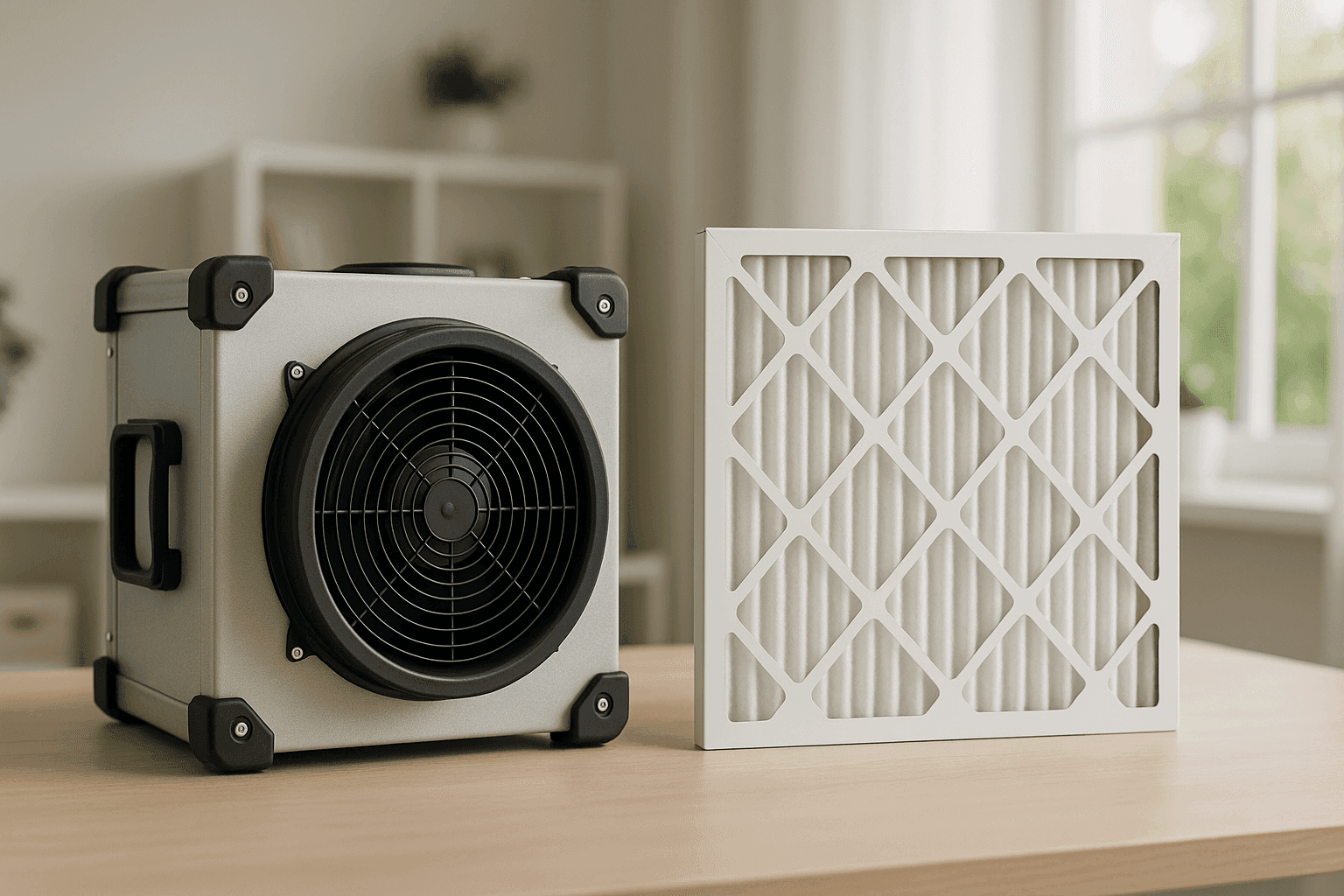
Is the air in your home or business really as clean as it could be? If you’ve ever walked into a room and felt your nose tickle or your eyes water, you already know how sneaky indoor air pollution can be. At GOGO Heating, we hear from folks every day who want a real fix—not just a quick band-aid—for stuffy, dusty, or allergy-triggering indoor air.
Maybe you’ve heard about air scrubbers. Maybe you’re relying on traditional filters. But when it comes to breathing easy indoors, which choice actually makes life better? Let’s break it down with honesty, clear comparisons, and the kind of practical tips you can use right away.
What Are Air Scrubbers? 🌱
Think of an air scrubber as a proactive cleaning crew for your air. Unlike regular filters that just catch dust and debris as air passes by, an air scrubber actively seeks out and neutralizes contaminants floating in your home or office.
Air scrubbers are usually installed as part of your heating and cooling system—right inside your ductwork. They use technologies like UV light, ionization, or special catalytic materials to break down things like:
- Mold spores
- Bacteria and viruses
- Odors from pets or cooking
- Volatile organic compounds (VOCs)
Here’s the big idea: instead of waiting for pollutants to land on a filter, an air scrubber attacks them in the air and on surfaces. It’s like having a mini cleaning tornado cycling through your ductwork, making your space fresher and healthier.
How Do Filters Work? 🧹
Filters are the old reliable of indoor air quality. They work like a sieve, trapping dust, pollen, pet hair, and even some smaller particles as air moves through your HVAC system. There are many types:
- Fiberglass filters: Cheap, basic protection mostly for dust.
- Pleated filters: Thicker, better at catching fine particles like pollen and dander.
- HEPA filters: Gold-standard for capturing tiny particles, though not always compatible with every system.
The main job of a filter is to protect your heating and cooling equipment from dust buildup and to stop the worst allergens from circulating. But filters are passive—they only capture what’s blown through them.
Pros and Cons of Each
Let’s break it down without the fluff. Here’s what you need to know about the ups and downs of air scrubbers vs. filters.
Air Scrubbers
Pros:
- Attacks germs, bacteria, and odors, not just dust.
- Can help reduce the spread of airborne viruses.
- Cleans both air and surfaces in your space.
- Low maintenance—just occasional check-ins.
Cons:
- Higher initial investment.
- Needs professional installation.
- Some technologies (like ozone generators) aren’t recommended for homes—always check for safety certifications (see EPA guidance).
Filters
Pros:
- Simple, affordable, and easy to replace.
- Essential for trapping dust and allergens.
- Wide range of options for various needs and budgets.
Cons:
- Only works when air passes through.
- Must be replaced regularly—clogged filters lower efficiency.
- Won’t kill germs or remove odors.
- HEPA filters may not fit every HVAC system.
No single solution is “perfect.” The best choice depends on your goals, your building, and the specific air challenges you face.
Which Should You Choose?
Picture your home or business. What’s in the air?
- Allergies a big issue? Filters—especially HEPA or high-MERV—are a must.
- Worried about germs or lingering smells? Air scrubbers can tackle what filters leave behind.
- Older building, or lots of foot traffic? A combination of both might be needed.
For most families, upgrading to a higher-quality filter is a great first step. But if you want to go further—especially in offices, clinics, or homes with immune-compromised folks—an air scrubber offers an extra layer of defense.
If you’re still unsure, our Indoor Air Quality Testing service can pinpoint exactly what’s floating around and recommend the right mix for you.
Maintenance and Cost Considerations 💡
You wouldn’t drive your car without changing the oil. Clean air equipment needs attention, too.
For Filters:
- Change every 1–3 months (more often with pets, smokers, or construction nearby).
- Buy the right size and MERV rating for your system.
- A clogged filter makes your heating system work harder and wastes energy.
For Air Scrubbers:
- Most need a yearly check-up (lamp or cell replacement if UV/ionizer).
- Professional installation is a must—wrong placement can reduce effectiveness.
- Upfront cost is higher, but ongoing maintenance is lower.
Bottom Line:
- Filters are low-cost but higher-maintenance.
- Air scrubbers cost more up front but need less frequent attention.
Practical Tips to Boost Indoor Air Quality
- Always check that your HVAC system can handle higher-efficiency filters before upgrading.
- Schedule regular HVAC Maintenance to keep everything running smoothly.
- Use a mix of filtration and active air cleaning for best results—especially in high-traffic or high-risk environments.
- Review safety certifications on any air scrubber (look for UL, CARB, or equivalent as recommended by the EPA).
- Consider a Farragut, Tennessee Air Scrubbers installation if you’re local and need extra protection.
Real-World Scenarios
- Home with allergies: Start with a high-MERV filter. Add an air scrubber if symptoms persist.
- Office after a renovation: Air scrubber can quickly clear dust, odors, and VOCs.
- Schools or clinics: Dual approach—filters for particles, scrubbers for germs.
- Pet owners: Frequent filter changes are a must; air scrubber helps with odors.
Maintenance and Replacement: What the Pros Recommend
- Check filters monthly. Replace at least every season.
- Have your air scrubber inspected annually by a licensed heating professional.
- Don’t ignore strange smells, noises, or sudden allergy flare-ups—these can signal a problem in your system.
- Follow manufacturer and EPA guidelines for all air cleaning devices.
Cost Ranges
- Filters: $5–$50 per filter, depending on quality and size.
- Air Scrubbers: $500–$2,500 installed, depending on technology and system size.
- Maintenance: Filter changes are frequent and low-cost; air scrubber service is yearly and moderate.
Remember: investing in clean air is about health, not just comfort. The right balance means fewer sick days, better focus at work, and peace of mind at home.
FAQ
Do air scrubbers produce ozone?
Not all do—but some older or cheaper models can. Always select units certified as ozone-safe per EPA and CARB standards.
Can I install a HEPA filter in any HVAC system?
Not always. Some systems can’t handle the airflow resistance. Always check with a licensed heating service before upgrading.
Will a filter remove cooking smells?
Only partly. Filters trap particles, but odors are best handled by air scrubbers or increased ventilation.
How do I know if my air is clean enough?
Consider professional Indoor Air Quality Testing for peace of mind and science-backed answers.
Local & Seasonal Considerations
During pollen season, filters clog faster. Winter brings more time indoors, so both filtration and active air cleaning matter even more. If you’re in an area prone to wildfires or heavy construction, a dual approach is crucial.
For local support and tailored advice, our GOGO Heating team can design a plan for your exact needs.
Ready to breathe easier? Call GOGO Heating now — or reach us anytime at 844-467-0847 .