How Air Scrubbers Remove Allergens and Odors
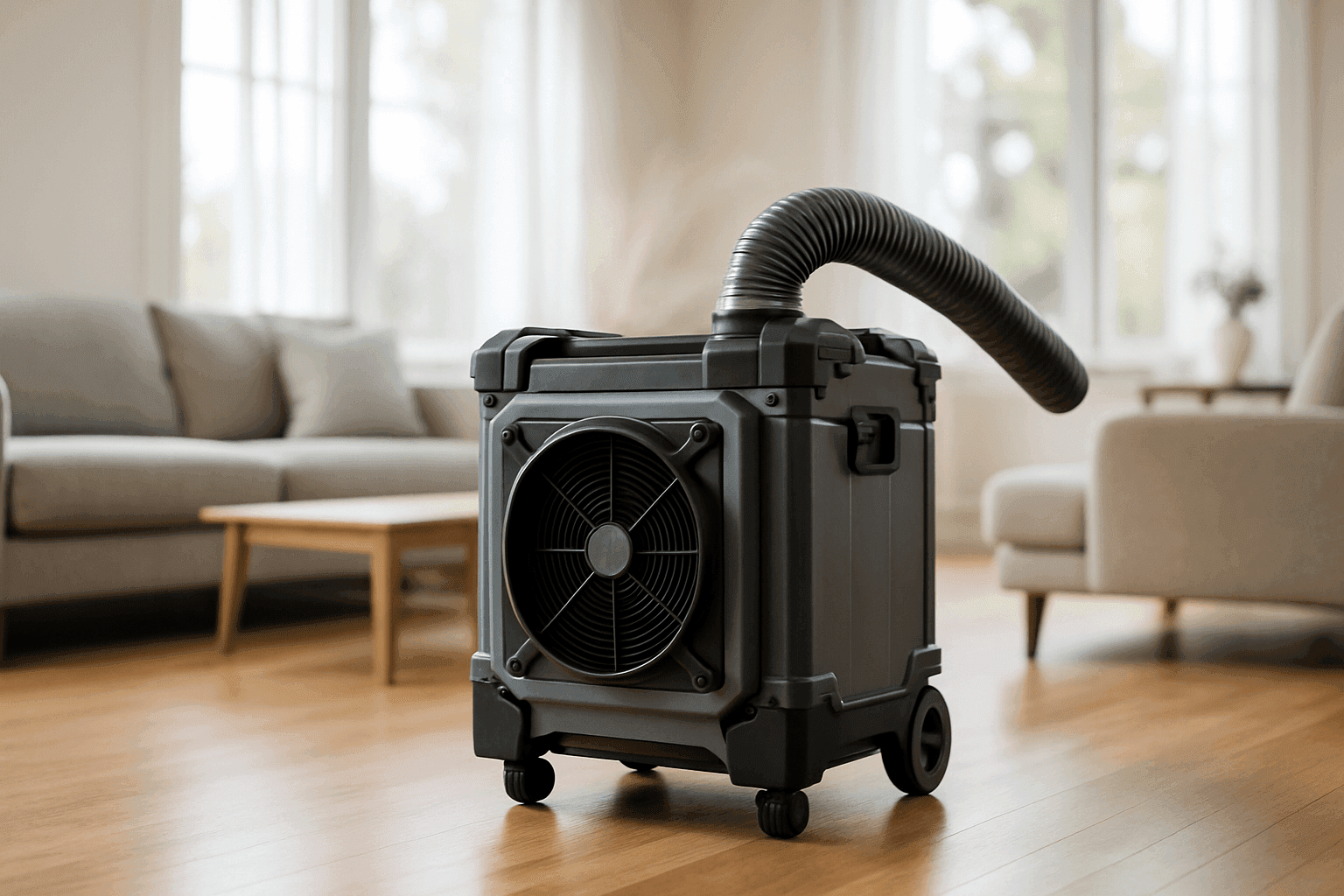
Breathe in. Do you notice a tickle in your nose or a lingering musty smell? You’re not alone. Many homes and businesses wrestle with airborne allergens and stubborn odors, especially during peak heating or cooling seasons. As indoor air quality becomes a bigger priority, more people are looking for real solutions that go beyond basic filters.
At GOGO Heating, we understand how frustrating it is when your air doesn’t feel fresh—no matter how often you clean. If you’ve tried everything, it might be time to give your lungs a break with proven technology: the air scrubber.
What Is an Air Scrubber? 🌱
Picture this: your indoor air is a busy highway. Dust, pollen, pet dander, and odor molecules zoom around, colliding with every breath you take. An air scrubber acts like a sophisticated toll booth, pulling in dirty air and letting only the clean, refreshed air pass through.
Air scrubbers are advanced devices installed directly into your HVAC system. Unlike standalone air purifiers, they treat the air circulating throughout your entire space—every room, every vent. These systems harness a mix of filters, UV or photocatalytic technology, and sometimes even ions to neutralize pollutants and break down odor-causing particles at the molecular level.
According to the U.S. Environmental Protection Agency (EPA), improving indoor air quality can reduce allergy symptoms, asthma triggers, and the overall burden of indoor air pollution.
How Air Scrubbers Remove Allergens and Odors
Allergens and odors are sneaky. They’re microscopic, persistent, and often immune to ordinary cleaning. Here’s how air scrubbers rise to the challenge:
- Particle Capture: Like a high-powered magnet, scrubbers pull particles out of the air—dust, pollen, dander, and even some bacteria.
- Odor Neutralization: Special filters and catalytic cells break down odor molecules. Whether it’s last night’s dinner or pet smells, scrubbers target the source.
- Active Cleaning: Some units release charged ions or use UV light. These “seek and destroy” agents latch onto airborne pollutants, breaking them apart so your air feels lighter and smells cleaner.
- Whole-Space Coverage: Installed in your HVAC, scrubbers don’t just clean a single room—they refresh the entire building every time the system runs.
Imagine your air as a flowing river. A filter is a net, catching some debris as it floats by. An air scrubber is a river-cleaning crew, constantly patrolling and breaking down contaminants before they can settle.
Key Benefits for Homes and Offices
Adding an air scrubber isn’t just an upgrade—it’s a lifestyle improvement. Here’s what you can expect for your family, employees, or customers:
- Fewer Allergies: Cut down on dust mites, pollen, and pet dander. Great for anyone with allergies or asthma.
- Odor-Free Living: Say goodbye to lingering cooking smells, smoke, or musty odors.
- Healthier Breathing: Cleaner air supports better sleep, productivity, and overall wellness.
- Protection for HVAC: By removing airborne particles, you help extend the life of your system, reducing breakdowns and heating repair needs.
- Low Noise, High Impact: Once installed, most air scrubbers operate quietly in the background—no loud fans or constant maintenance.
Commercial spaces also see fewer employee sick days and improved customer satisfaction. Cleaner air means a stronger first impression.
Ready to take charge of your air? Learn more about air scrubbers and indoor air quality solutions.
Maintenance Needs
Air scrubbers are built for convenience. But like any part of your HVAC system, they need a little TLC to keep working their magic:
- Filter Replacement: Change filters as recommended by the manufacturer—usually every 3 to 6 months.
- Annual Inspection: Schedule yearly checkups with a certified HVAC technician. They’ll check the scrubber’s internal components, clean sensitive parts, and ensure everything is running safely.
- Watch for Alerts: Some advanced models have indicator lights or alarms. Don’t ignore these—they’re telling you when service is needed.
Think of maintenance like changing oil in your car. A small effort now means smooth operation and fewer surprises down the road. If you’re already on a HVAC maintenance plan, ask if air scrubber service can be included.
When to Consider Adding an Air Scrubber 🏠
Not sure if an air scrubber is right for you? You might benefit if:
- Allergy symptoms spike indoors, no matter the season.
- Odors linger even after cleaning or airing out your space.
- You have pets, frequent visitors, or run a business with lots of foot traffic.
- Your building has older ductwork, or you’re concerned about mold or dust buildup.
- You want better protection for your HVAC system and filters.
If your home or office fits any of these, it’s worth a conversation. For residents and businesses seeking "Thermostats near you," air scrubbers add another layer of comfort and control.
Looking for local help? See options for Air Scrubbers in Westbrook.
Practical Tips for Cleaner Air
- Ventilate: Open windows occasionally, weather permitting, to let in fresh air.
- Change Filters: Don’t forget your HVAC filters—replace them regularly.
- Control Humidity: Keep indoor humidity between 30–50% to discourage mold and dust mites.
- Regular Cleaning: Vacuum with a HEPA filter and dust surfaces weekly.
- Schedule Professional Testing: Indoor Air Quality (IAQ) testing can pinpoint hidden problems.
The American Society of Heating, Refrigerating and Air-Conditioning Engineers (ASHRAE) recommends pairing air cleaning devices with good ventilation and source control for best results.
FAQ
How fast do air scrubbers work?
Most air scrubbers begin reducing particles and odors within hours of installation. Full results depend on system size, pollutant levels, and HVAC run time.
Are air scrubbers safe for kids and pets?
Yes. Modern air scrubbers are designed and tested for household safety. Always choose a device certified by reputable organizations like UL or ETL.
Do I still need filters if I install an air scrubber?
Absolutely. Filters are your first line of defense. Air scrubbers complement—not replace—your regular HVAC filters.
Can air scrubbers help with viruses?
Some models use UV-C or other technologies shown to reduce certain airborne pathogens, but no device guarantees 100% virus removal. Always follow CDC and local guidelines for hygiene and ventilation.
When to Call GOGO Heating
If you’re tired of fighting dust, odors, or allergy flare-ups, it’s time to consider a permanent fix. Our experienced team can assess your needs and recommend the right air scrubber for your space. For homes and offices, healthy air is more than a luxury—it’s a necessity.
Call GOGO Heating now — or reach us anytime at 844-467-0847 .